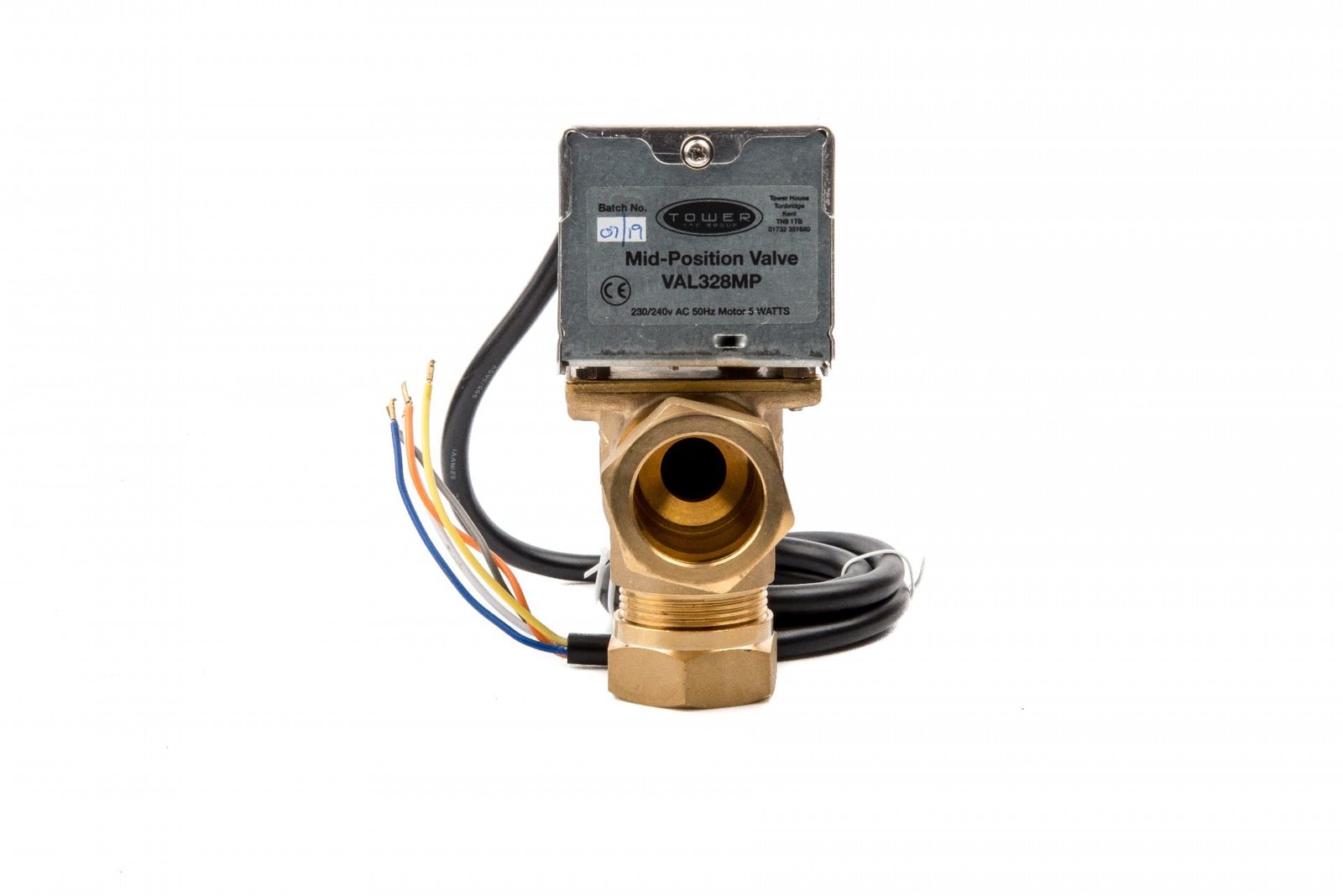
Description
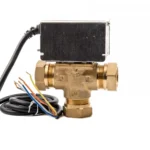
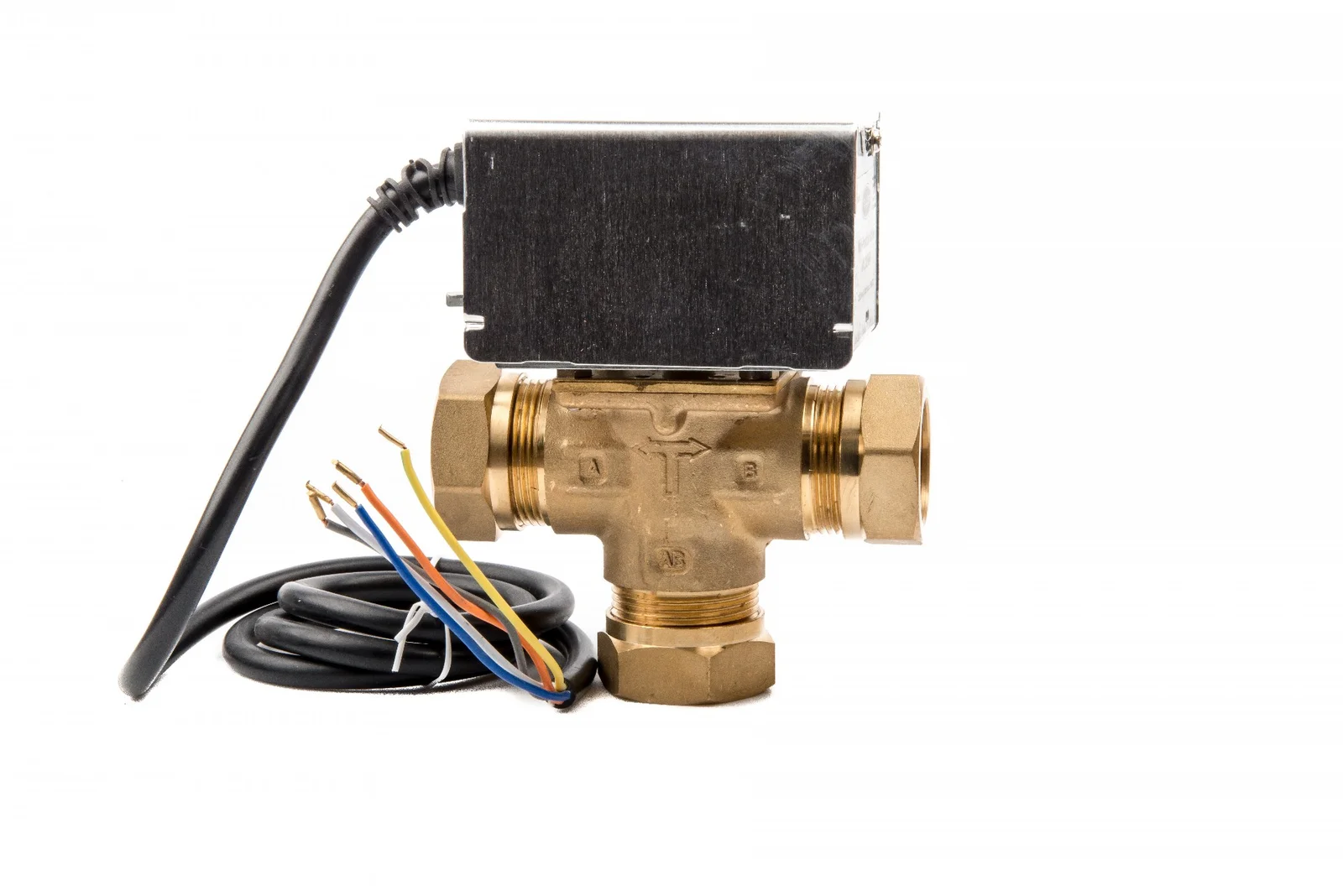
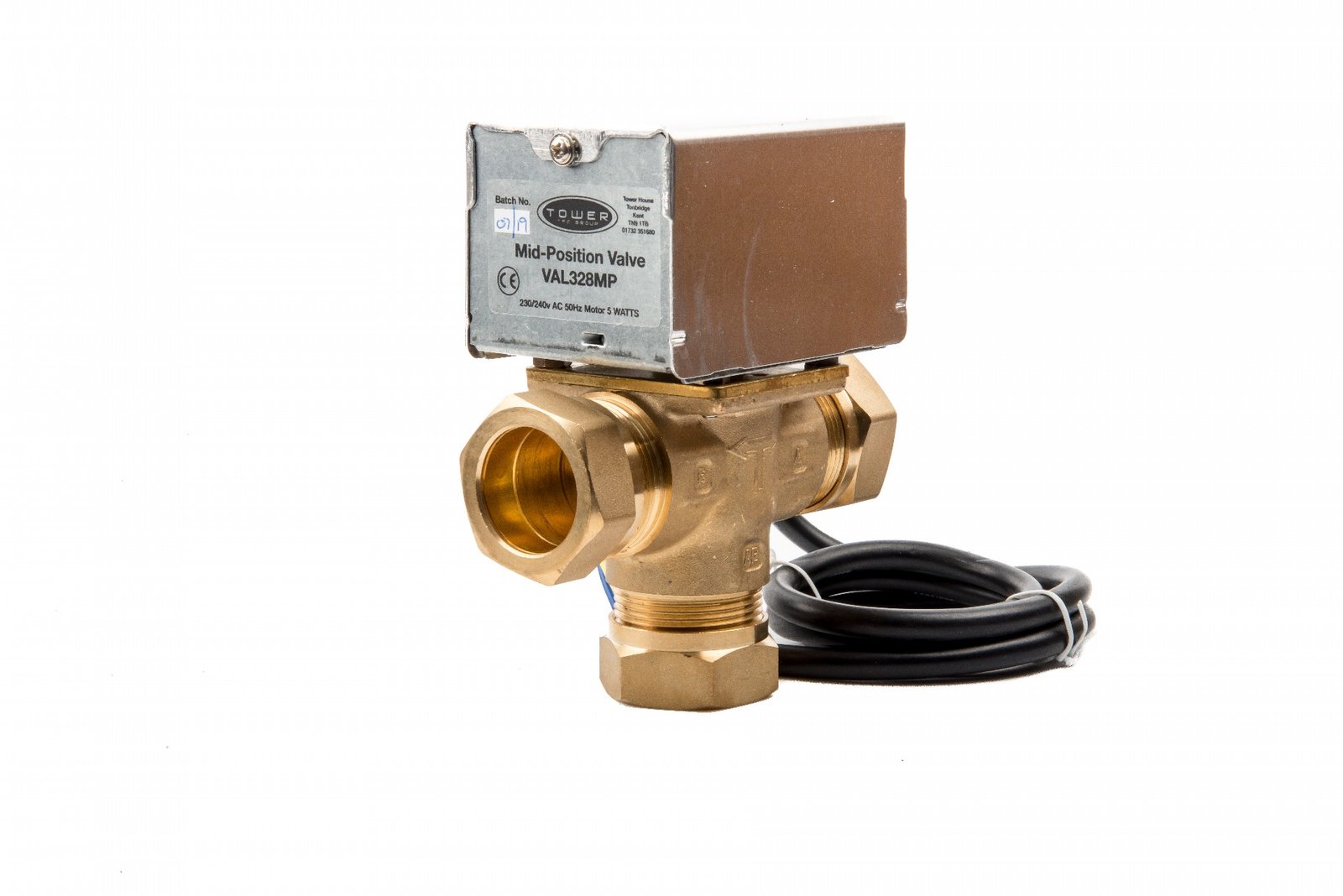
This is a three‑port mid‑position motorised valve intended for domestic, fully pumped central‑heating systems. It uses a spring‑return synchronous motor (replaceable actuator) to direct flow from the boiler either to the hot‑water circuit, the heating circuit, or to a mid (both) position when hot water and heating are required at the same time. The valve is built around a 28mm compression body and comes with a one‑metre five‑core cable and a manual override lever for commissioning or servicing.
The VAL328MP suits straightforward heating installations where you want reliable, tried‑and‑tested mechanical control rather than a proportional or modulating valve. Because the actuator is removable, it can be swapped without draining the system, which is convenient for repair or replacement.
Key specifications
- Supply voltage: 220–240V AC, 50Hz
- Power consumption: 6 W
- Pipe connection: 28 mm compression
- Maximum differential pressure: 1.0 bar
- Maximum static pressure: 10.0 bar
- Cable: 1 m, 5‑core flex (industry standard colours)
- Switch rating (auxiliary): 3 A resistive
How it works in a heating system
Mechanically the valve body has three ports: AB (pump flow from the boiler), A (heating) and B (domestic hot water). The motorised actuator drives an internal paddle so that when the room thermostat asks for heat the actuator routes flow to the heating port, and when the cylinder thermostat calls for hot water it routes flow to the hot‑water port. If both thermostats call, the actuator snaps to a mid‑position that allows flow to both circuits simultaneously. The spring‑return feature ensures the actuator returns the valve to a default position (heating closed) if power is removed.
Installation and wiring notes
Wiring uses industry standard flex colours across a five‑core lead: white for room thermostat call (heating on), grey for cylinder thermostat satisfied (hot water off), orange for cylinder thermostat call (boiler & pump), blue neutral and green/yellow earth. The unit includes an auxiliary (SPST) switch rated at 3 A resistive; this can be used to signal a boiler or other control but is not suitable for switching high currents directly. The manufacturer’s instructions emphasise that all electrical work must be carried out by a competent electrician and that controls must be earthed and fused appropriately (typical supply fused at 3 A).
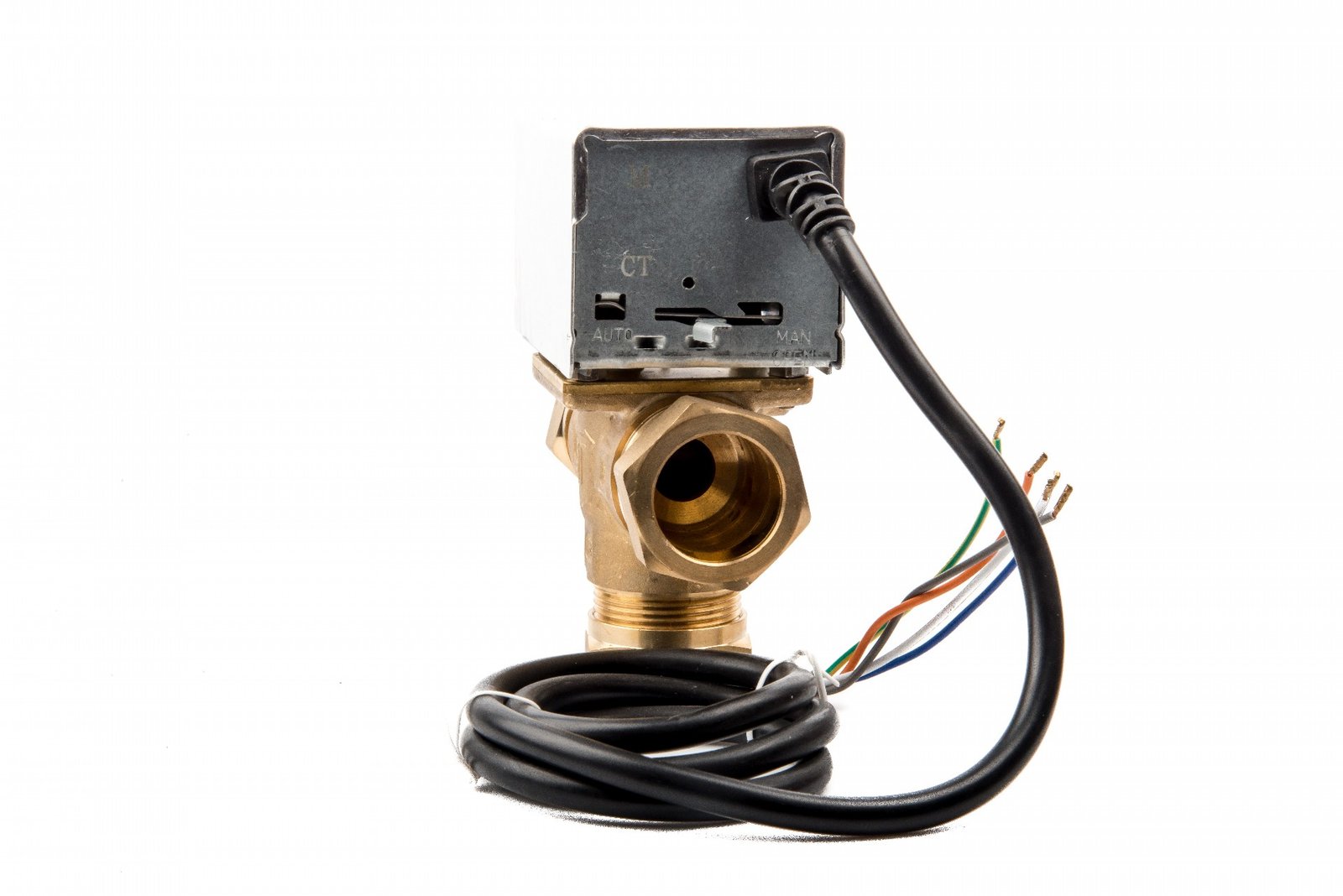
Mechanically, the valve takes 28 mm compression fittings supplied with the body. Use the wrench flats on the valve body when tightening — do not leverage on the actuator. The actuator has a manual/open lever for filling, venting and commissioning; when replacing the actuator follow the instructions to set the Auto/Manual lever to the manual open position before removal or fitting.
Suitability, advantages and limitations
The VAL328MP is a practical choice where simple, robust three‑position control is required: standard gas or oil boiler installations with separate room and cylinder thermostats, small‑to‑medium size domestic systems and retrofit jobs where installers prefer a replaceable actuator. Advantages include a replaceable actuator (no drain‑down to change the motor head), a compact 28 mm compression body, and familiar wiring colours and wiring conventions that make it straightforward for a competent installer.
Limitations to check before specifying: the valve’s maximum differential pressure is 1.0 bar and maximum static pressure 10.0 bar — it is not designed for high differential pressure applications. The auxiliary switch is rated at 3 A resistive, so it should not be used to switch heavy loads directly. The one‑metre cable is fine for most close‑coupled installations but may be short where the valve is remote from the wiring centre; plan cable routing accordingly.
Practical points for buyers and installers
- Check the system layout: mid‑position valves require the correct arrangement of programmer, room and cylinder thermostats to behave as intended.
- Confirm pressure conditions before fitting — do not exceed 1 bar differential pressure across the valve in normal operation.
- Keep the actuator lever in MAN when filling/venting; hold the valve body with a spanner on the flats when tightening compression fittings.
- Because the actuator is replaceable, you can swap motor heads for compatible replacements without draining the system — useful in trade servicing.
Overall, this mid‑position valve is a solid, workmanlike component aimed at ordinary domestic systems rather than specialist hydraulic circuits. It will suit installers who want a conventional three‑port approach with the convenience of a removable actuator and straightforward wiring conventions.