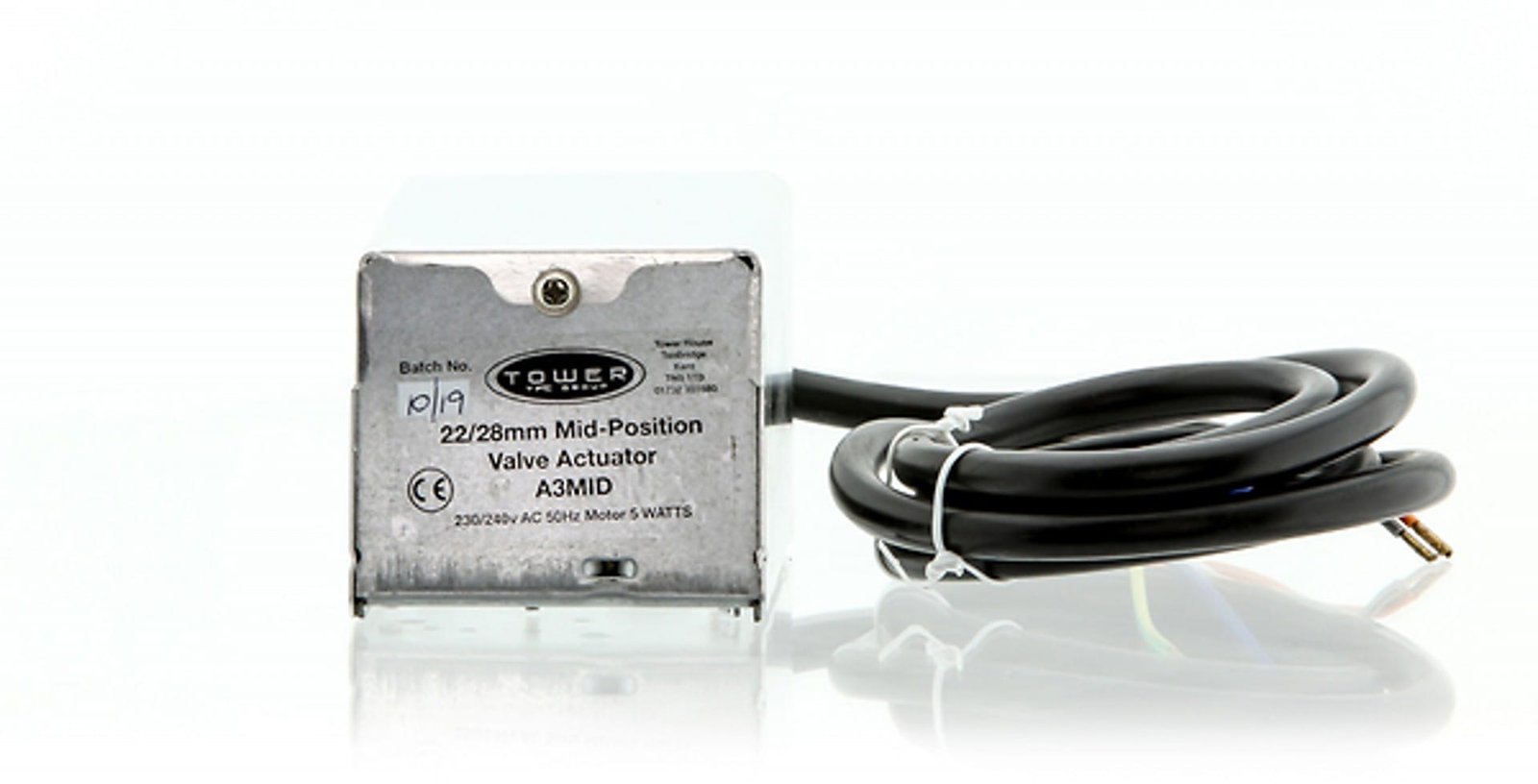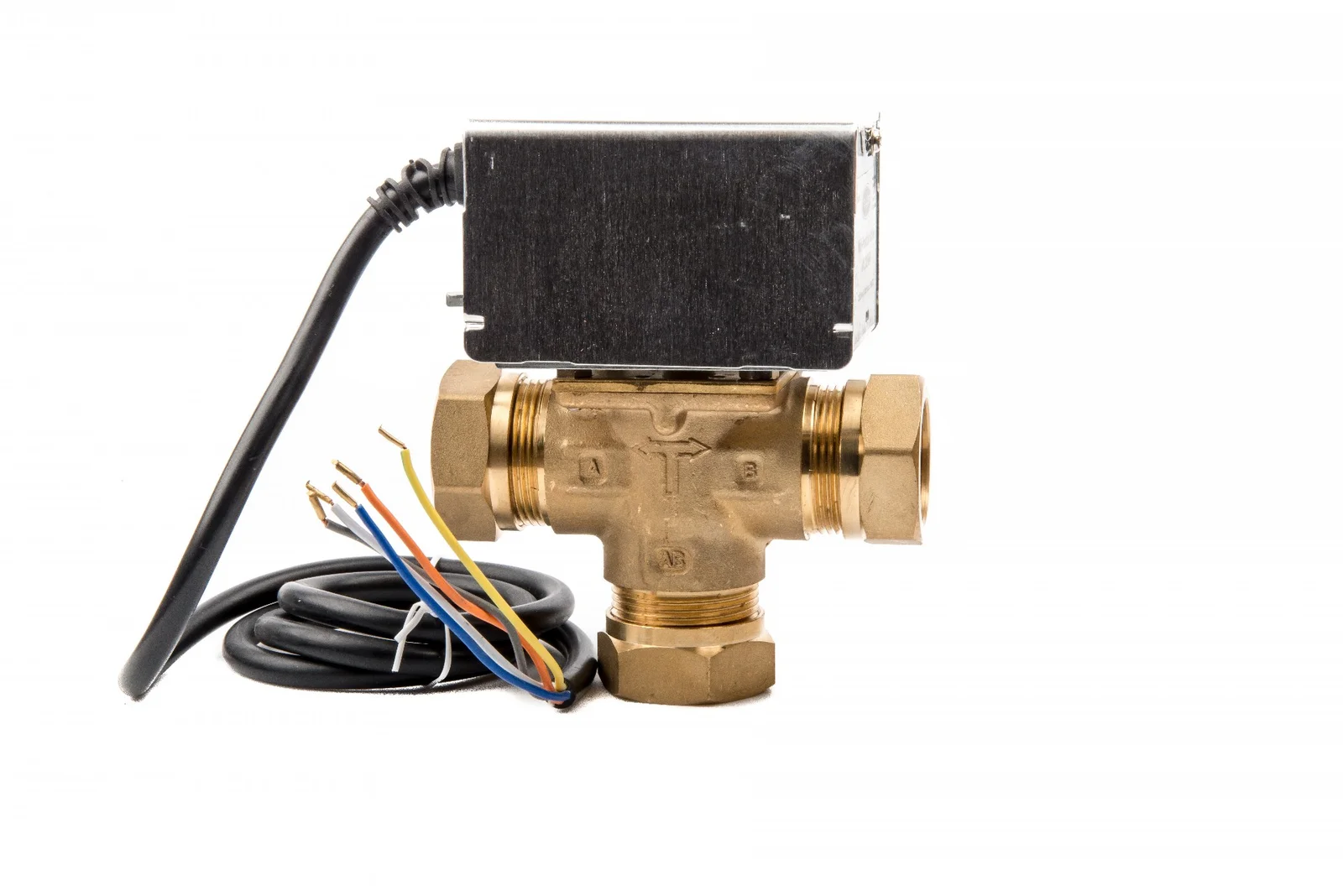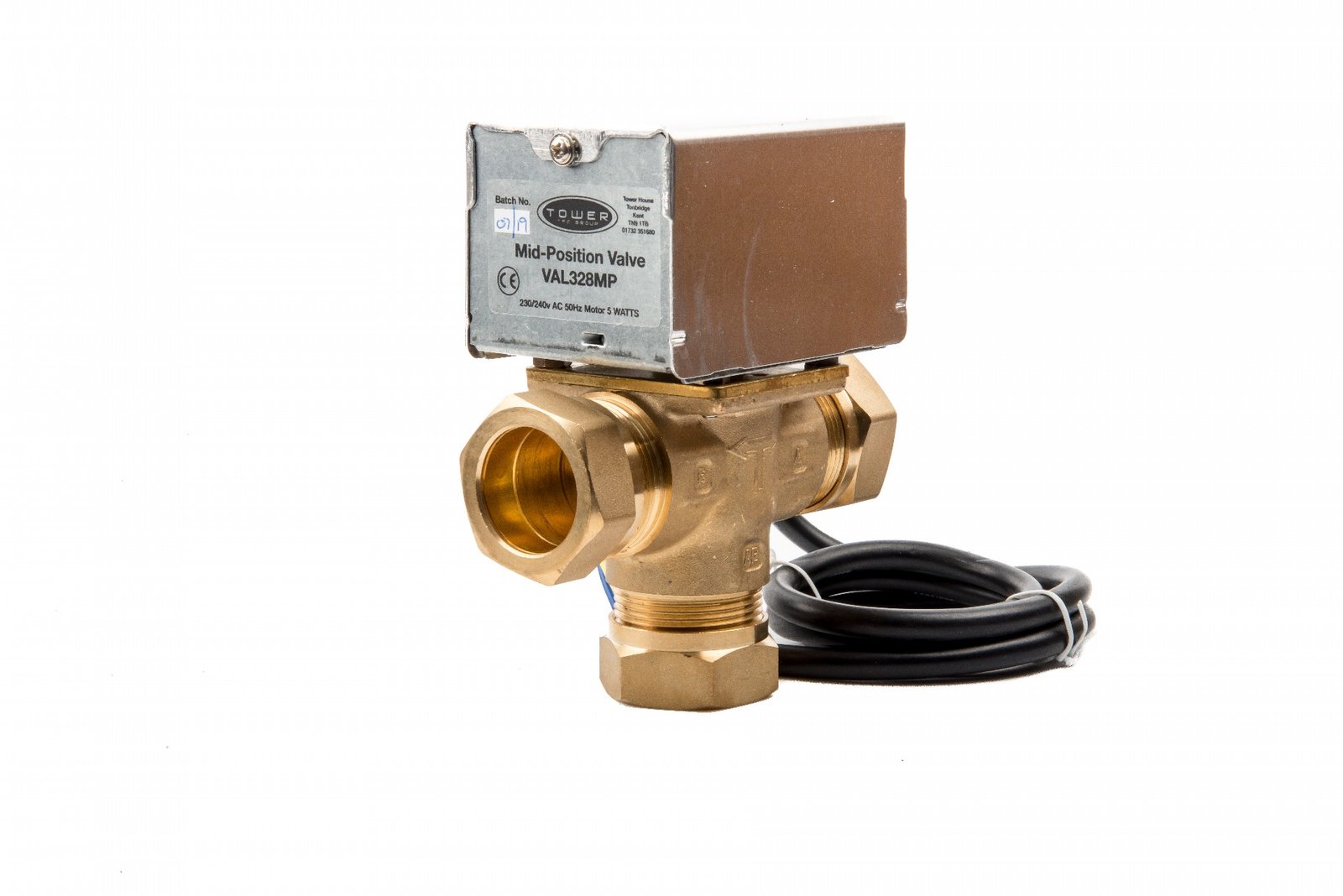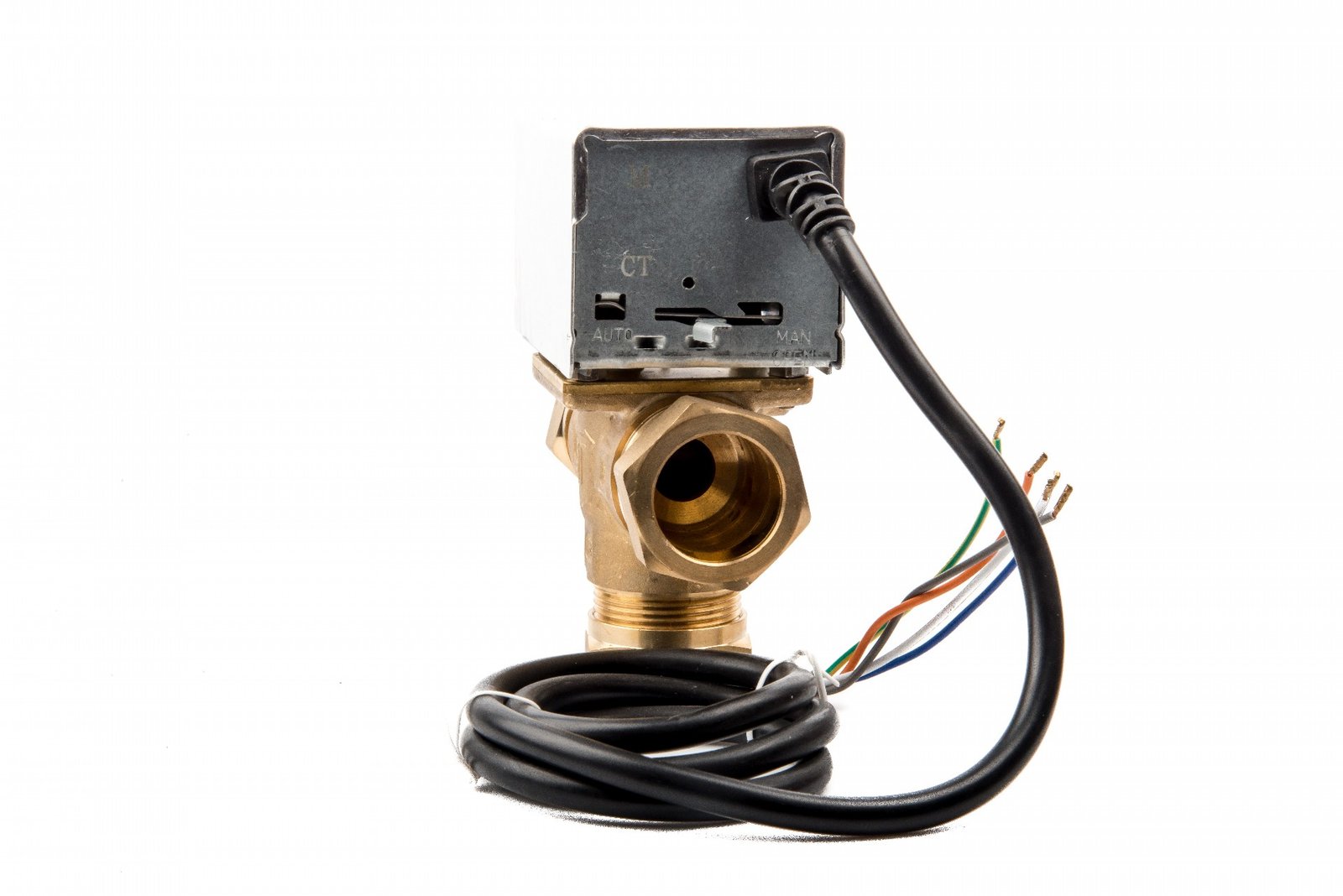


Description
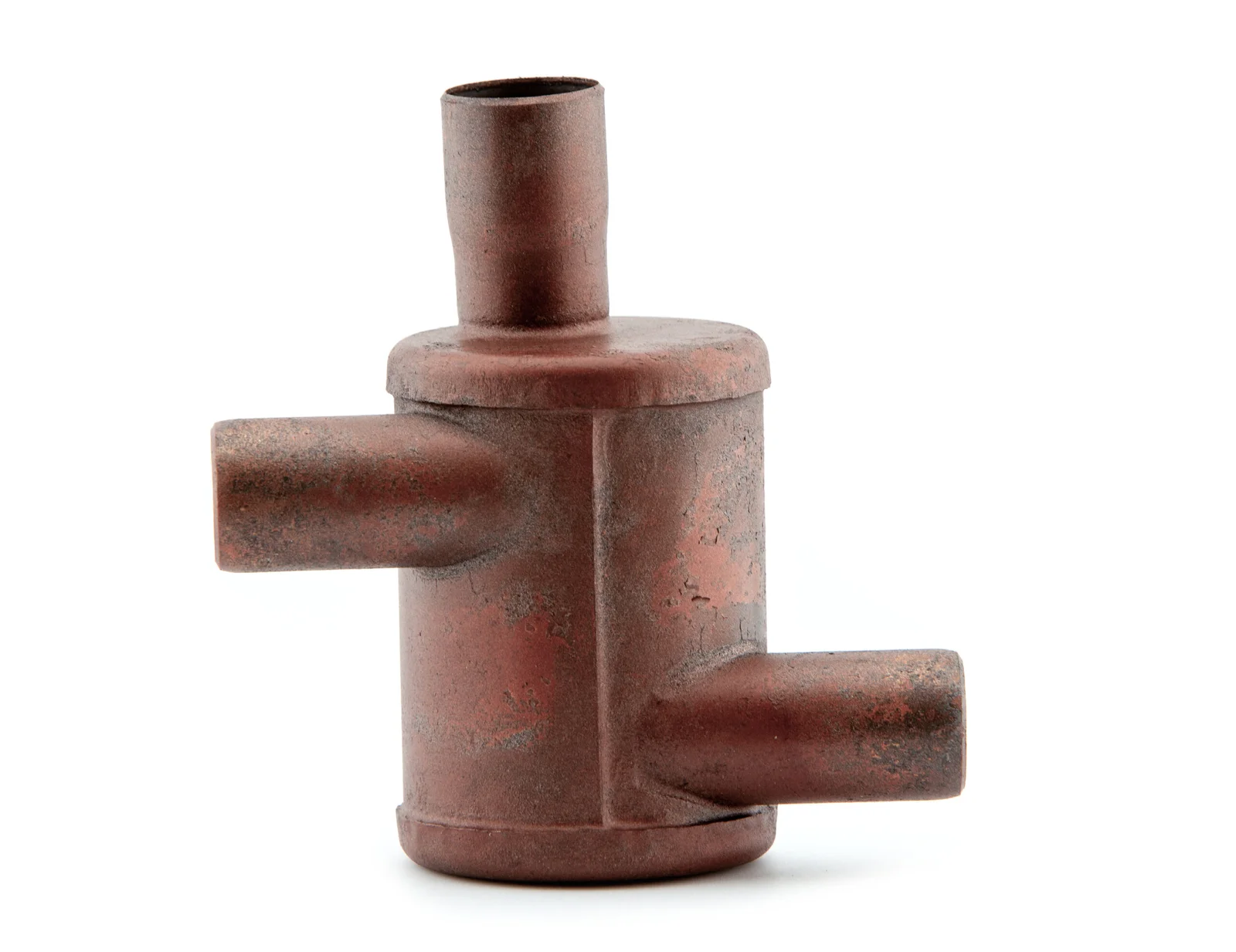
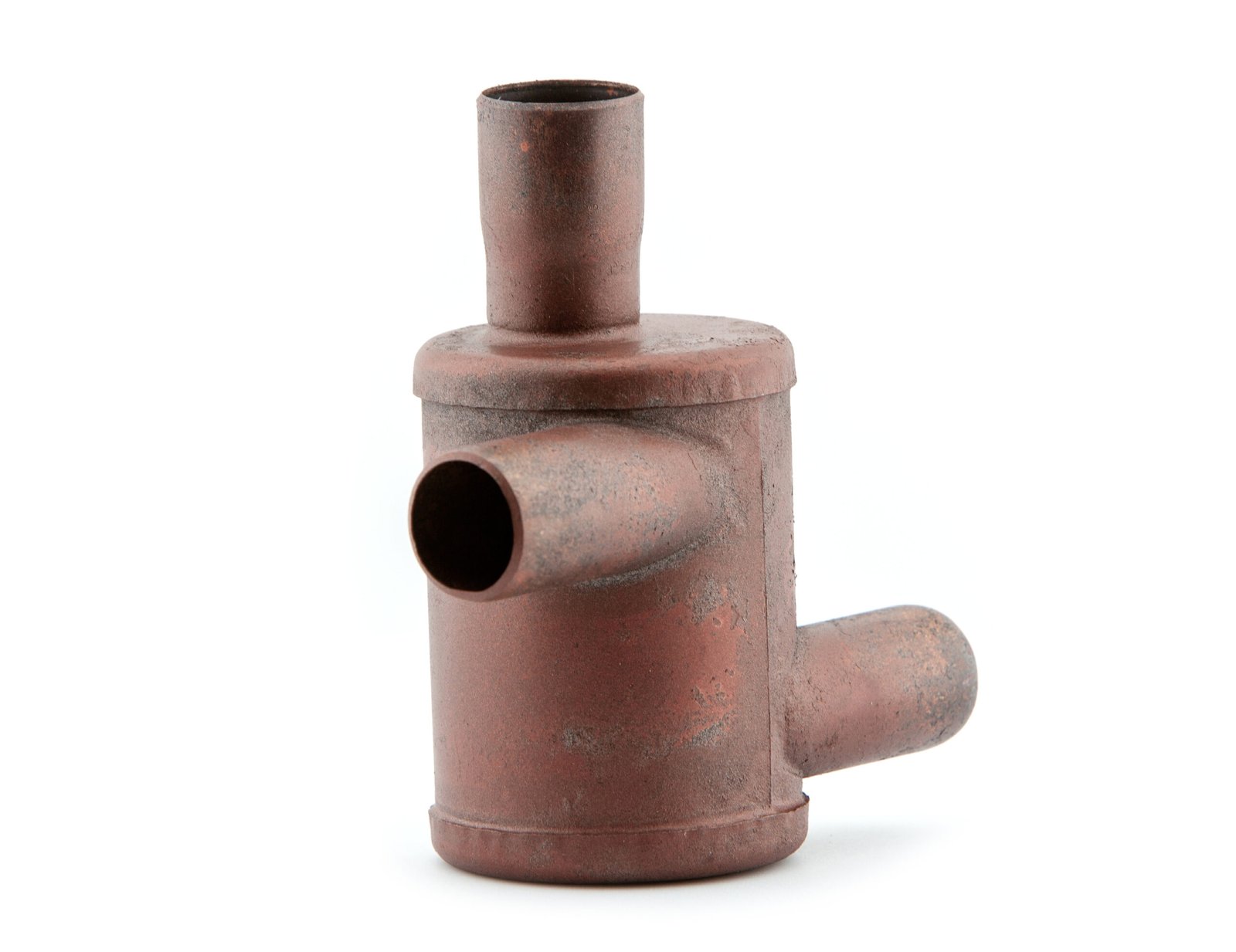
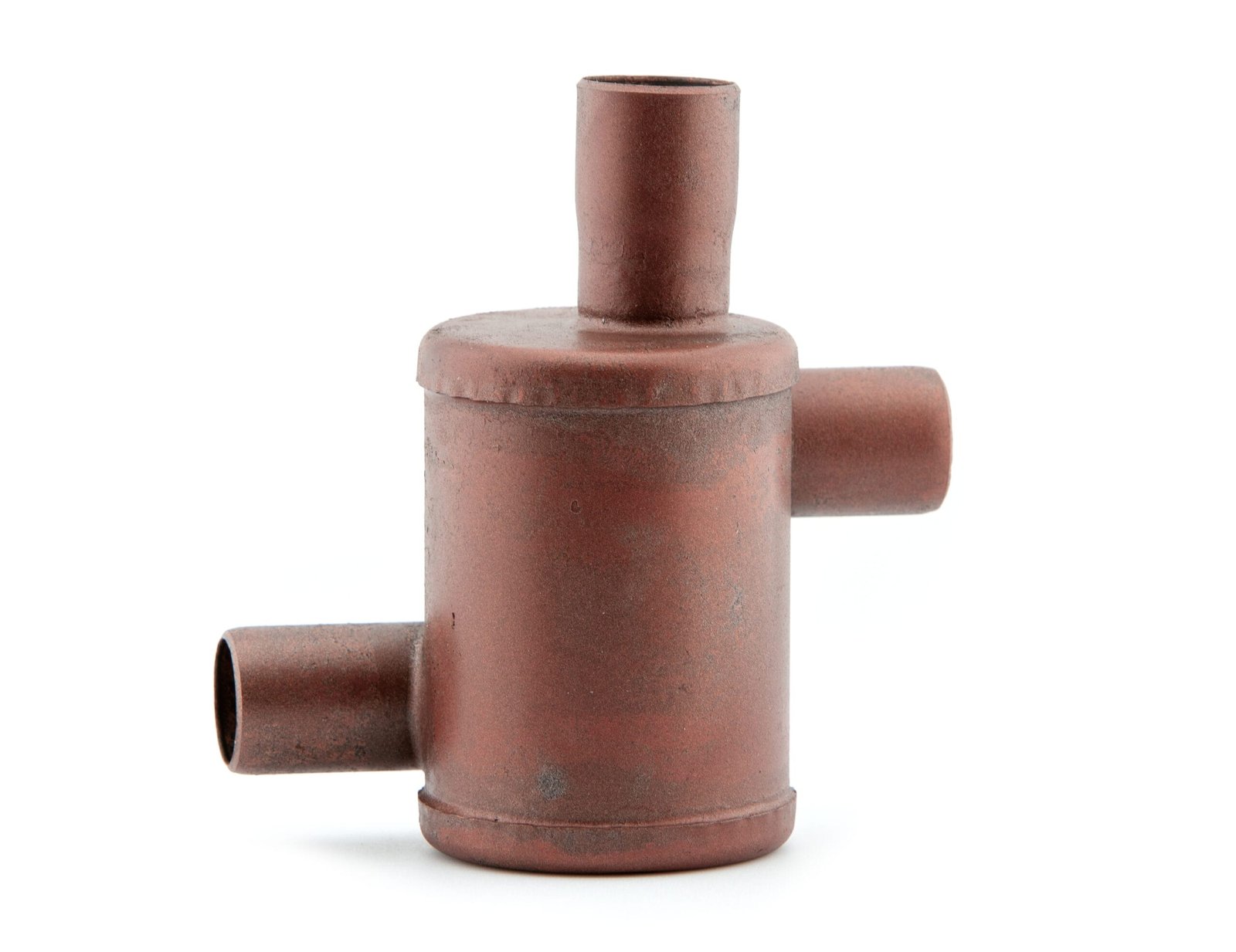
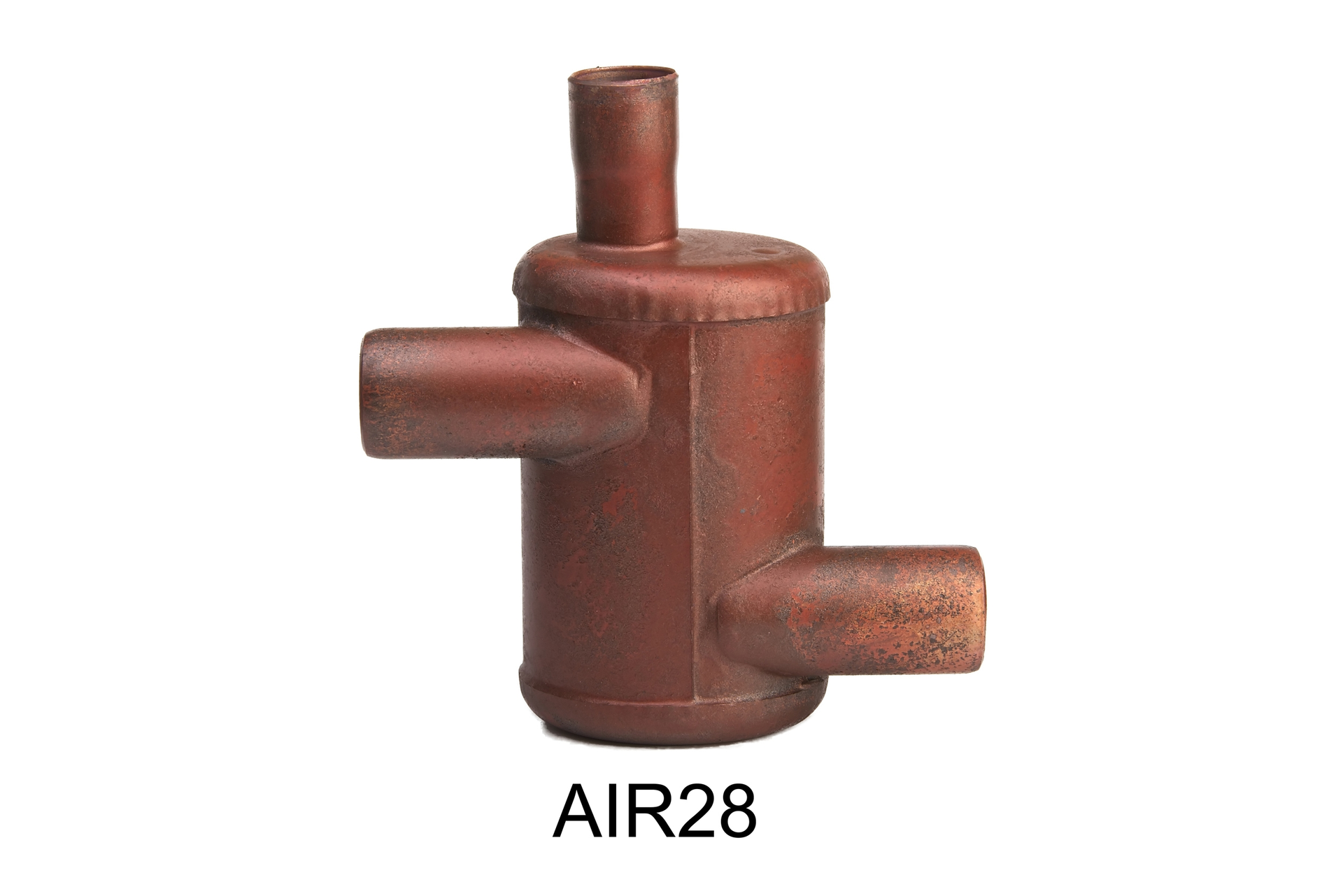
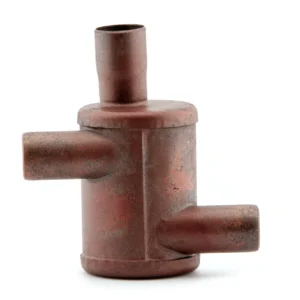
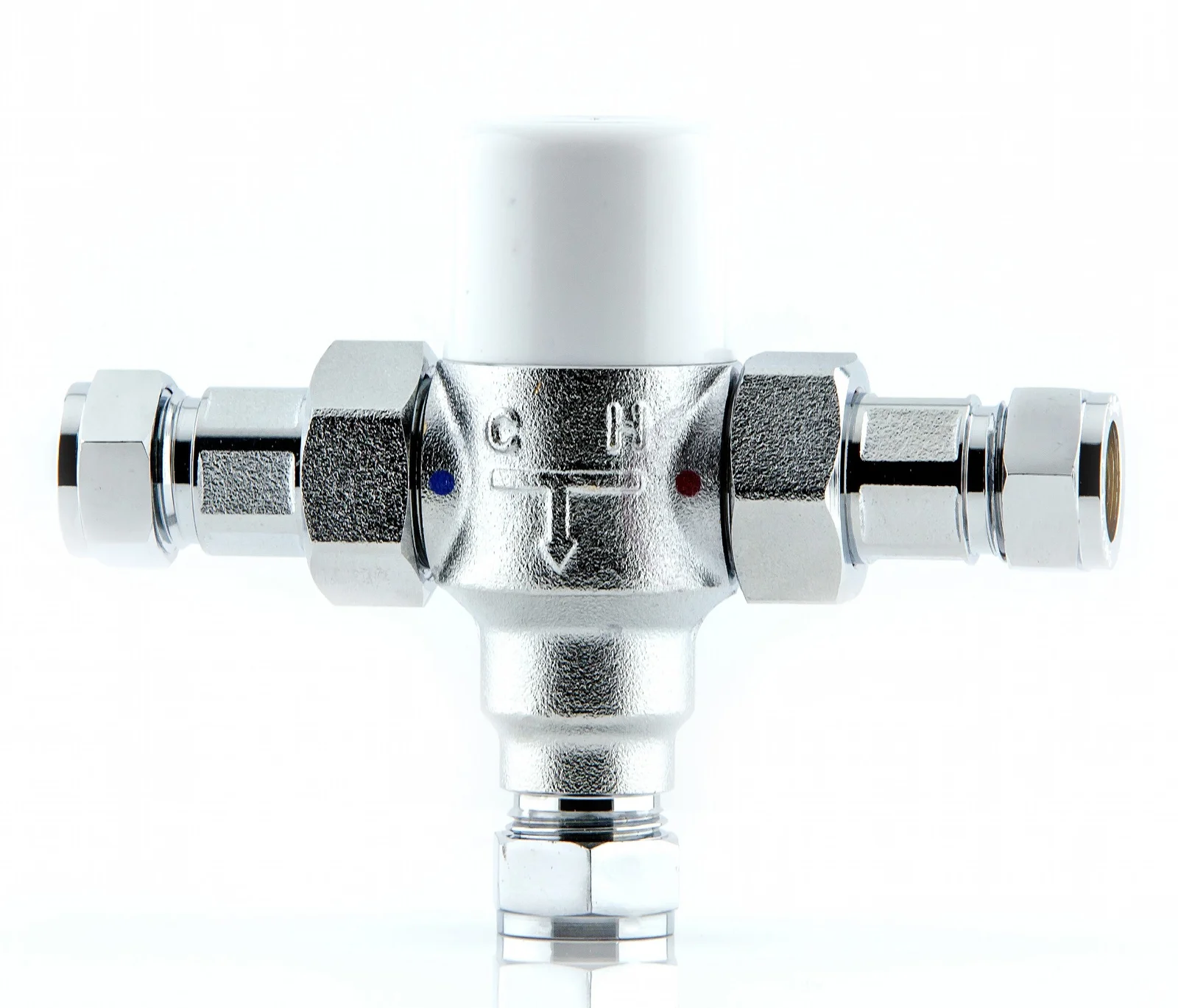
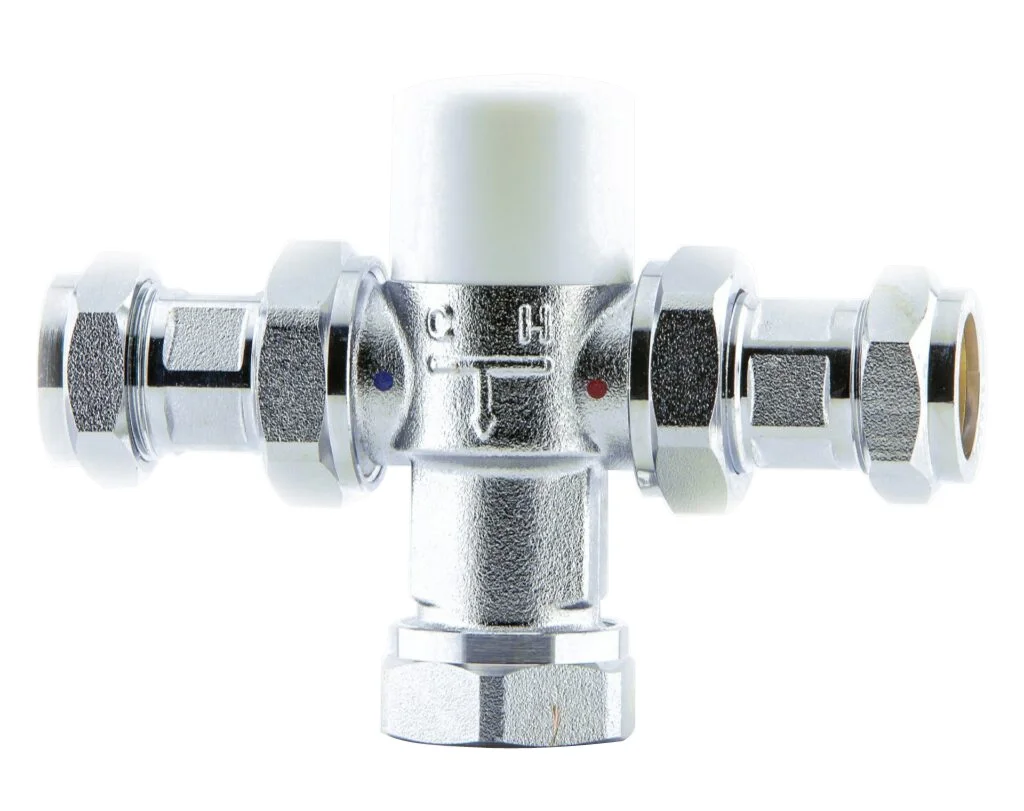
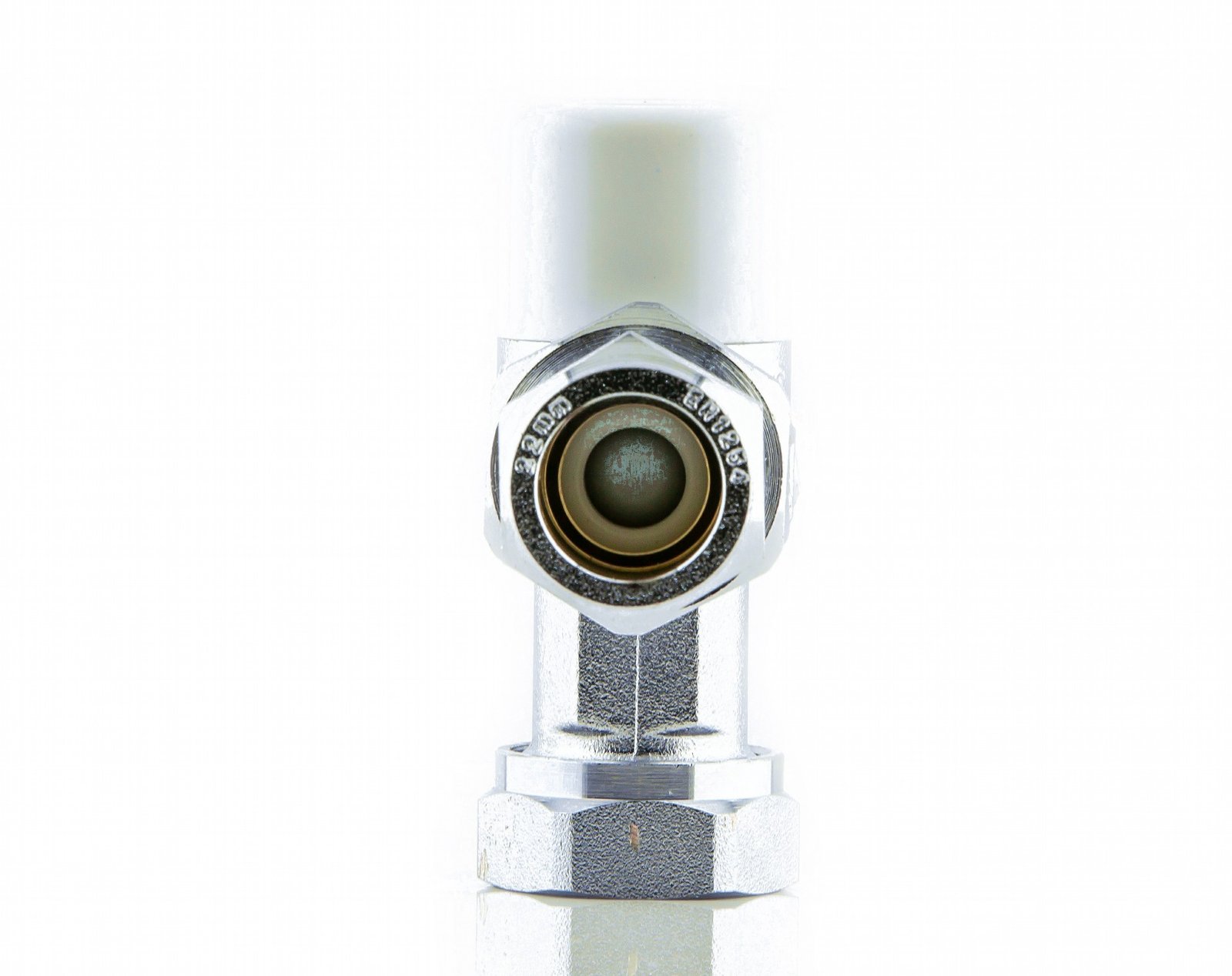
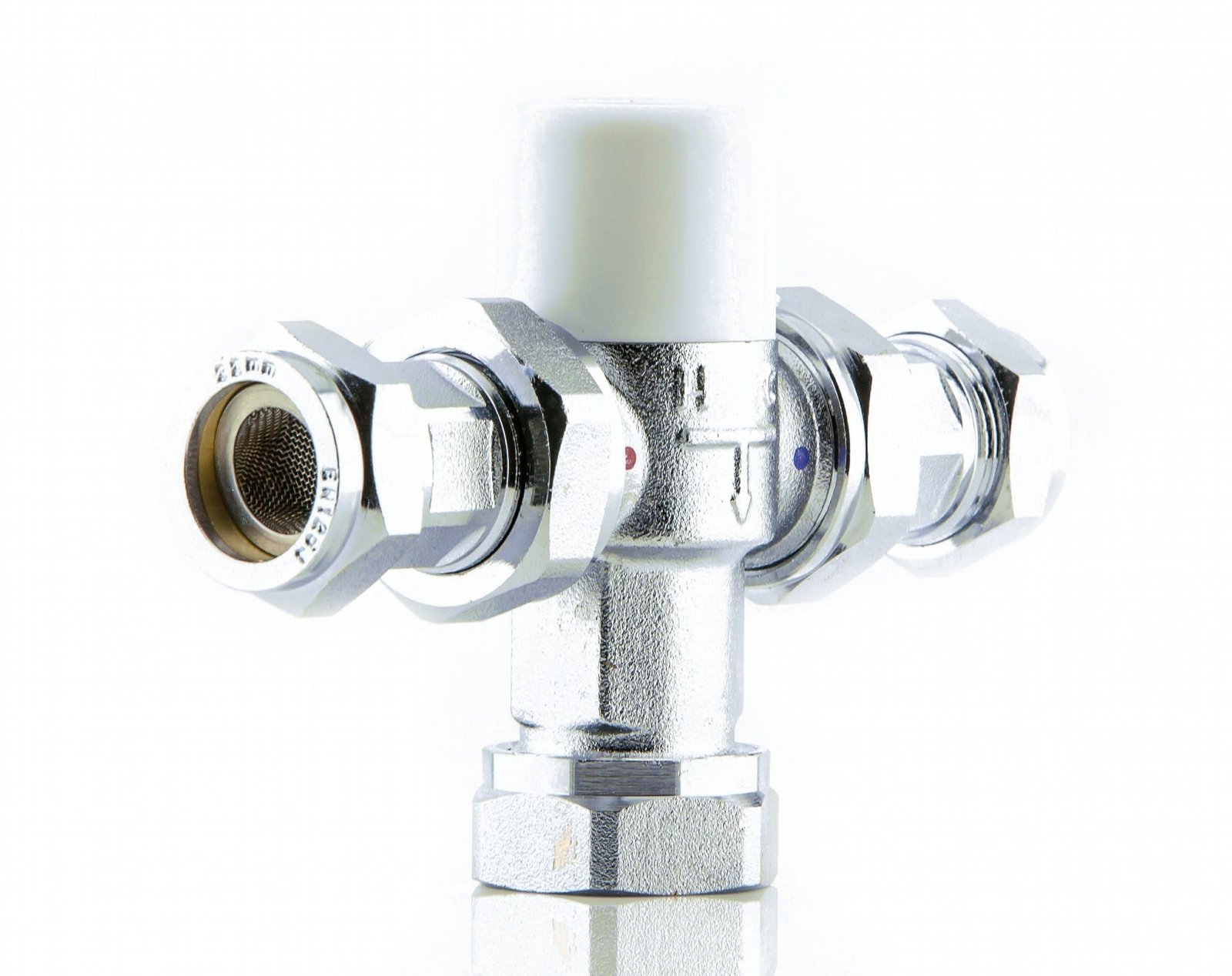
This is a compact temperature‑stabilised thermostatic mixing valve intended to blend hot and cold supplies and limit the maximum outlet temperature. Mechanically simple and chrome‑plated, it uses 22mm compression inlets and an adjustable, tamper‑resistant control to give a reliably regulated mixed water temperature for domestic bathroom and heating installations.
It’s useful where you need a straightforward, serviceable blending point — for example under‑bath or feed to a basin or shower — but want something aimed at trade installation rather than a designer exposed fitting. The unit combines small inlet filters and check valves with a wax‑capsule thermostat so it shuts down if a supply fails and can hold the mixed temperature to within roughly ±2°C when the supply conditions are within the stated limits.
Key specifications
- Pipe size: 22mm compression
- Outlet (adjustable) temperature: 35–50°C (tamperproof adjustment)
- Accuracy: ±2°C temperature stability under normal supply variation
- Hot supply temp range: 52–65°C; cold supply temp range: 5–20°C
- Maximum hot supply temperature: 80°C
- Maximum static pressure: 10 bar; dynamic flow pressure ranges: low pressure 0.2–1 bar, high pressure 1–5 bar
- Filter on both inlets: 600 µm (0.6 mm); inlet non‑return valves provided
- Flow coefficient (Kv) for 22mm: 1.7 m3/h
How it works in plain terms
Inside the valve a temperature‑sensitive element (a wax capsule) adjusts the proportion of hot and cold water to keep the outlet at the set limit. If one supply fails or drifts outside the necessary differential, the mechanism moves toward fail‑safe so the outlet temperature won’t rise uncontrollably. A single adjustment screw under a cover lets an installer set the maximum blend; once set the cap can be made tamper‑resistant for safety.
Where it’s appropriate and what to watch for
The TMV22 suits many domestic and light commercial uses where you need temperature control but not an exposed designer fitting — under‑bath installations, supplies to basins or showers, or as part of a central heating/hot water arrangement where a blended outlet is required. It’s designed to satisfy the relevant EN standards (BS EN 1287 for low pressure and BS EN 1111 for high pressure), and the built‑in filters and check valves reduce the risk of debris or return flow affecting performance.
However, it is important to match the valve to the system. The valve has designated application codes for shower, basin, bidet and bath fill (different maximum mixed temperatures apply), and the supply pressures and temperatures must fall within the specified ranges for the valve to meet its performance claims. The factory does not ship the valve with a pre‑set blend temperature, so commissioning and on‑site adjustment are required.
Installation, commissioning and maintenance
Installation notes from the manufacturer emphasise standard trade practice: fit isolating valves either side of the unit to make servicing straightforward, thoroughly flush supply pipes before connection, and retain the inlet filters. Commissioning involves recording hot and cold supply temperatures and setting the mixed temperature at the largest and a smaller draw‑off to confirm stability. The wax capsule requires a minimum temperature differential to operate correctly, and the valve will need periodic in‑service testing and cleaning of filters (the guidance suggests an early schedule after commissioning and then periodic checks; follow the supplied instructions).
Maintenance is relatively simple: filter cleaning, occasional replacement of worn ‘O’ rings and light greasing of metal parts. The product includes a one‑year guarantee against workmanship or material faults but that guarantee requires competent installation in accordance with the instructions.
Practical advantages and limitations
- Advantages: compact trade‑grade unit with built‑in filters and check valves, straightforward tamper‑resistant temperature adjustment, and robust pressure/temperature limits suitable for many boiler‑fed hot supplies.
- Limitations: it is not a designer exposed valve, requires correct matching to supply conditions and commissioning, and the manufacturer documentation explicitly states it is not TMV2/TMV3 certified (see warnings below) — so check regulatory or site‑specific requirements before specifying for care settings or where TMV2/TMV3 certification is mandatory.
For tradespeople and installers the TMV22 is a pragmatic, easy‑to‑service choice where a reliable blended outlet is required and the system supplies meet the published ranges. If the installation demands formal TMV2 or TMV3 certification, or stricter commissioning records, choose a valve with the appropriate certification and accompanying documentation.