Description
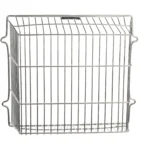
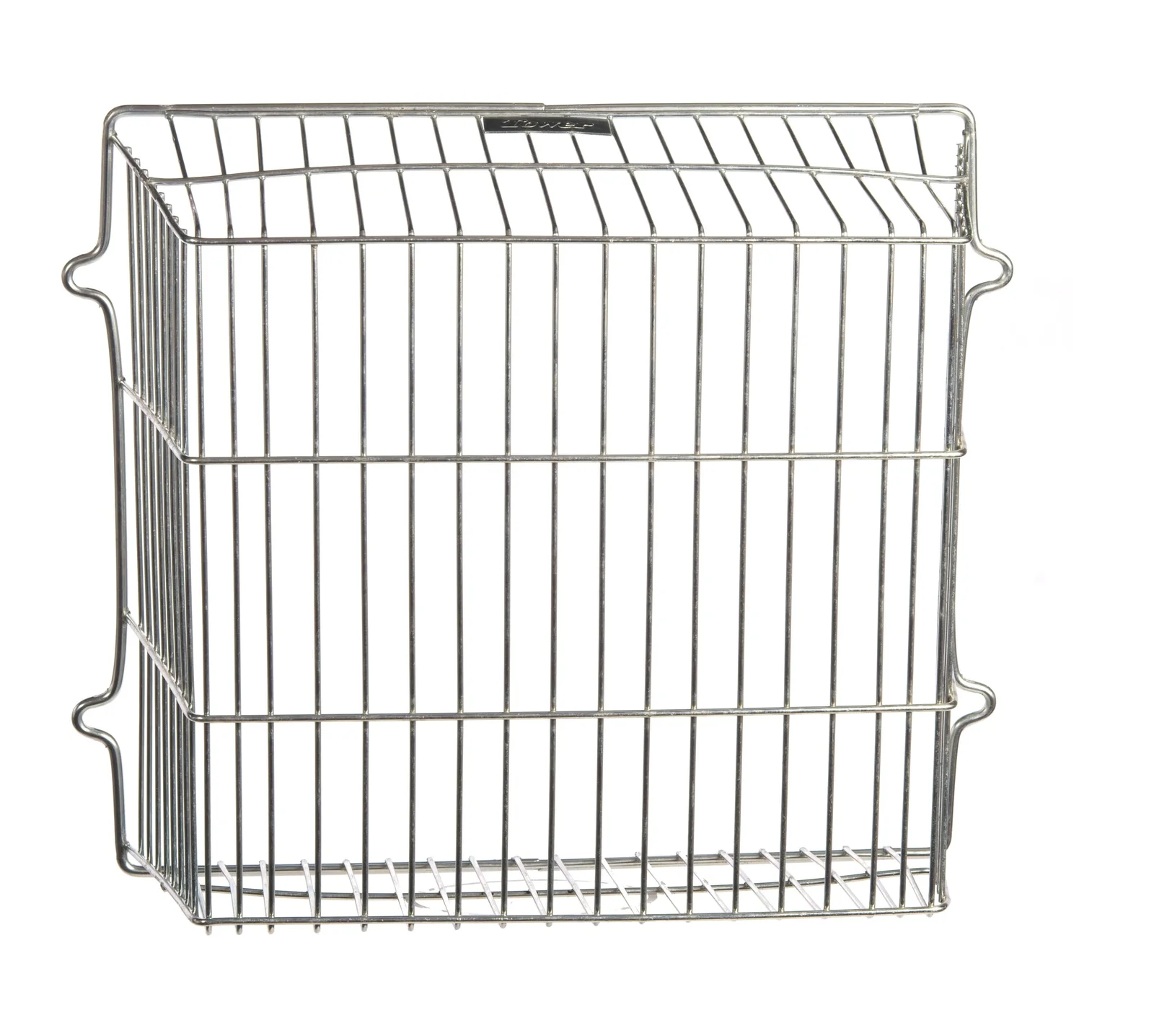
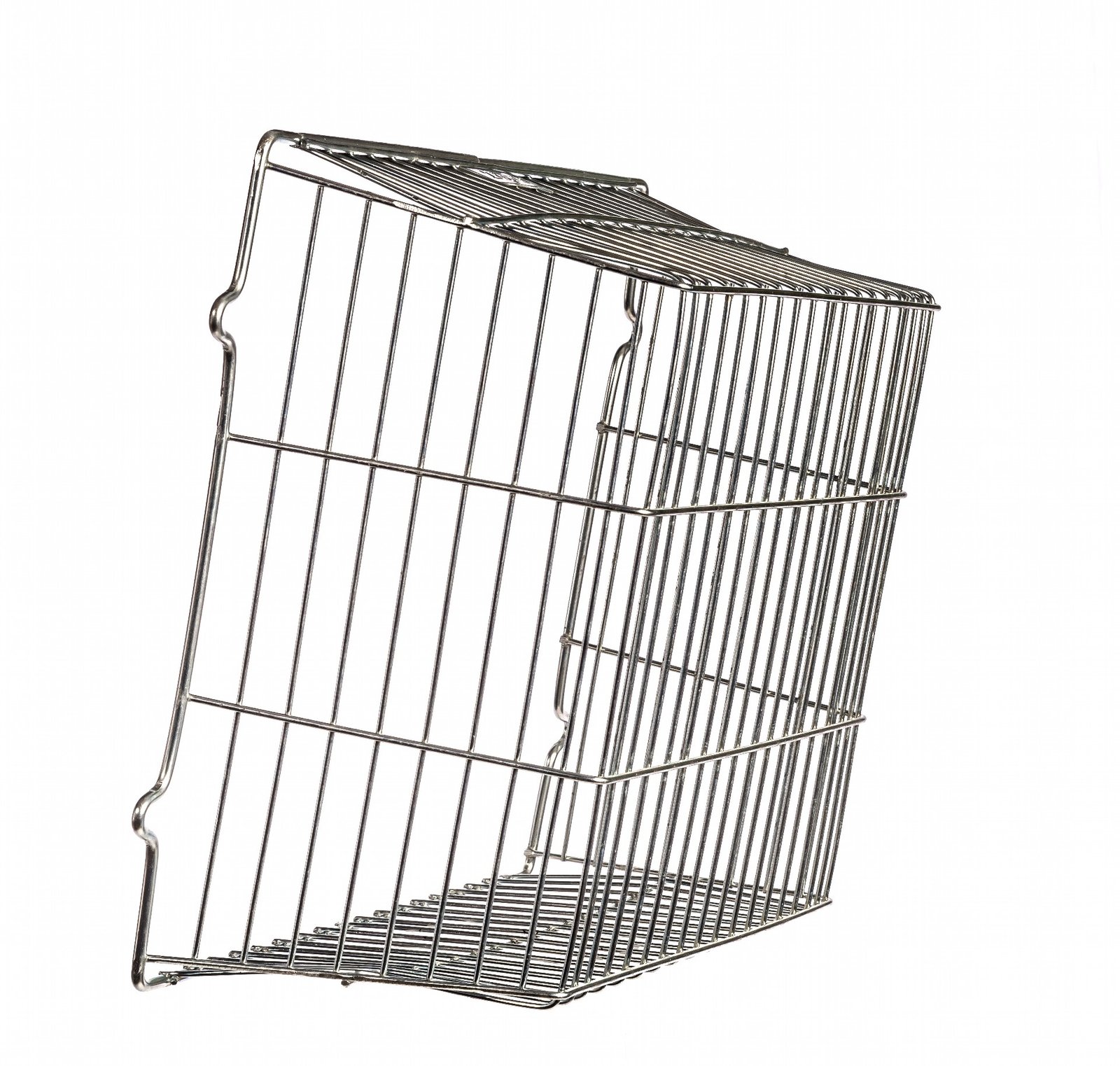
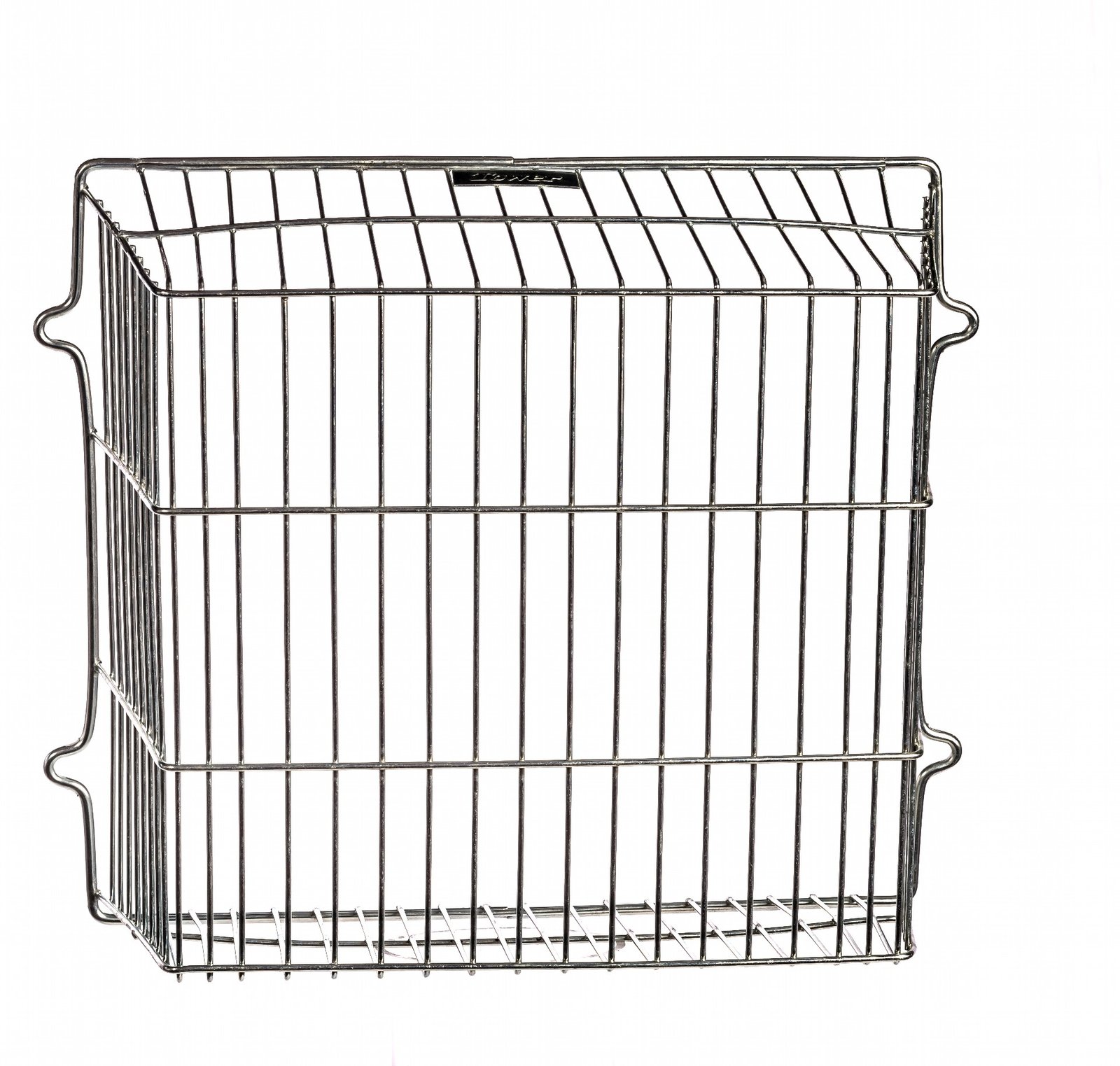
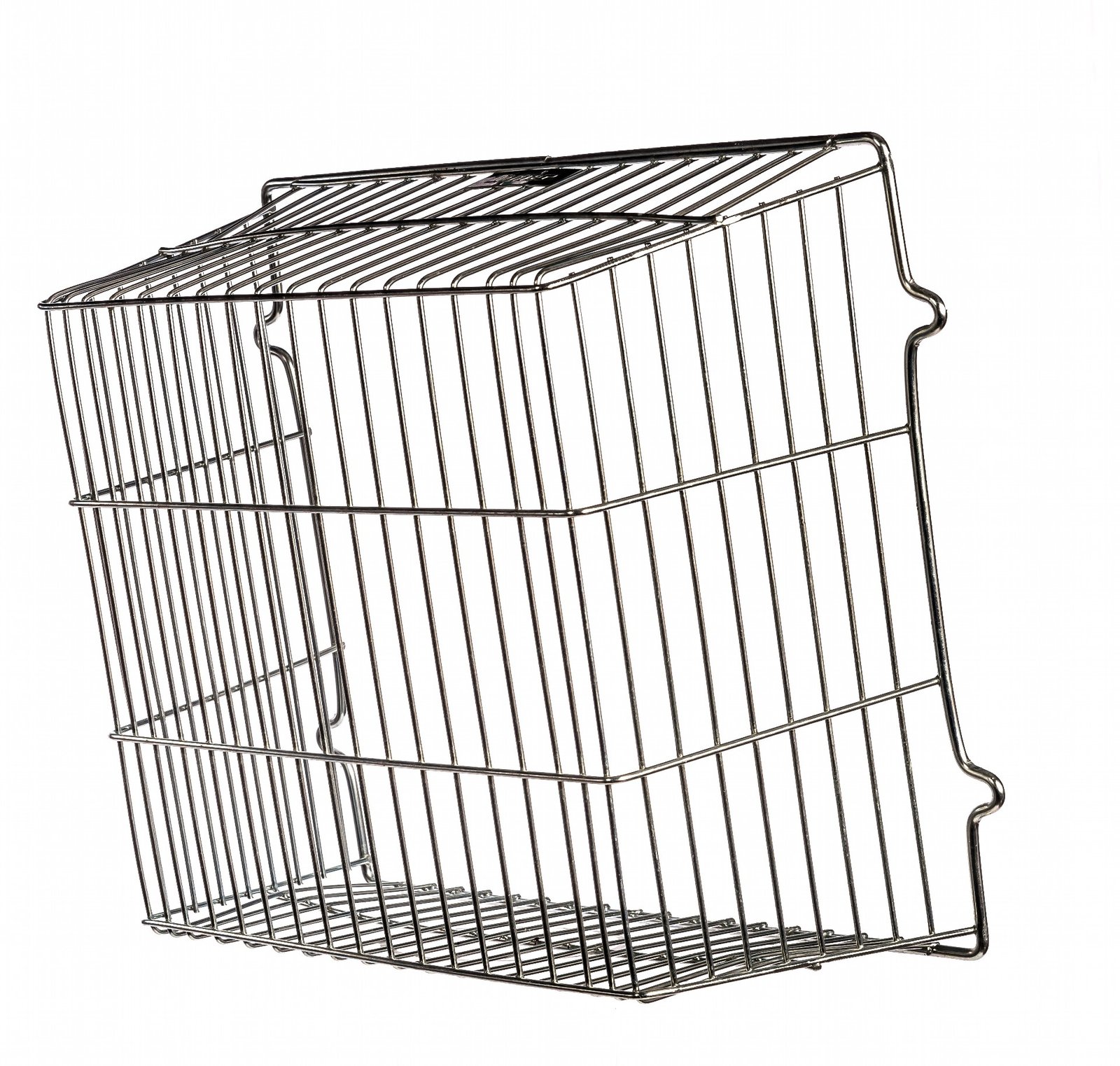
These rectangular terminal guards are a simple wire‑cage protector designed to cover a boiler flue terminal where people could reach it. They sit over the terminal to stop accidental contact and to prevent objects or birds from blocking or damaging the outlet. The product is a standard, off‑the‑shelf flue‑terminal guard from the Tower (TFC) TGD family: a lightweight rectangular cage available in several finishes chosen to suit different flue types and exposure conditions.
Mechanically the guard is nothing more than a shaped wire cage with fixing projections so it can be secured to the wall around the flue. Its purpose is safety and compliance — specifically to meet the practical intent of BS5440‑1:2008 where a terminal might be within reach or in an area accessible to people. It will not change the way the appliance operates, nor will it alter flue performance when fitted correctly.
Key specifications
- Family: Rectangular terminal guard (Tower TGD series)
- Material/finishes: Zinc & passivated (no suffix); JS500 coating (JS); Brown plastic coated (BR); Stainless steel (SS)
- Pipe size (as listed in the supplied record): 50 mm
- Category: Central heating / flue terminal protection
Which finish should you choose?
The product family deliberately offers four finishes because the flue environment varies. Zinc & passivated (the default, no suffix) is a general‑purpose, economical option for many traditional non‑condensing gas installations where condensate or aggressive exhausts are not present. JS500 is an automotive‑grade leach‑and‑seal finish used specifically for oil boiler flues; oil‑fired exhausts can corrode standard zinc coatings, so the JS finish is recommended where the manufacturer or installer specifies it. Brown (BR) plastic coating is recommended for condensing boilers because polyethylene/plastic coating protects the metal against acidic condensate and gives a neat, discreet appearance over typical brown brickwork. Stainless steel (SS) is the most weather‑resistant choice and will give the longest service life in exposed locations, though it is usually more expensive and may not be necessary for all domestic settings.
Fit, compatibility and sizing
Rectangular guards in the TGD family come in a range of sizes to suit different rectangular terminal shapes and clearances. The guard listed in your supplied record is identified for 50 mm pipe size; however, in practice you should match the guard dimensions to the terminal geometry rather than just the pipe diameter. A guard must not touch the terminal and should be fitted so that no part of the guard is less than 50 mm from any part of the terminal — this is a common requirement in guidance and helps ensure correct dispersion of exhaust gases and avoids heat transfer to the guard itself.
If you are replacing a guard or specifying one for a new installation, measure the terminal face and report the terminal’s width, height and projection. Check the installer’s or product sheet’s dimension chart: the TGD family uses different catalog codes for each size, and the correct code (for example TGD1111105, TGD141408, etc.) depends on those dimensions.
Installation and regulatory notes
These guards are intended to be fixed to the wall or surrounding brickwork with appropriate screws and plugs. They are passive devices — you place the cage over the terminal and secure it. The fitter should ensure the guard does not restrict the terminal opening or obstruct the plume. A protective guard is normally required wherever the terminal is reachable by people (for example below 2.1–2.2 m from ground level, on balconies or accessible flat roofs) in line with BS5440‑1 guidance. When in doubt, follow the appliance manufacturer’s instructions and local building regulations.
Advantages and practical limits
- Advantages: inexpensive, quick to fit, multiple finishes to suit oil, condensing or exposed applications, widely available from heating wholesalers.
- Limits: the zinc option is not appropriate for condensing boilers (condensate attacks zinc coatings); JS500 is for oil/non‑condensing only; plastic coatings can wear or chip over time; stainless steel is durable but costlier.
In short, this is a functional, standards‑aware guard intended to make a terminal safe and compliant without affecting performance. Choose the finish to match the flue chemistry and the environment: JS500 for oil, plastic coated for condensing flues, stainless for long life in exposed sites, and zinc for general use where condensate is not an issue. Always confirm the physical dimensions and the installer’s recommendations before ordering to ensure you pick the correct TGD size code and finish for your terminal.