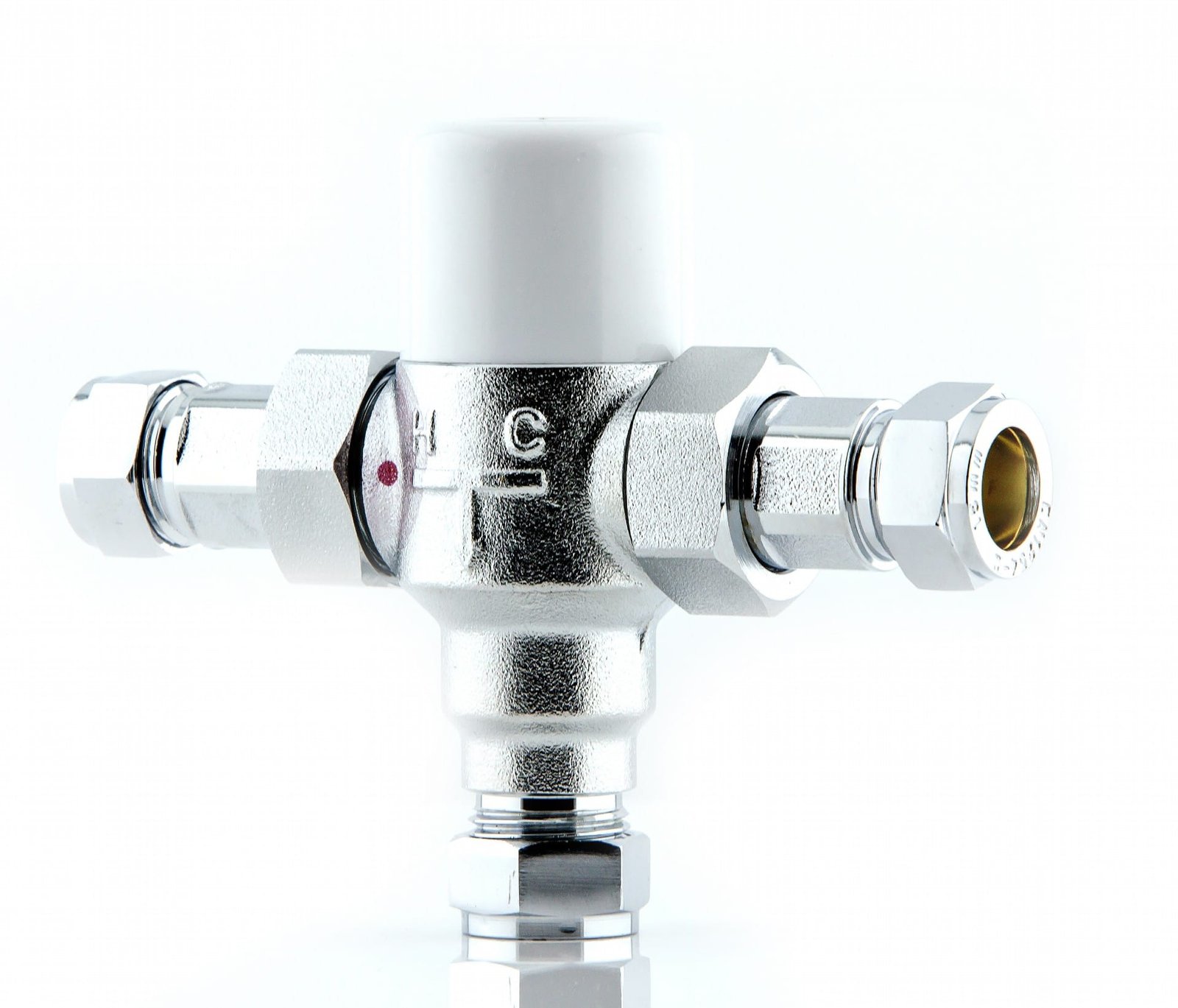
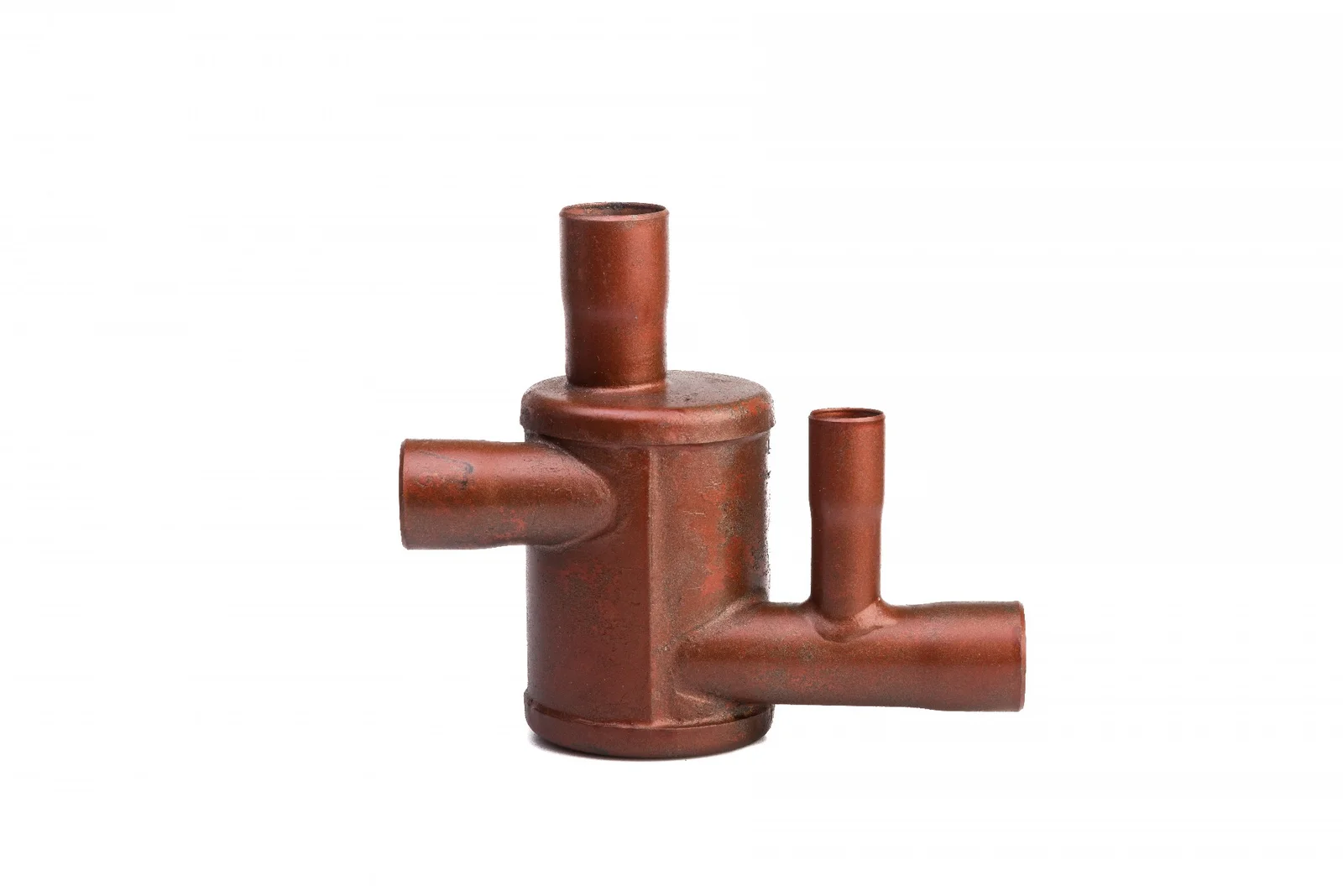
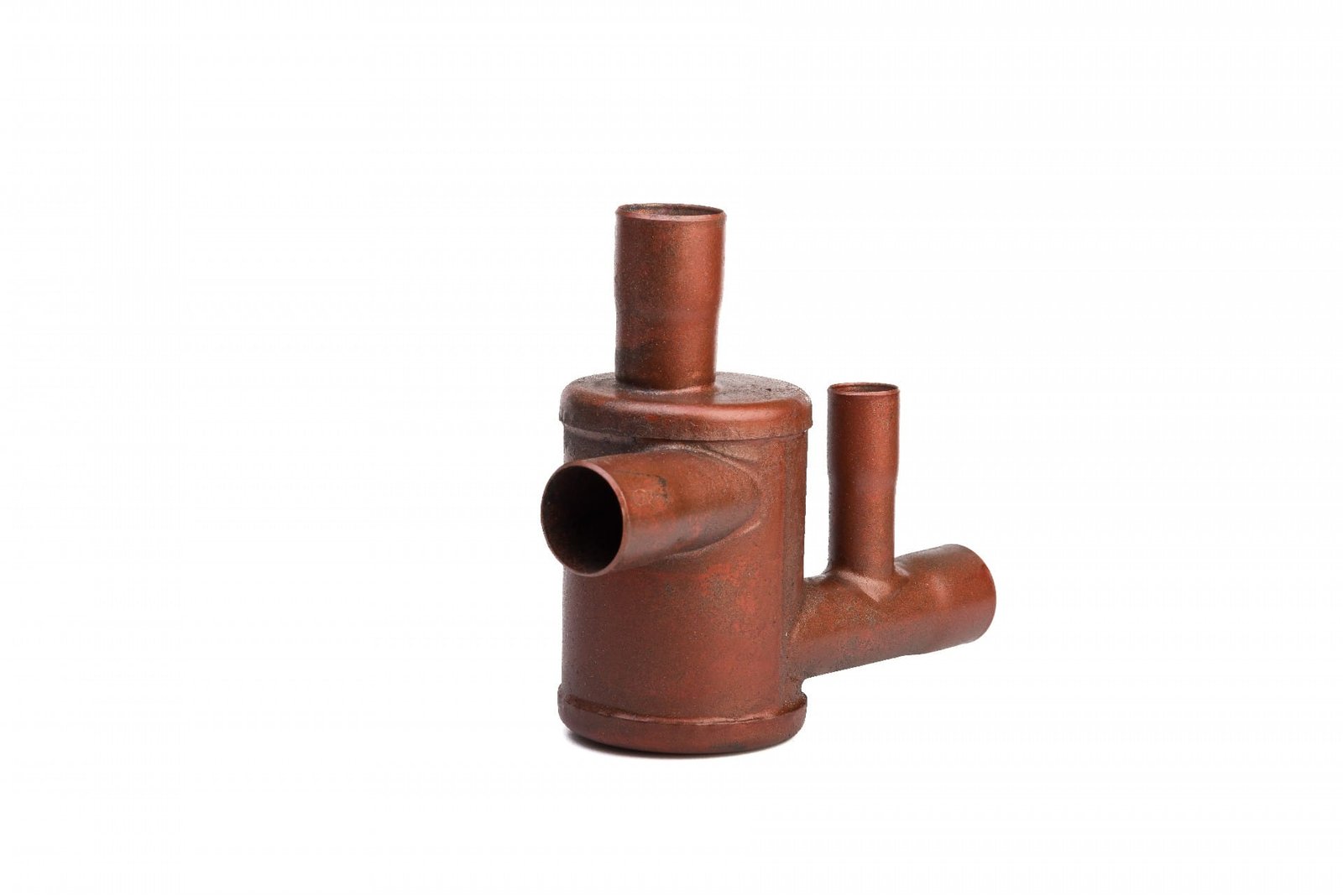
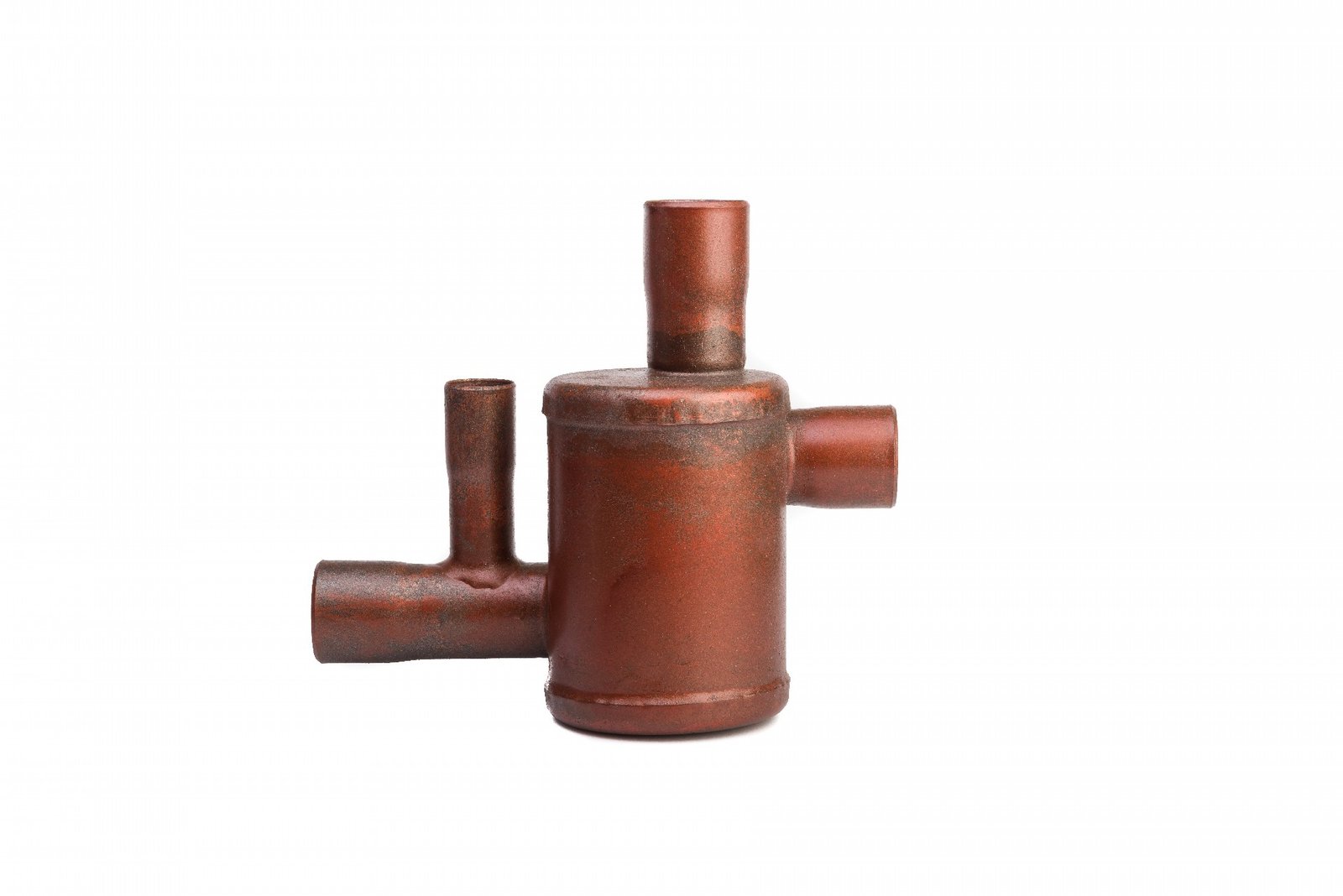
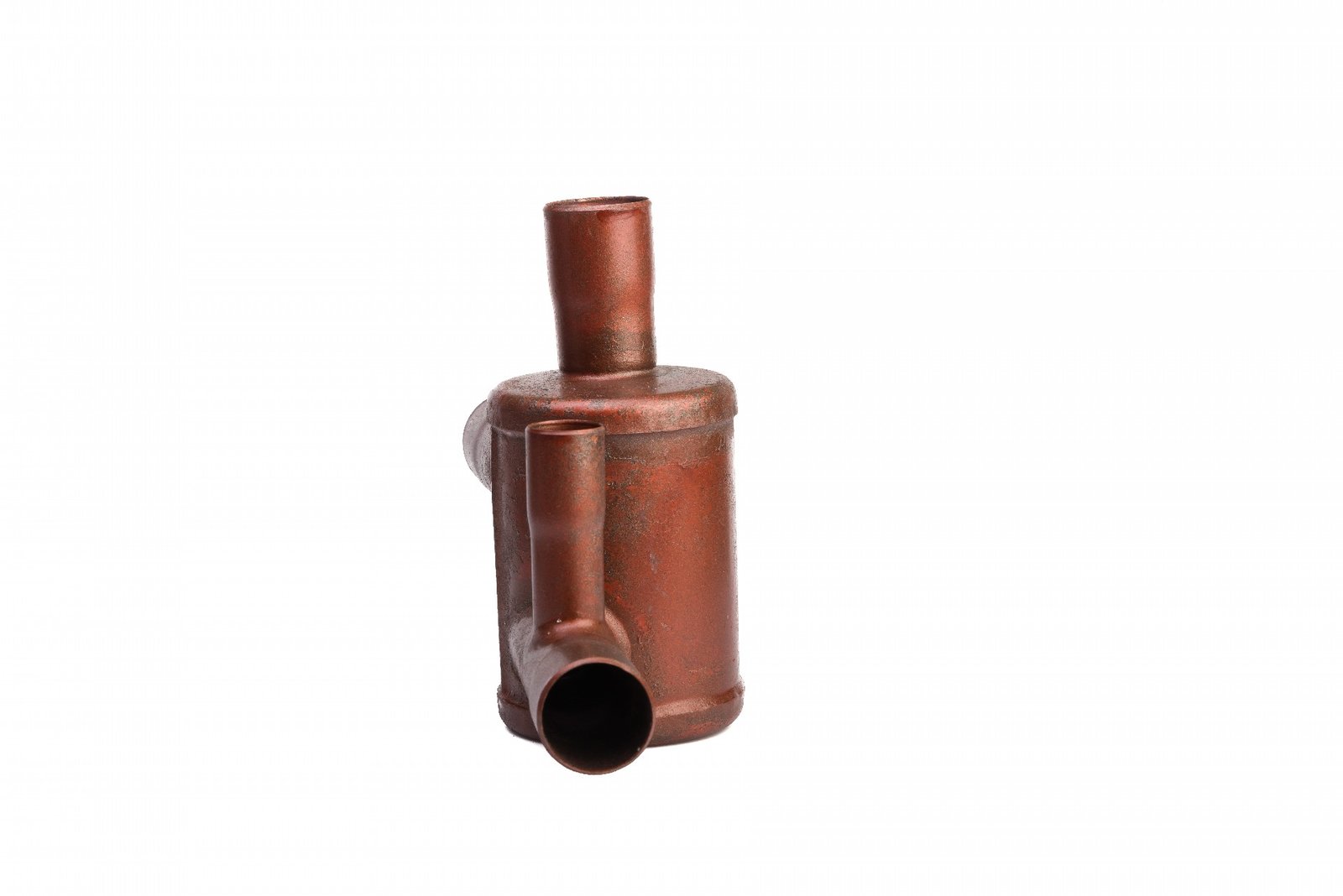
Description
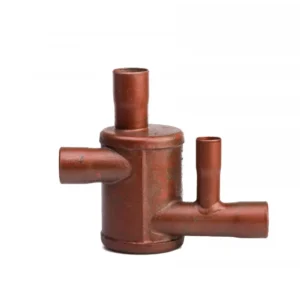
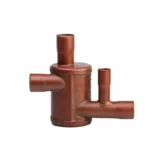
This is a compact automatic air separator intended for domestic open‑vented (conventional) central‑heating systems. Its job is simple but important: as water circulates it collects and coalesces entrained air and micro‑bubbles, giving them a path to escape so they do not cause radiator noise, air locks or premature wear to pumps and boiler components. The cold‑feed variant adds a small separate inlet so make‑up water can be introduced at the same point where air is being separated, which helps with system filling and keeps the air removal point close to the feed and expansion (F&E) arrangement.
Key specifications
- Model / reference: AIR22CF (Tower / TFC Group)
- Connections: 22mm soldered main body; 15mm cold‑feed connection
- Pipe sizes: 22mm main, 15mm cold feed
- Installation weight and size: approx. 0.207 kg; footprint ~55 × 132 × 116 mm
- Suitable for: open‑vented (conventional) central heating systems; intended for soldered copper pipework (not suitable for compression fittings)
- Operating detail: continuous, passive air removal; no moving parts
- Recommended positioning relative to pump: minimum 150 mm, maximum 2,000 mm
How it works and what it actually fixes
Inside the body the separator provides a change of flow pattern that encourages tiny bubbles to coalesce into larger bubbles. Once they are large enough they naturally rise to the highest point and can be expelled by an automatic air vent (or allowed to settle where they are bled off). Because the AIR22CF has its own cold‑feed inlet, installers can introduce make‑up water at the same location the system vents air; that makes sense in conventional systems where the cold feed and vent are normally near the F&E cistern. The main practical outcomes are quieter radiators, fewer air‑locks and reduced risk of pump cavitation — all of which increase reliability and can lengthen the life of circulating equipment.
Installation and compatibility notes
The AIR22CF is intended to be soldered into 22mm copper pipework; the cold feed is a 15mm soldered connection. It is explicitly not suitable for compression fittings, so installers should plan to sweat it into the circuit. The datasheet gives a recommended spacing from the pump of between 150 mm and 2,000 mm; placing the separator within that range ensures it receives the correct flow characteristics to separate air effectively. In conventional systems the separator is usually fitted on the return run near the pump or just before the feed/expansion tank so separated air can be routed to the vent and make‑up water introduced at the same area.
Advantages and practical limitations
Because the product has no moving parts it requires very little maintenance — there is nothing mechanical to seize. Its small footprint and light weight make it straightforward to fit into most domestic installations, and the built‑in 15mm cold feed removes the need to add a separate feed tee in some layouts. The manufacturer also notes it is widely specified by some large installers, which can reassure specifiers and contractors looking for a familiar component.
On the other hand, the AIR22CF is a simple passive device rather than an active deaerator: it removes entrained air that coalesces naturally but will not replace system flushing, inhibitor dosing or specialist power‑venting where heavy aeration or contamination exists. The unit’s cold feed and main connections are solder type only; it will not accept compression fittings without change of plumbing method. The datasheet does not publish a maximum working pressure or temperature rating in the primary product information shown, so if your system runs outside typical domestic temperatures or pressurisation you should confirm compatibility with the supplier or manufacturer.
Practical buying and installer considerations
For new installs and when upgrading a conventional open‑vented heating system the AIR22CF is a convenient option where the pipe sizes match (22mm main, 15mm feed). It’s small and inexpensive compared with larger, active deaerators — useful where budget and space are constrained and the system has a conventional F&E tank. If you are replacing an older separator check how the unit was fixed and whether a new soldered joint is straightforward; if your system uses compression fittings throughout you will need to rework the run locally or choose a compression‑fitting alternative.
Finally, although the AIR22CF helps reduce air‑related faults, it should be part of a broader approach: correct commissioning and flushing, fitting a magnetic/powder filter where needed, and ongoing inhibitor dosing all contribute to a quiet, reliable heating system.