Air Separator 22mm with Cold Feed — a practical assessment for conventional heating systems
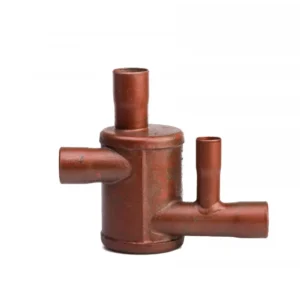
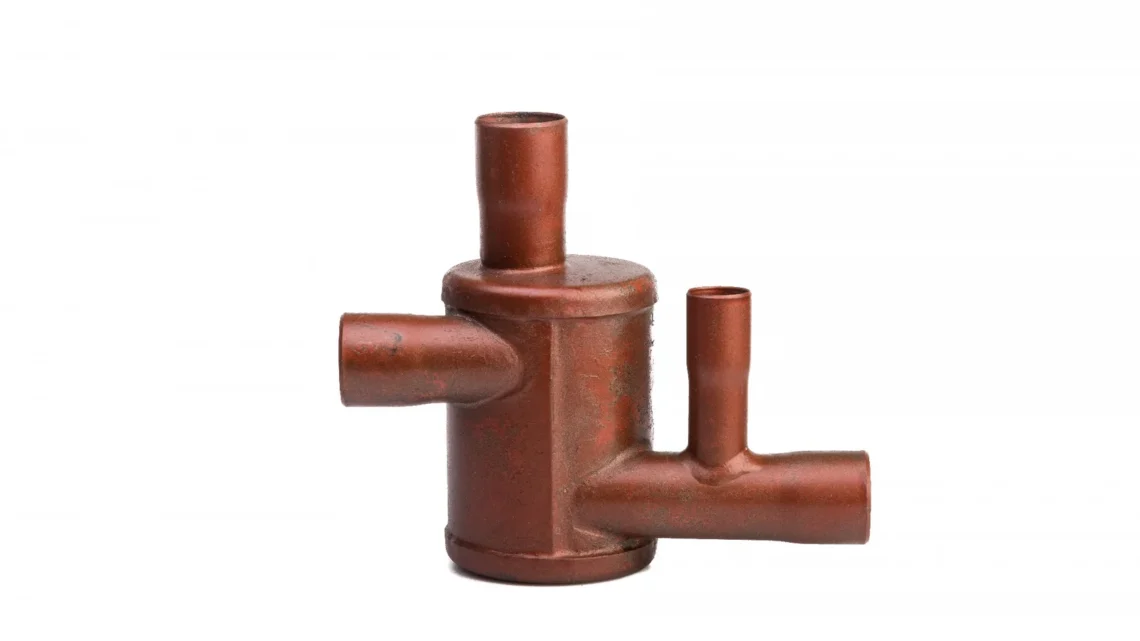
July 27, 2026The Air Separator 22mm with Cold Feed (model AIR22CF) is a small, solder‑in device designed to reduce entrained air in domestic open‑vented (conventional) central‑heating systems. It combines a 22mm main inlet and outlet with a 15mm cold‑feed inlet so make‑up water can be introduced at the same point where air coalesces and can be vented to the feed and expansion cistern.
What this component actually does — and what it won’t do
In simple terms the unit passively encourages tiny bubbles in circulating water to join together into larger bubbles. Those larger bubbles are then able to rise to the highest point and escape through an automatic air vent or be bled off manually. The key outcomes are typically quieter radiators, fewer air‑locks and reduced risk of pump cavitation — all useful in maintaining reliable circulation and avoiding annoying system faults.
Equally important: this is a passive separator, not an active deaerator. It has no moving parts and does not forcibly extract dissolved gases from water. If your system is heavily aerated, contaminated with debris, or suffering from persistent air ingress through corroded components, a passive device like this will be part of the solution rather than a complete fix. You will still need correct flushing, inhibitor dosing and possibly magnetic/powder filtration to control particulates that encourage aeration and noise.
Who should consider the AIR22CF — and who should look elsewhere
Good fit
- Installers and homeowners working on conventional open‑vented systems with copper pipework sized 22mm for the main circuit and 15mm for the cold feed.
- Situations where the feed and expansion arrangement is nearby and it is convenient to combine the make‑up water inlet with the air separation point.
- Projects where space is limited and a compact, low‑maintenance device is preferred (the unit is small and light, approximately 55 × 132 × 116 mm and ~0.207 kg).
- Retrofitting where soldering is acceptable and the installer can access a short section of pipe to sweat the unit in place.
Less suitable or unsuitable
- Sealed (pressurised) systems or combi‑boiler closed systems — the AIR22CF is intended for open‑vented (conventional) arrangements. Don’t assume it is appropriate for pressurised systems without checking manufacturer guidance.
- Installations that use compression fittings exclusively. The product requires soldered 22mm main connections and a 15mm soldered cold‑feed; it is explicitly not suitable for compression fittings.
- Systems operating at unusual temperatures or pressures. The available product information does not publish maximum working pressure or temperature values in the summary; if your installation runs outside typical domestic conditions, confirm compatibility with the supplier.
- Sites needing an active, high‑capacity deaerator or where dissolved gases must be removed at a chemical level — this passive device won’t replace specialist plantroom equipment.
Practical installation and positioning considerations
The AIR22CF is designed to be soldered into 22mm copper pipework with its 15mm cold‑feed also soldered. For most domestic installers this is straightforward, but it does mean you must be comfortable making a sweat joint in line or be prepared to isolate and cut a short section of pipe for replacement. If your system predominately uses compression fittings, expect additional work to modify the run or choose a compression‑compatible alternative.
The datasheet recommends locating the separator between 150 mm and 2,000 mm from the pump. That range matters because the separator relies on a particular flow pattern to encourage bubbles to coalesce; too close to the pump and turbulence may prevent separation, too far and flow conditions change. In open‑vented systems the usual practice is to fit the separator on the return run near the pump or just before the feed and expansion cistern so separated air can be routed to the vent and make‑up water introduced at the same point.
Because the unit is passive and compact you have flexibility about orientation, but it still needs an automatic air vent above the highest internal point so coalesced air can escape. Check the layout before fitting: if the existing vent and F&E cistern are remote, the cold‑feed advantage of this model becomes less useful.
Compatibility checklist for buyers and installers
- Pipe sizes: 22mm main circuit and 15mm cold feed — confirm your pipes match or that you can adapt to those sizes with minimal reworking.
- Connection type: soldered only. Plan the appropriate jointing method and isolation before cutting the run.
- System type: intended for open‑vented (conventional) heating systems. Don’t assume compatibility with sealed/pressurised systems unless you contact the manufacturer.
- Positioning: keep within the recommended 150–2,000 mm from the pump to ensure effective separation.
- Associated components: provide a reliable automatic air vent and consider installing a magnetic/powder filter to reduce particulate‑driven aeration and protect the separator’s effectiveness.
Performance expectations and real‑world capability
The AIR22CF does a straightforward job: it improves the likelihood that bubbles will rise to a bleed point rather than circulate. In a correctly commissioned conventional system you should expect a noticeable reduction in radiator gurgle and fewer intermittent air‑locks. That outcome is more likely where the system has been flushed, inhibitor added and the separator is positioned as recommended.
However, do not expect miracles. Because the separator depends on flow conditions to work, it is less effective if the system has ongoing air ingress (for example, from a leaky header tank or corroded pipework) or if dissolved gases remain in solution due to poor water chemistry. In such cases the separator will help with entrained micro‑bubbles but cannot replace thorough commissioning, leak repair or chemical treatment.
Another pragmatic point: smaller domestic separators have lower throughput and less dwell volume than larger plantroom units. For most single‑dwelling conventional systems this is fine; for larger or unusually complex circuits consider whether a larger unit or supplementary measures are required.
Maintenance and longer‑term ownership
One of the unit’s advantages is simplicity. With no moving parts there is little mechanical maintenance to schedule and nothing that can seize. Routine checks should include confirmation that the automatic air vent is operating correctly and that pipe joints show no signs of leakage. If the system is being flushed or inhibitor added, check that no debris or sludge is accumulating downstream of the separator — adding a magnetic or sediment filter in the system is sensible where corrosion products are expected.
Because the AIR22CF integrates a cold feed, keep an eye on the quality of make‑up water and any potential for contaminants to enter at that point when topping up. If you rely on the unit to be the main vent point, make sure the feed/expansion cistern and vent arrangement above are maintained and free of blockages; the separator’s performance depends on the vent actually allowing air to escape from the system.
Strengths, compromises and limitations summarised
Strengths
- Compact, lightweight and straightforward to fit for solder‑ready copper pipework.
- Integrates a 15mm cold‑feed inlet, simplifying layouts where make‑up water and venting are co‑located.
- Passive design means low maintenance and no moving parts to fail.
Compromises and limitations
- Not suitable for compression fittings — requires soldered joints.
- Intended only for open‑vented systems; do not assume suitability for sealed/pressurised systems without confirmation.
- Does not replace system flushing, inhibitor dosing or magnetic filtration where those measures are required to tackle the root causes of aeration and corrosion.
- Manufacturer data shown does not list maximum working pressure or temperature in the brief summary; if you work outside typical domestic parameters, clarify with the supplier.
Value and buying considerations
The AIR22CF is positioned as an economical, practical accessory for conventional domestic heating systems. Its small size and integrated cold feed make it a cost‑effective way to add air separation where space and budget are limited. When evaluating value, weigh the purchase against the alternatives: a larger active deaerator, a magnetic/powder filter or a system rework to eliminate sources of air ingress. In many retrofit and new conventional installations, a small passive separator combined with good commissioning offers a strong return in terms of reduced noise and fewer service call‑outs.
Before buying, confirm the pipe sizes and jointing method on site, and check whether the existing system layout benefits from the built‑in cold feed. If an installer is quoting, ask them to confirm placement relative to the pump and to include any extra labour to modify joints if your installation uses compression fittings.
Practical scenarios illustrating likely outcomes
Scenario 1 — typical family house with open‑vented system: Installed on the return near the pump and vented to the F&E cistern, the AIR22CF will typically reduce radiator gurgle after commissioning and make further top‑ups easier because the cold feed sits at the same point as the separator.
Scenario 2 — older system with significant sludge and corrosion: The AIR22CF can help with entrained bubbles but is unlikely to cure persistent noise or flow problems alone. A comprehensive flush, inhibitor treatment and a magnetic filter should be considered first; the separator then acts as a useful secondary measure.
Scenario 3 — sealed system or combi: This model is not intended for sealed systems. Attempting to adapt it without confirming pressure ratings and design intent risks malfunction or incompatibility.
Conclusion — who should buy this, and when to pass
For installers and homeowners working on conventional open‑vented domestic systems with 22mm copper pipework, the AIR22CF is a sensible, low‑maintenance option to reduce entrained air and simplify make‑up water entry. Its strength lies in being compact, passive and easy to integrate where soldering is acceptable and the feed and vent are nearby.
Do not choose it if your system is sealed/pressurised, primarily uses compression fittings, or if your problem stems from heavy contamination or dissolved gases that need active deaeration. In those cases you should investigate alternative devices, corrective maintenance (flushes and inhibitor), or specialist deaerators and filters.
In short: consider the AIR22CF when you need a tidy, cost‑effective air separator for a conventional copper system and accept that it is one part of a properly commissioned and maintained heating circuit rather than a universal cure for all air‑related faults.
Latest product offer
Ready to check Air Separator 22mm With Cold Feed?
Check the latest product page, price and offer details before buying.