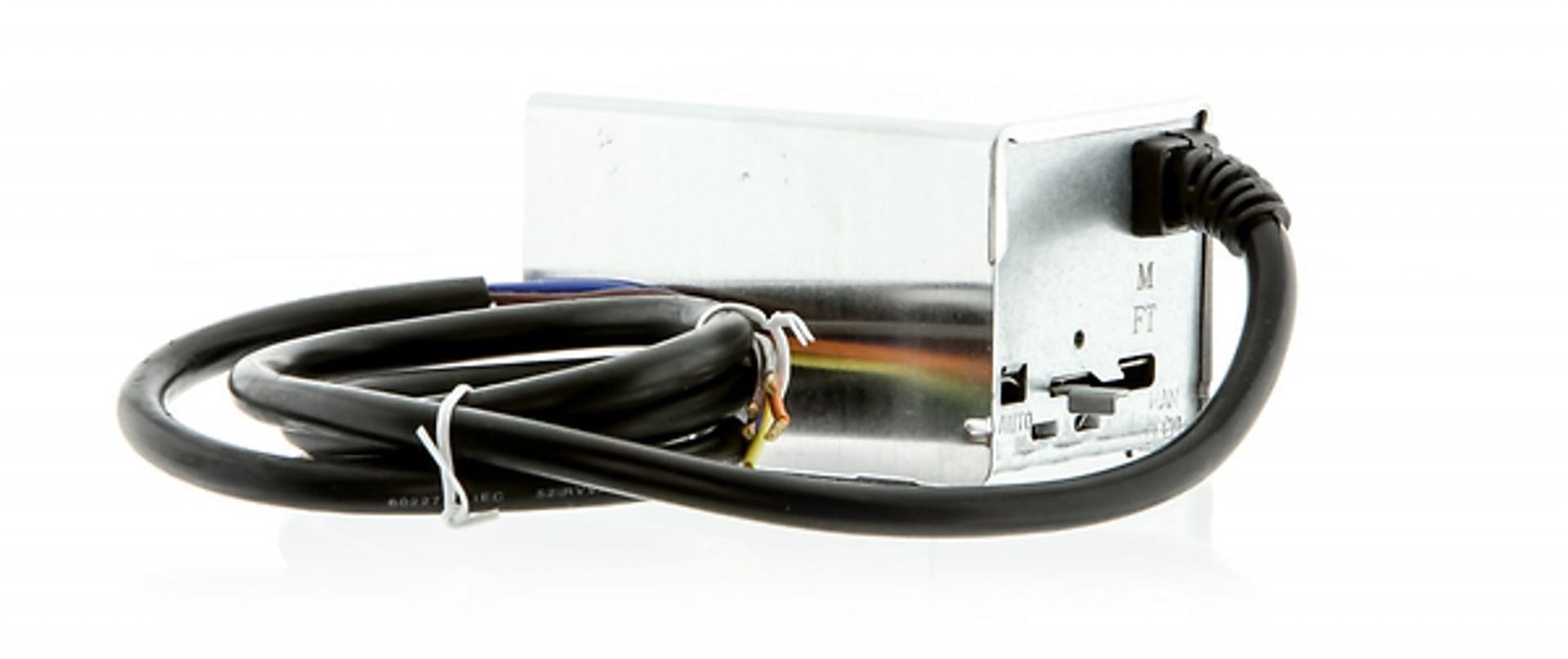
Description
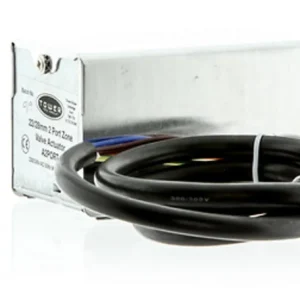
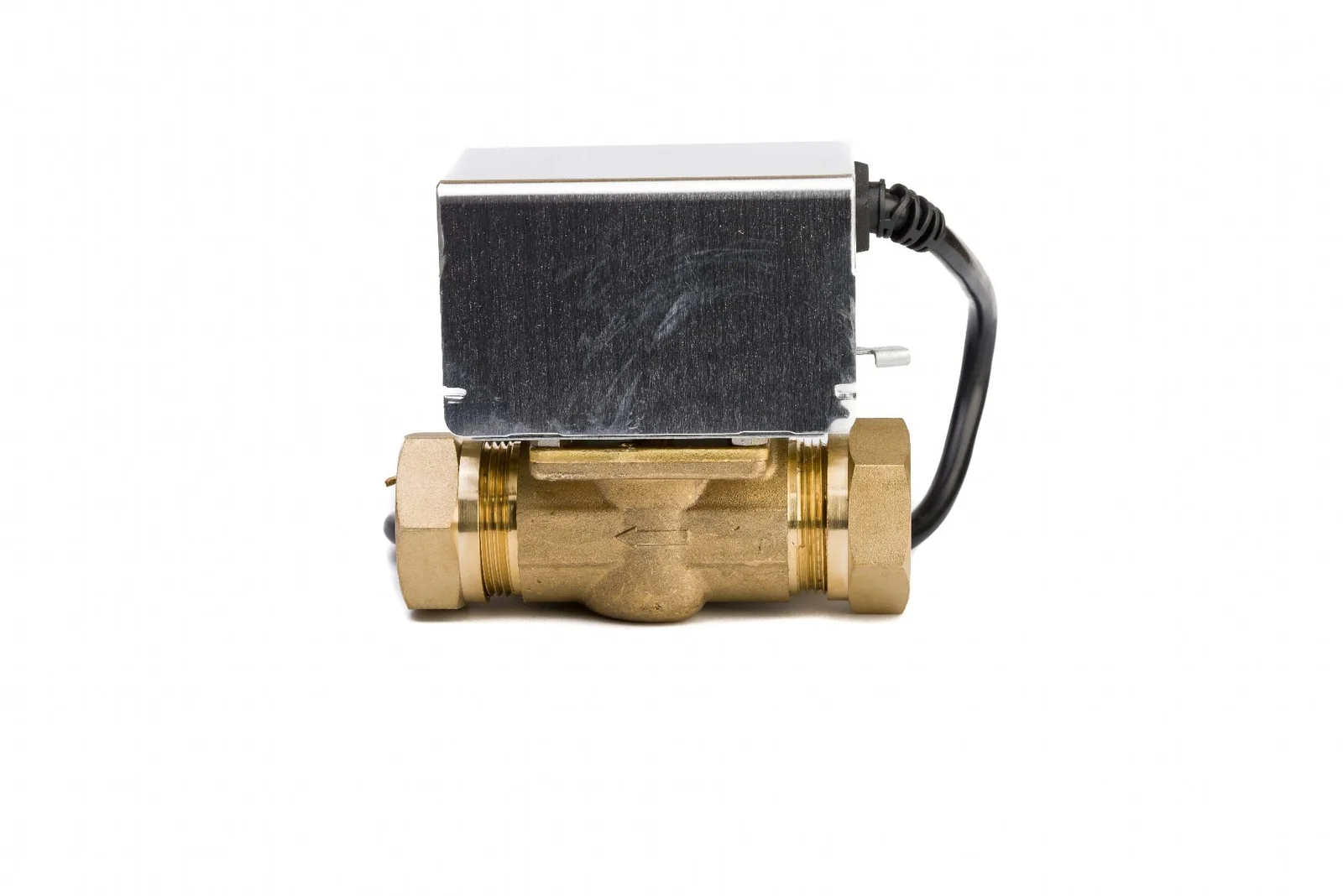
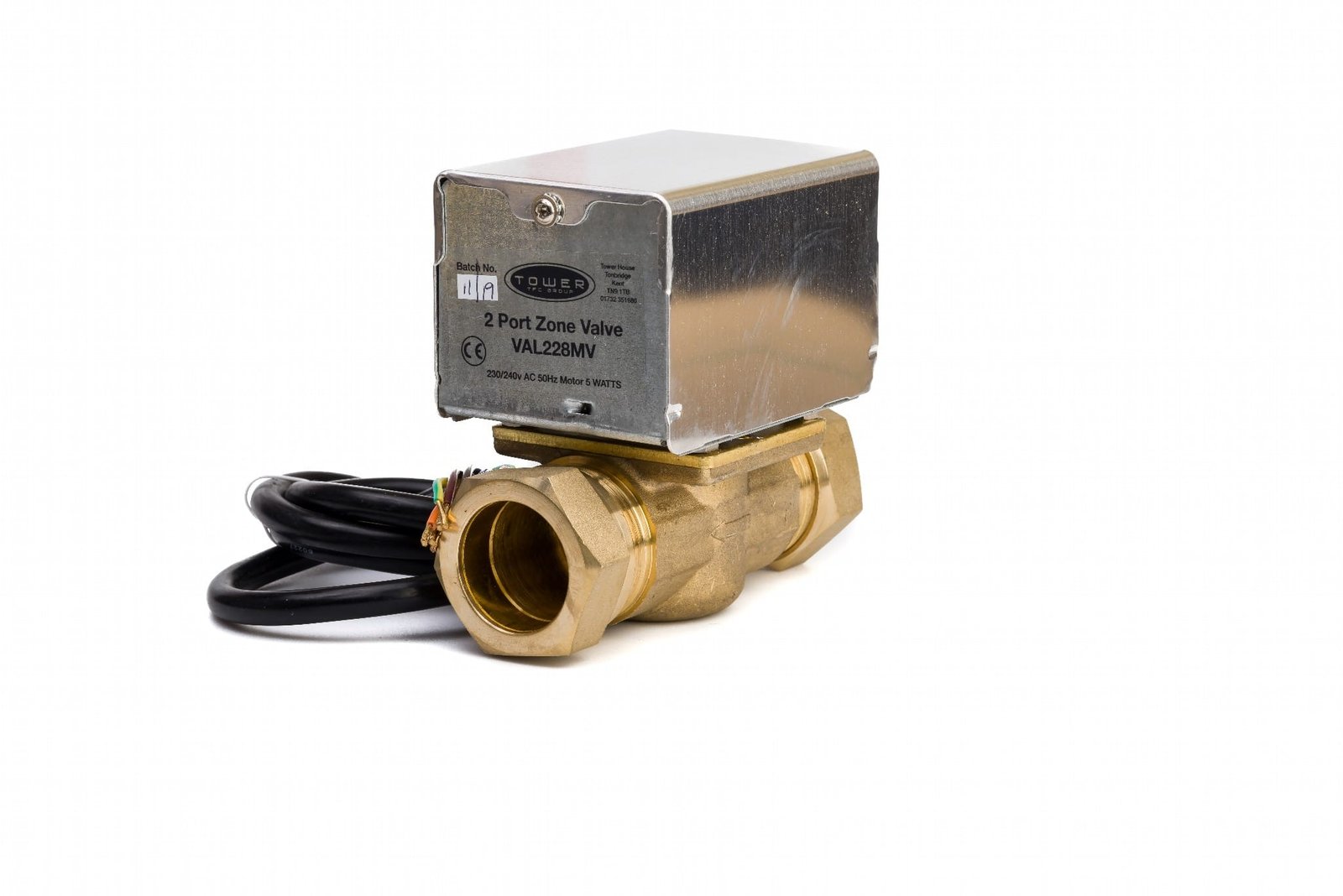
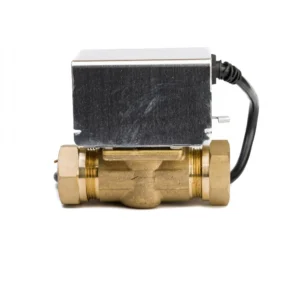
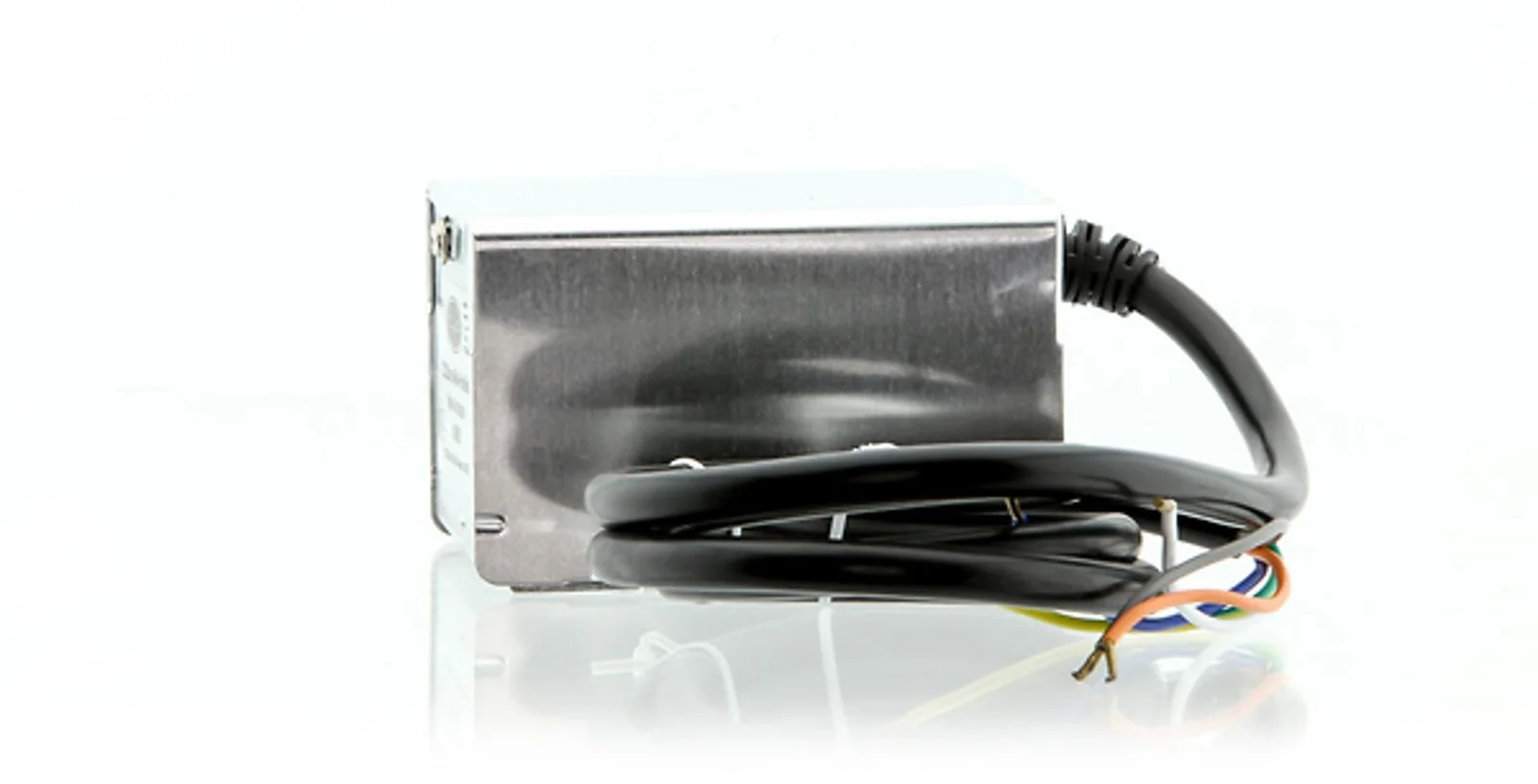
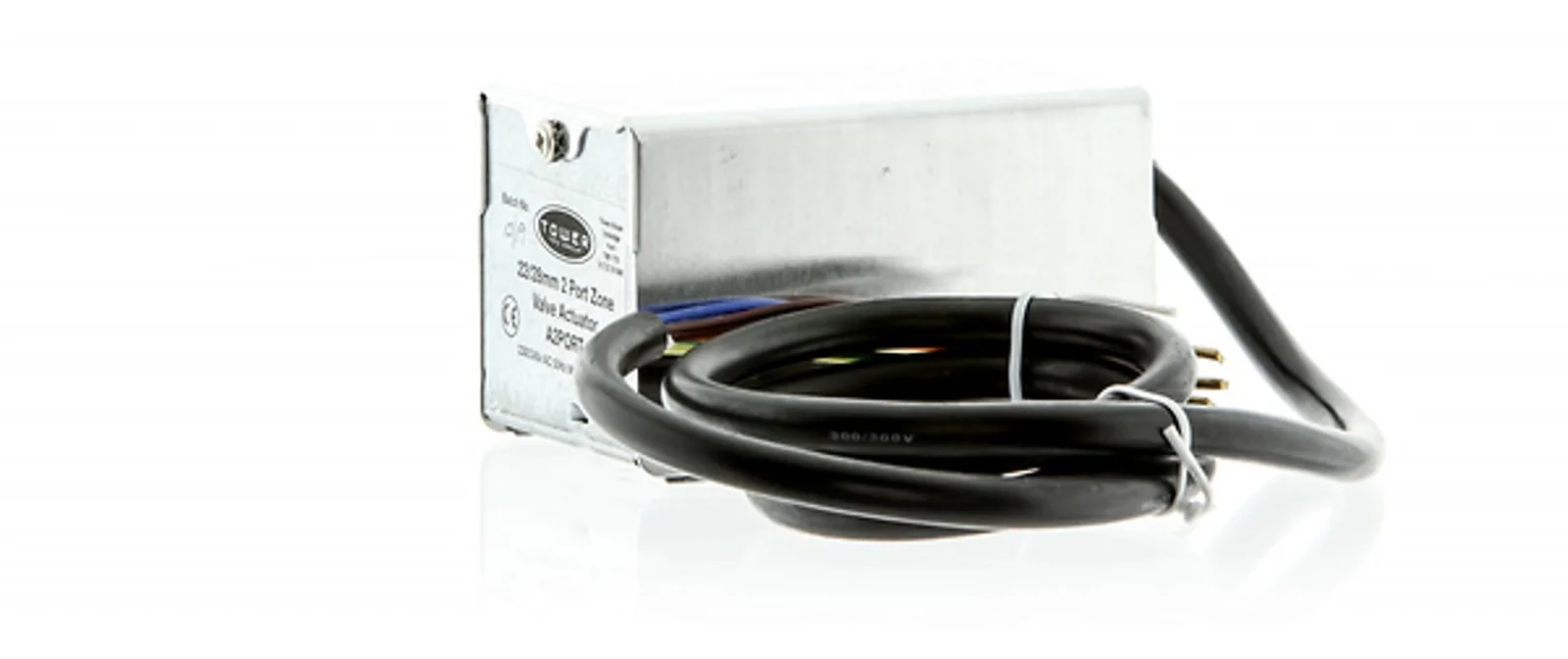
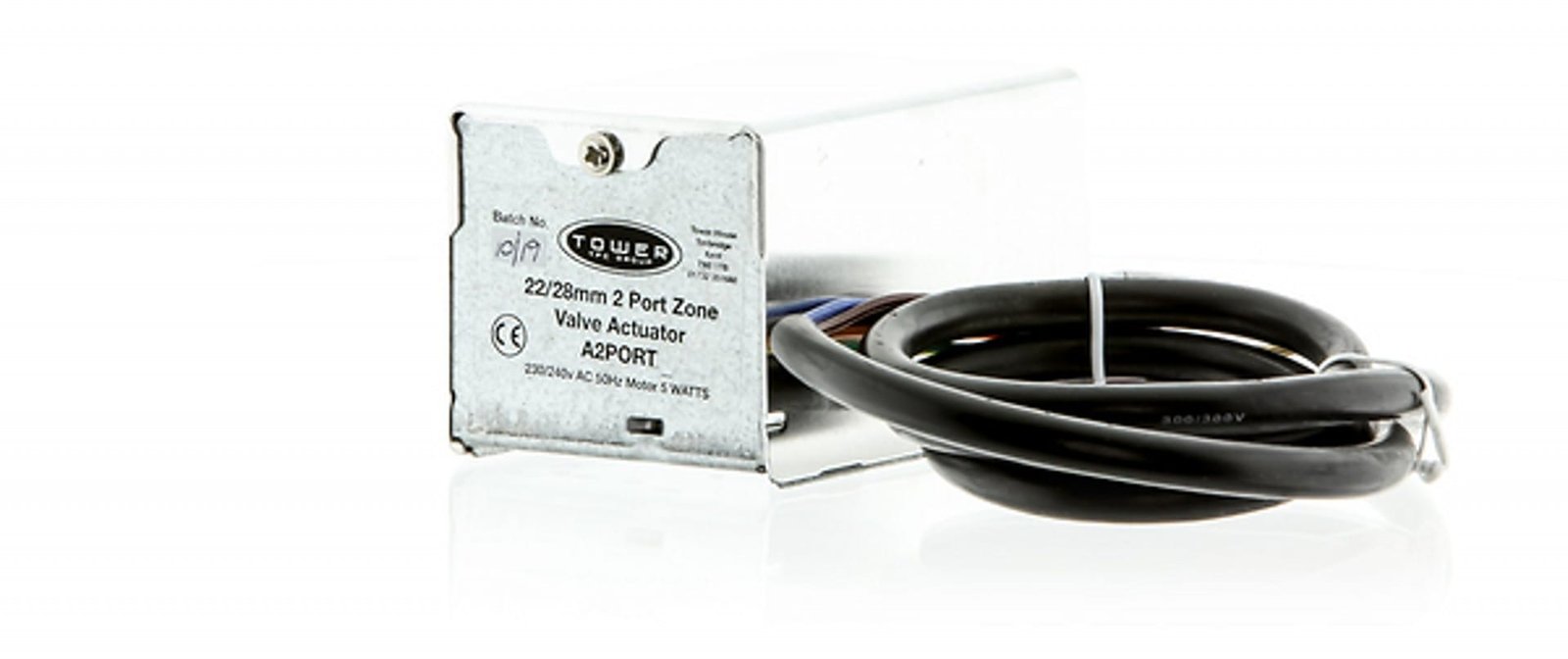
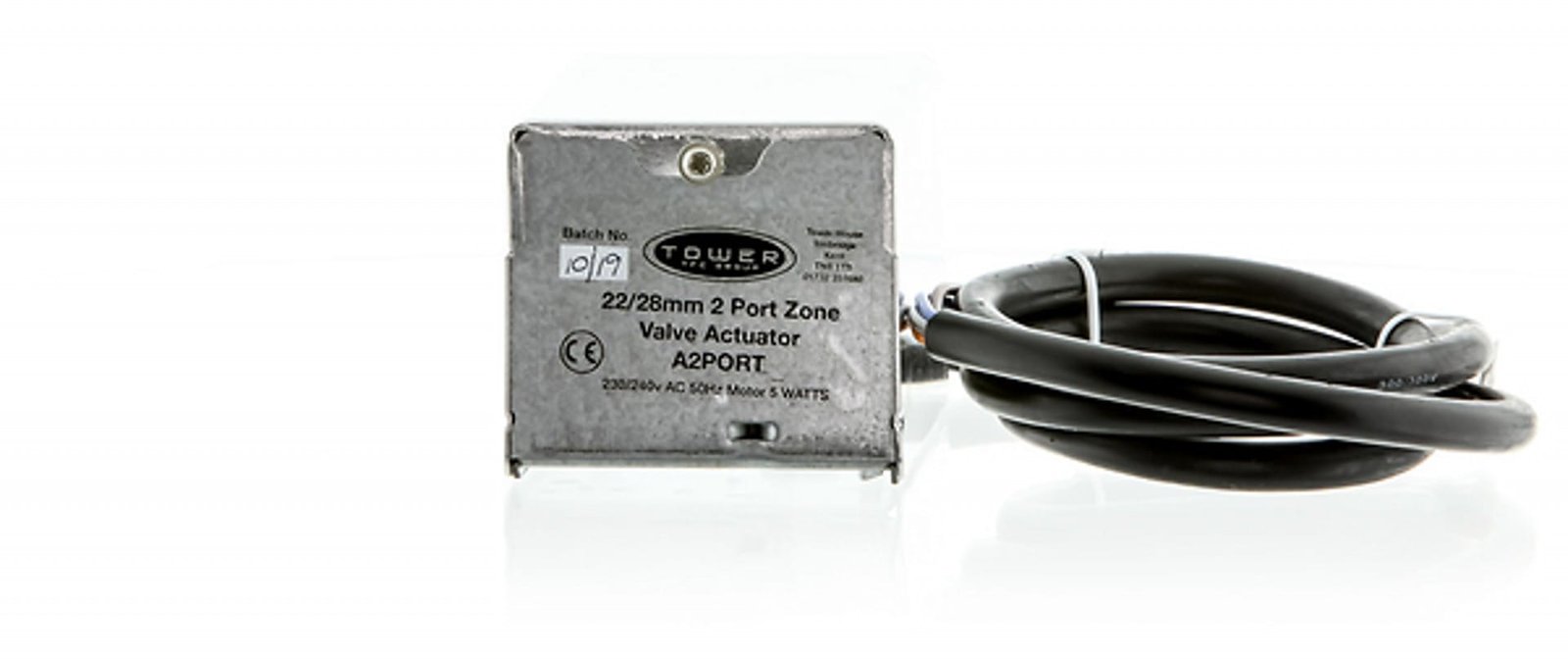
This is the A2PORT replacement actuator head made for Tower two‑port motorised zone valves. It’s a compact, synchronous‑motor driven actuator with a built‑in spring return so the valve returns to the closed position if power is lost. The unit is intended as a direct replacement for the removable actuator on Tower VAL222MV (22mm) and VAL228MV (28mm) valve bodies and is intended to be swapped without draining the heating system.
In practical terms the A2PORT lets a room thermostat or central programmer operate the valve that controls flow to a heating zone or indirect hot water cylinder. The actuator contains the motor, an auxiliary switching contact and a manual override lever for commissioning and testing, so it reinstates the original control functions of the valve body without replacing the pipework.
Key specifications
- Supply: 220–240 V AC, 50 Hz
- Motor type: synchronous motor with spring return
- Auxiliary switch: fitted (switch rating 3 A resistive)
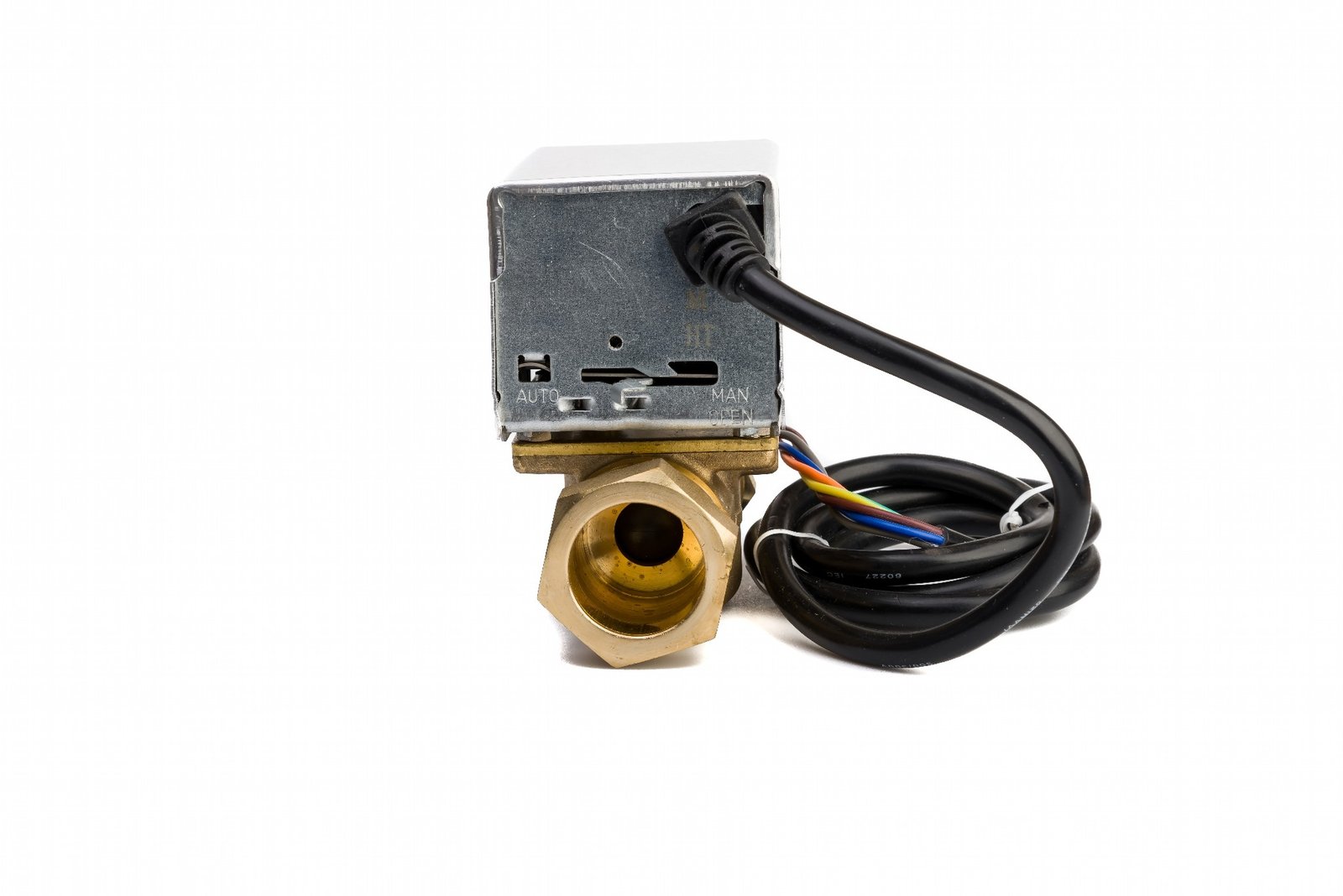
- Cable: 1 m, 5‑core flex (industry standard cable colours)
- Product code: A2PORT — designed to fit VAL222MV / VAL228MV
- Dimensions & weight (manufacturer data): approx. 60 × 85 × 60 mm; 0.477 kg
How it works and what the spring return means
The actuator sits on the top of the valve body and turns the valve spindle when it is energised. Because it uses a synchronous motor with a spring return, the running motor opens the valve while the spring returns it to closed position as power falls away. That behaviour is standard on two‑port valves used for zone isolation because it fails safe: loss of mains or controller power leaves the valve closed rather than stuck open.
Compatibility and simple checks before you buy
Physically the A2PORT is intended specifically for Tower two‑port valves VAL222MV (22mm compression) and VAL228MV (28mm compression). These valve bodies are designed with a removable actuator head, and the replacement head is engineered to sit on the same mounting and use the same spindle drive so the swap normally avoids disturbing the plumbing. If you have a valve of a different brand, the fit may be the same, but always check spindle shape, diameter and mounting screw positions. When in doubt, compare the part code on your existing actuator or consult an installer — replacing a non‑matching head can damage the valve spindle.
Installation, wiring and practical notes
Installation is a straightforward mechanical swap for an experienced DIYer or a heating engineer: isolate the mains supply, remove the actuator cover/fasteners, lift the old actuator off the valve head and fit the replacement. The A2PORT comes with a 1‑metre 5‑core flex wired with industry standard colours to make reconnection simple. The auxiliary (end‑stop) switch is useful for signalling a controller or for wiring wet‑heater interlocks, but note the switch is rated only at 3 A resistive. That rating means the actuator’s auxiliary contact is suitable for signalling low current control circuits only — do not use the contact to directly switch high current loads or mains pumps without a proper switching relay or contractor.
The unit includes a manual override lever so you can open the valve during commissioning or diagnostic work. Take care to restore the lever to automatic operation afterwards. Also bear in mind the fixed 1 m cable may be short for some cupboard or cylinder locations; you can extend the wiring in accordance with wiring regulations but the mains must be isolated and extensions must use suitable cable and connectors.
Advantages and limitations
- Advantages: cheap, purpose‑built replacement that refits the original Tower valve bodies without draining the system; simple wiring and manual override; spring‑return for fail‑safe closure.
- Limitations: auxiliary contact and switch rating are low (3 A resistive) so not suited for switching heavy loads directly; the short built‑in cable may require extension in some installations; designed for specific valve bodies — confirm mechanical fit before buying.
Overall, the A2PORT is a pragmatic spare‑parts solution if the actuator head on a Tower VAL222MV/VAL228MV valve has failed. It restores the original control arrangement with minimal disturbance to pipework and is a common component to keep on van stock for maintenance work. If you need to change the valve body itself, or if your system requires a different power or switch rating, you should replace the complete valve assembly or select an actuator specified for the higher electrical load.