
Description
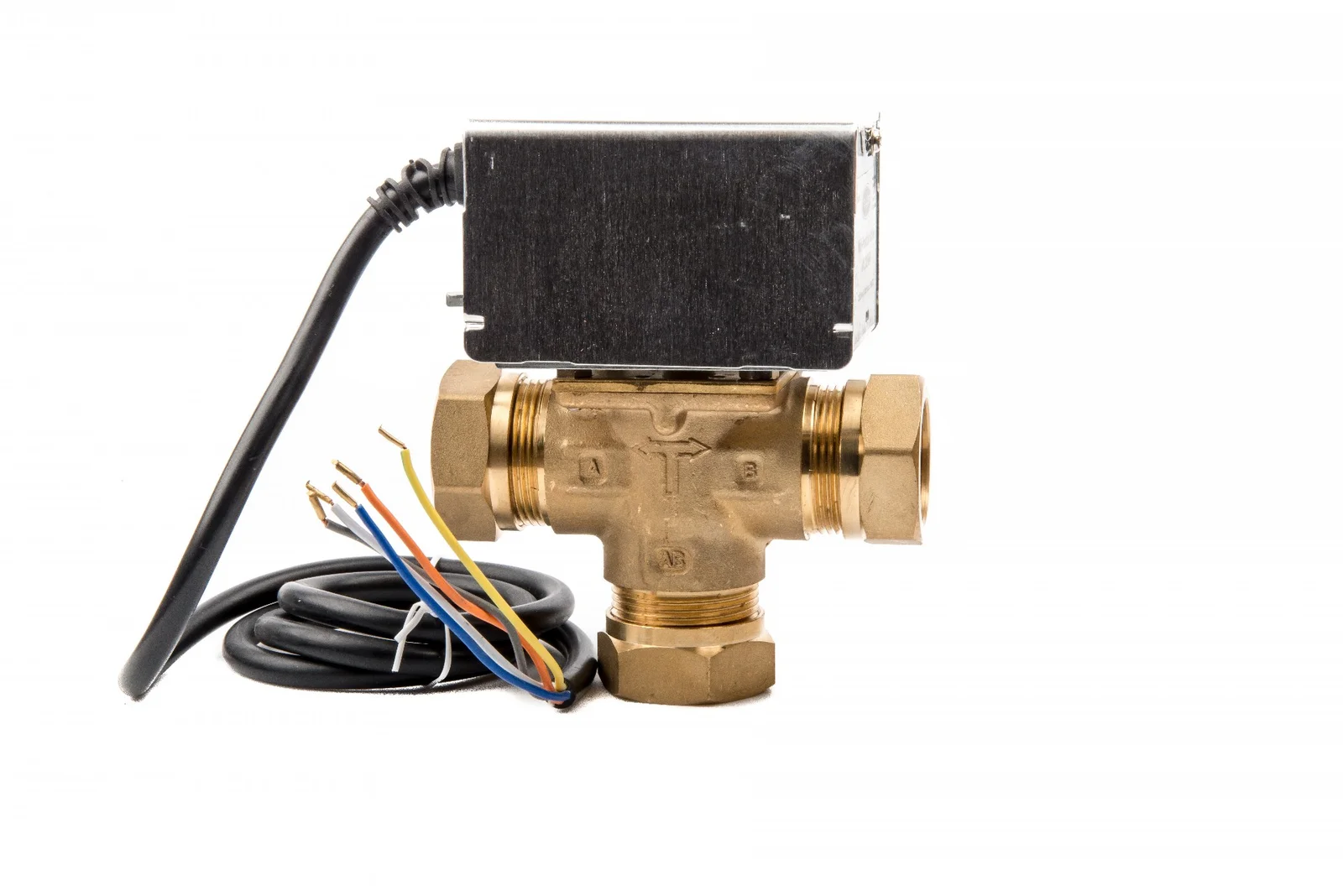
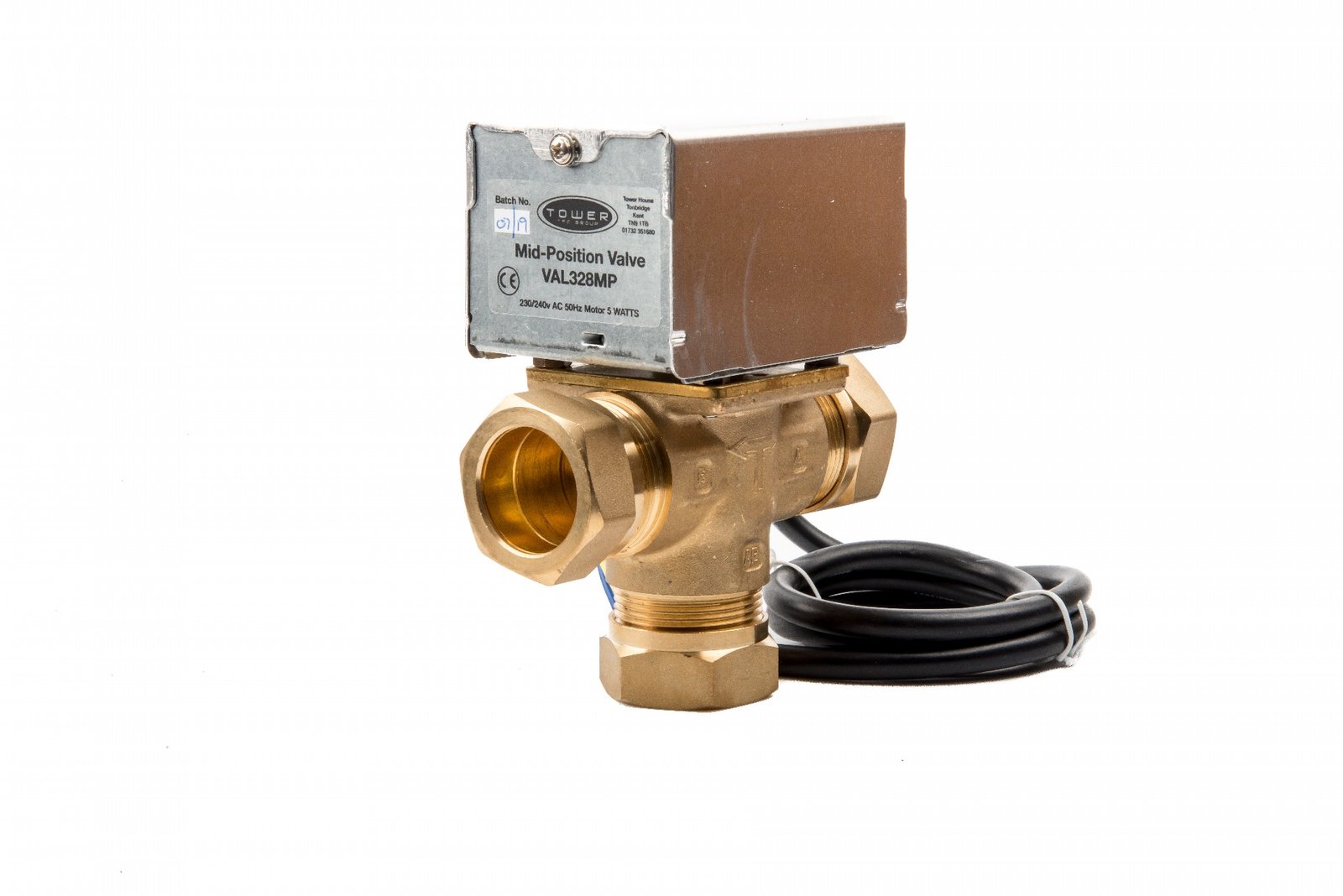
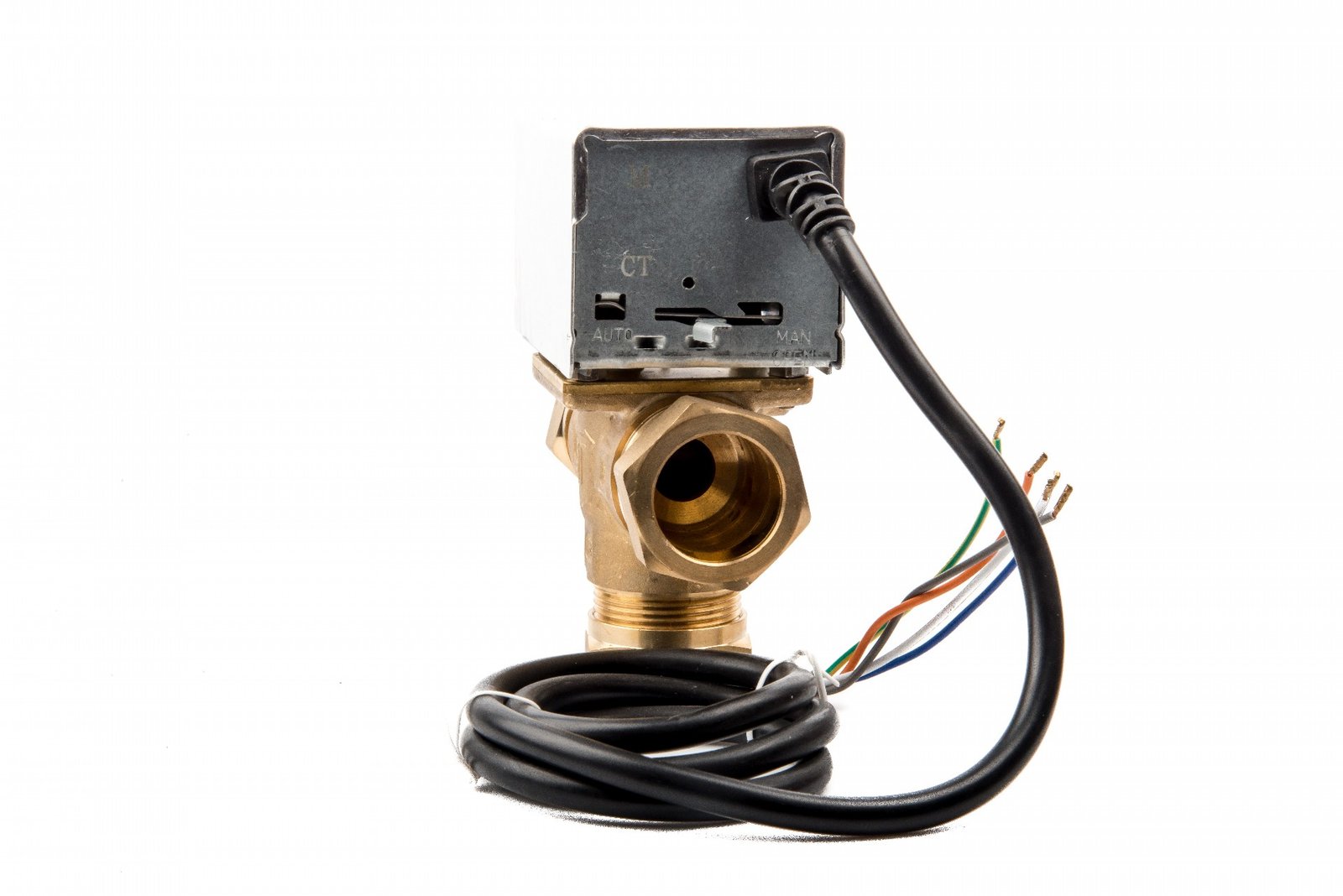
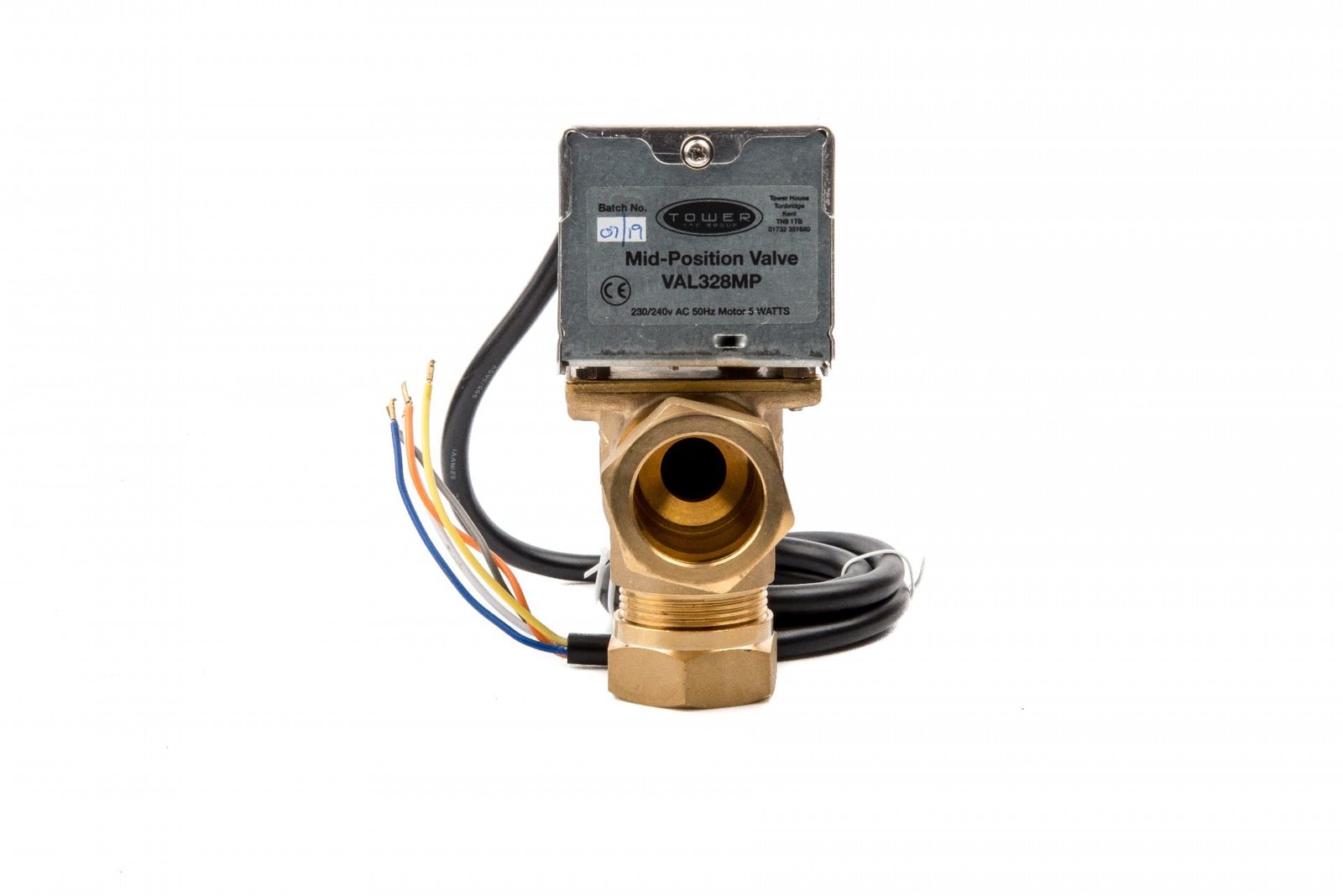
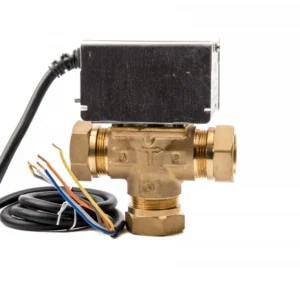
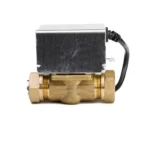
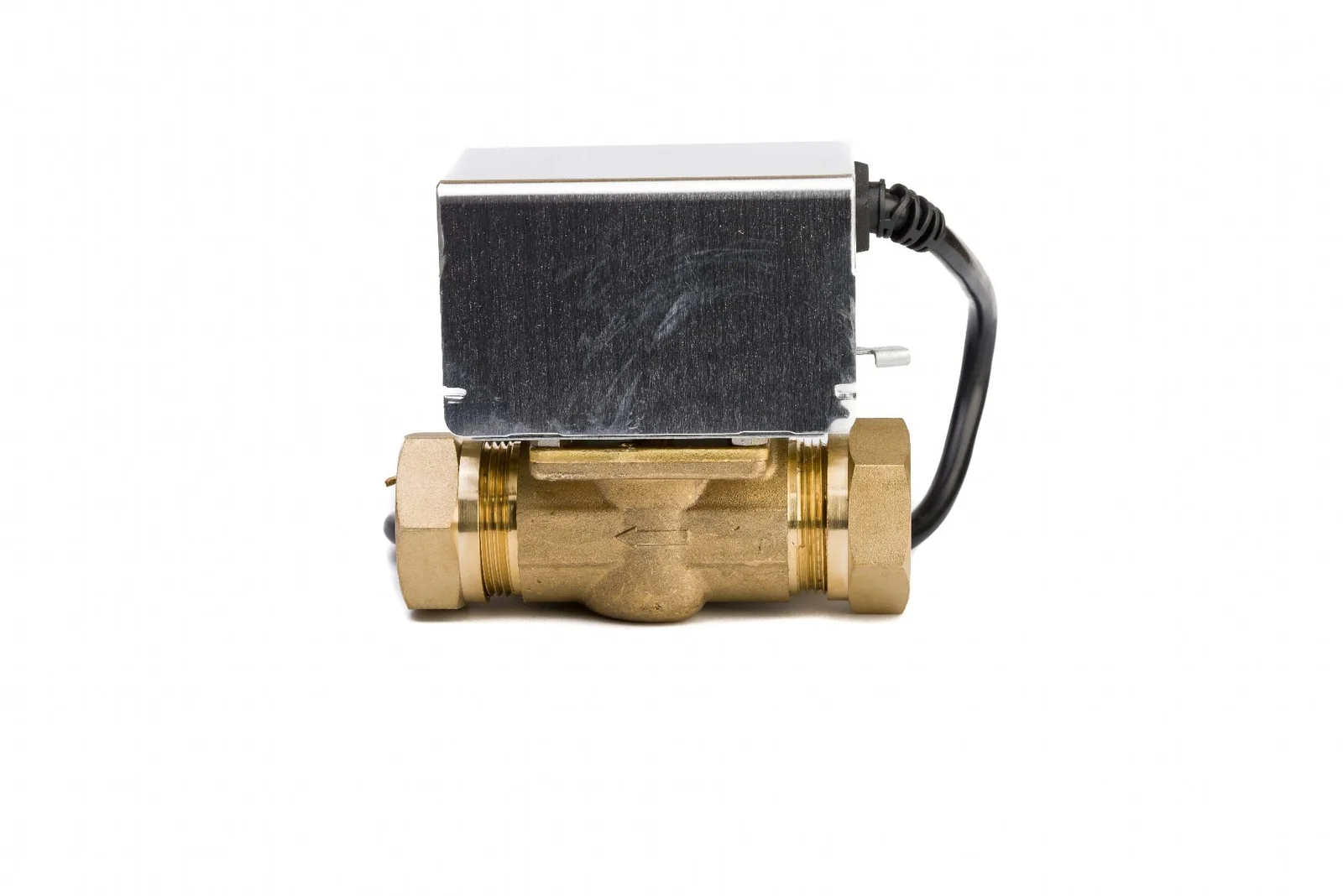
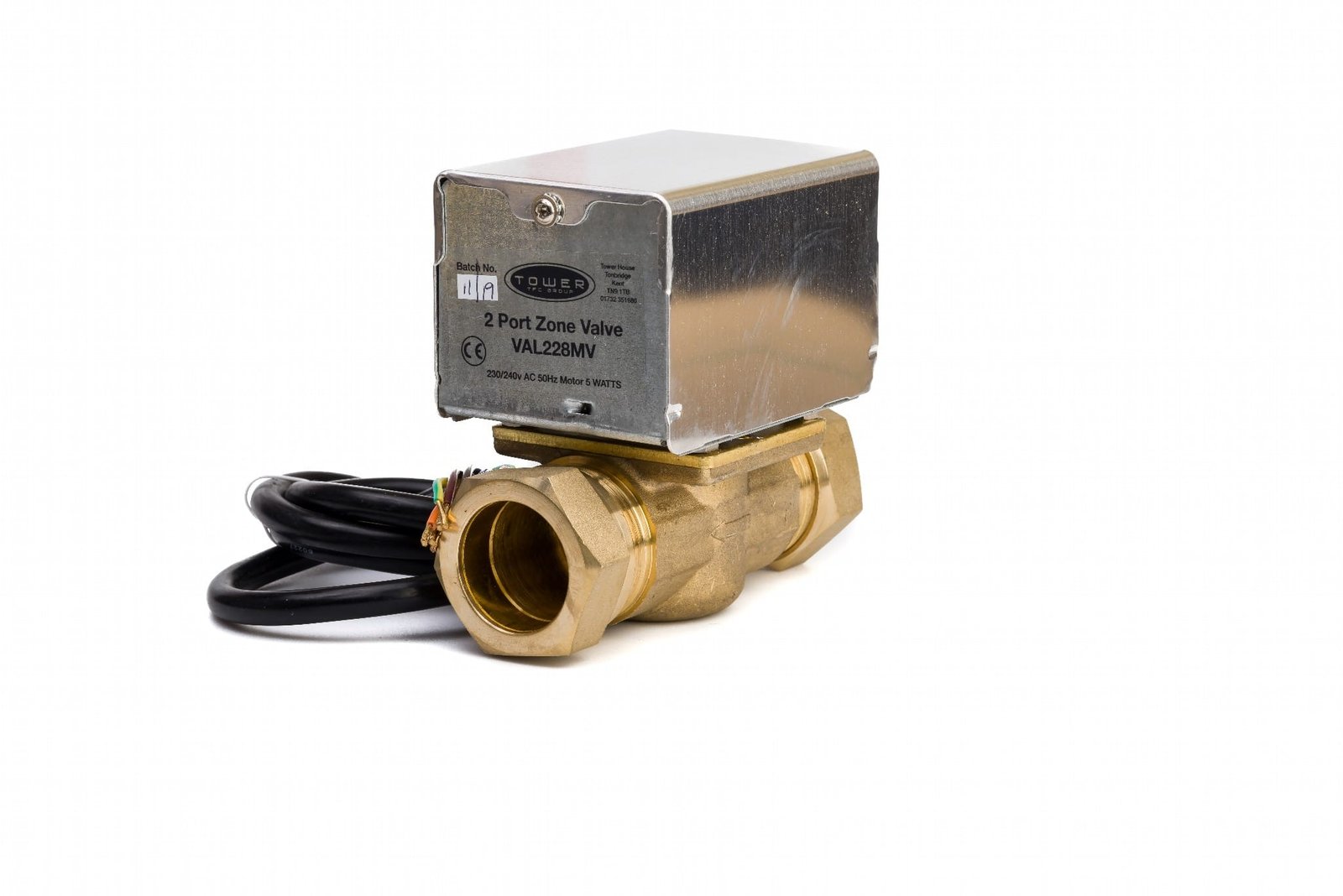
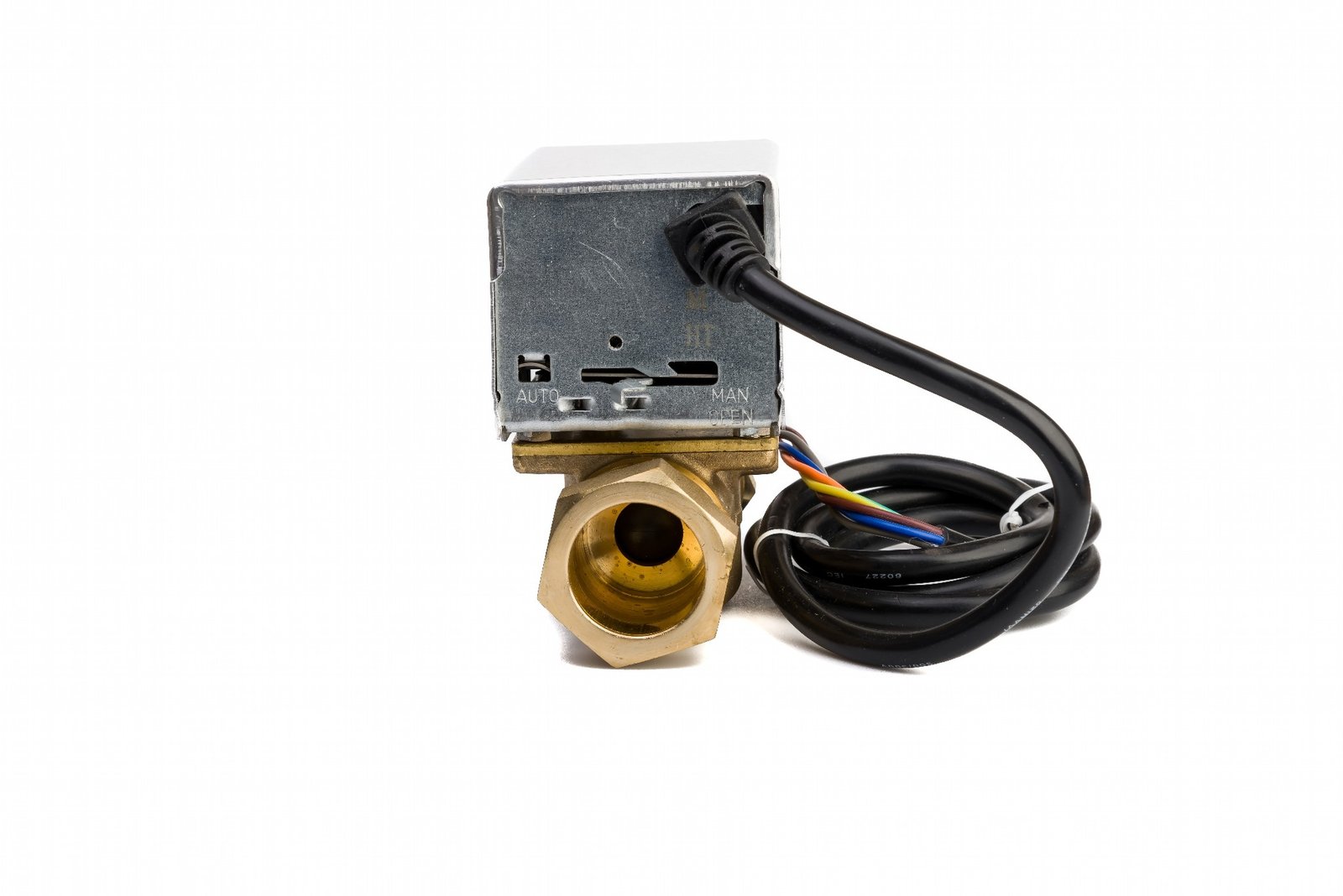
This is a straightforward 2‑port motorised zone valve intended for conventional central heating and hot‑water circuits. Mechanically it fits 28mm pipework using supplied compression fittings; electrically it runs from standard mains (220–240V AC, 50Hz) and uses a synchronous motor with a spring return so the valve closes when power is removed. The valve includes an integral SPST auxiliary (end‑switch) and a manual AUTO/MAN lever for commissioning and venting.
In practice the VAL228MV is the kind of part an installer uses when they want reliable zoning without complicated electronics: a room thermostat or programmer supplies the live to the valve, the motor opens the port and the end switch confirms the valve is fully open so the boiler/pump can run. The actuator is replaceable without draining the system, and the unit is built to the common industry wiring and colour conventions so it’s easy to wire into existing wiring centres and control layouts.
Key specifications
- Pipe size: 28mm compression fittings
- Supply voltage: 220–240V AC, 50Hz
- Power consumption: 6 W
- Auxiliary switch: SPST, switch rating 3 A (resistive)
- Cable: 1 m, 5‑core flex (standard colours)
- Operating temperature range: +5°C to +88°C (fluid); max fluid temperature 100°C
- Max. differential pressure: 1.0 bar; max. static pressure: 10.0 bar
- Dimensions (approx): 115 × 75 × 110 mm; weight ~0.895 kg
How it works and where it fits
The VAL228MV is a two‑way (2‑port) valve: when the actuator receives mains power it turns and holds the port open against a spring; when power is removed the spring closes the valve. That behaviour suits simple on/off zoning where you want a given radiator bank or hot‑water circuit to be either supplied or isolated. The built‑in auxiliary end switch provides a confirmation contact to start the boiler or circulating pump only once the valve is fully open — a small but important detail that prevents the boiler from firing when the valve is still travelling.
The valve is aimed at domestic and light commercial systems where a 28mm connection is the right size for the circuit. It’s commonly used to separate hot‑water and central‑heating flows on fully pumped systems, or as a replacement part for older installations using the same control conventions.
Installation and wiring notes
The unit follows industry standard wiring colours and the installation guide shows the typical connections: brown = permanent live, blue = neutral, orange and grey = end‑switch contacts, green/yellow = earth. Because it’s a mains‑powered control device all electrical work should be carried out by a competent electrician and the valve must be earthed. The manufacturer explicitly notes the valve should be held by the body wrench flats when fitting so the actuator is not used for leverage — over‑tightening or levering on the actuator can damage the head.
Practical points to check before you buy or fit: the cable is 1 metre long, so confirm that is enough reach to the wiring centre; the auxiliary switch is rated at 3 A resistive, which is fine to switch a boiler interlock or a relay but not suitable for directly switching larger loads; and the maximum differential pressure of 1 bar means the valve is for ordinary zone control rather than high‑pressure industrial applications.
Advantages, limitations and useful compatibility reminders
Advantages of this valve are simplicity and serviceability. The actuator is replaceable without draining the system, there’s a manual override for commissioning and venting, and the build conforms to common wiring and plumbing practices so it’s easy to swap into existing systems. At around 6 W motor draw it is energy‑light in use.
Limitations are mostly about scope: it is a simple on/off 2‑port spring‑return device, not a mid‑position or proportional valve. If you need to blend flows (for example, to modulate temperature) you should look at a mid‑position valve or a dedicated modulating actuator. Also, the end‑switch capacity is modest — if you intend to switch a pump or a boiler directly check the current draw or use a relay rated for the pump/boiler load.
Where it will work best: domestic and small commercial fully pumped heating systems where 28mm pipework is used and a basic central‑heating/hot‑water zoning function is required. It’s also a practical, lower‑cost replacement for legacy valves that use the same wiring conventions.
Finally, the valve carries sensible installation warnings in its paperwork: all electrical connections must comply with regulations, the valve must be earthed, and the actuator should be used only for manual commissioning rather than as a lever when plumbing. If you’re unsure about wiring or compatibility with your boiler controls, speak to a heating engineer — wrong wiring or overloading the end switch are the most common causes of failures with this type of component.