


Description
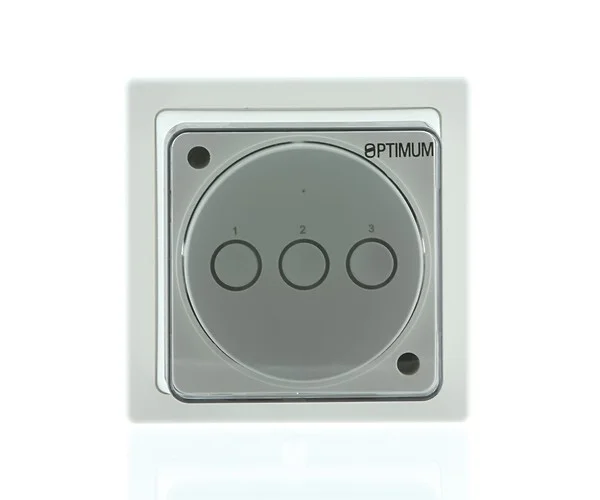
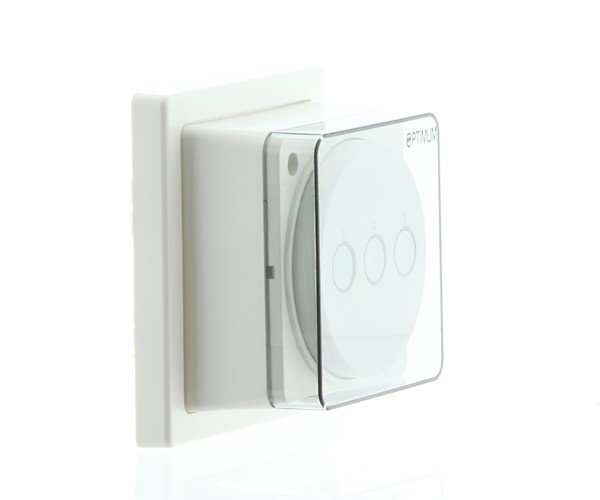
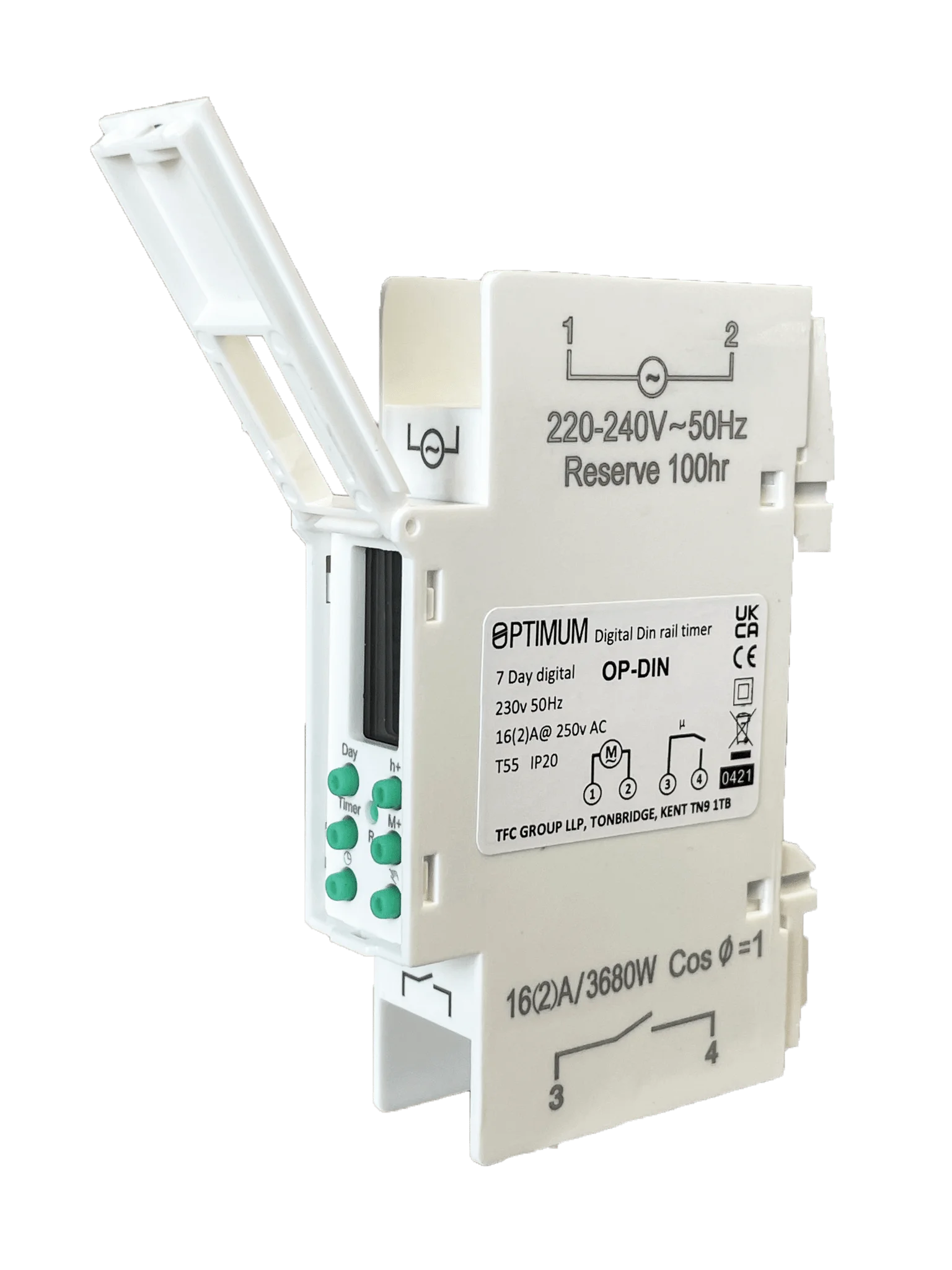
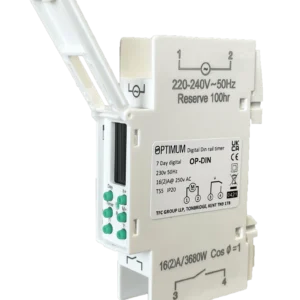
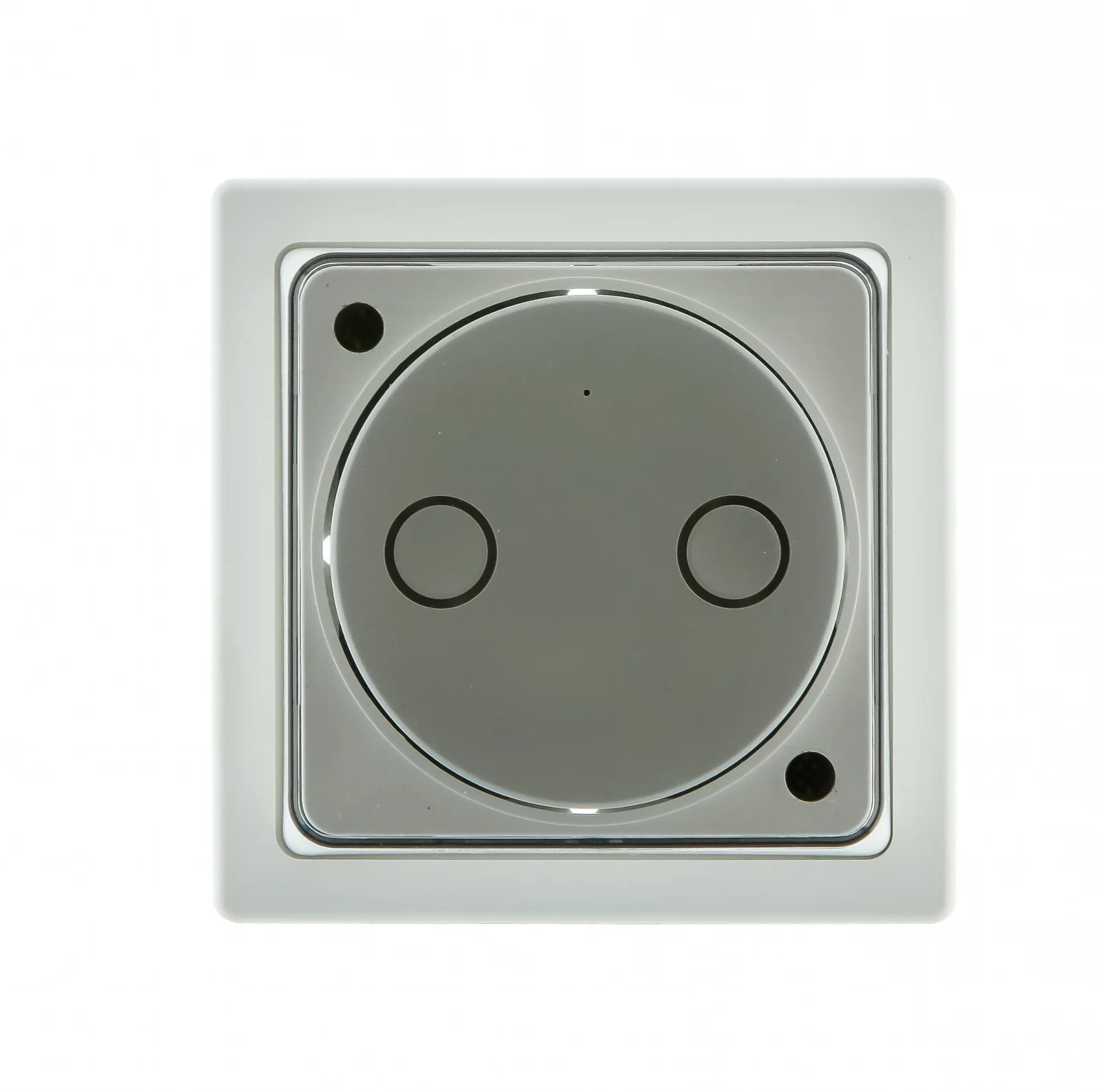
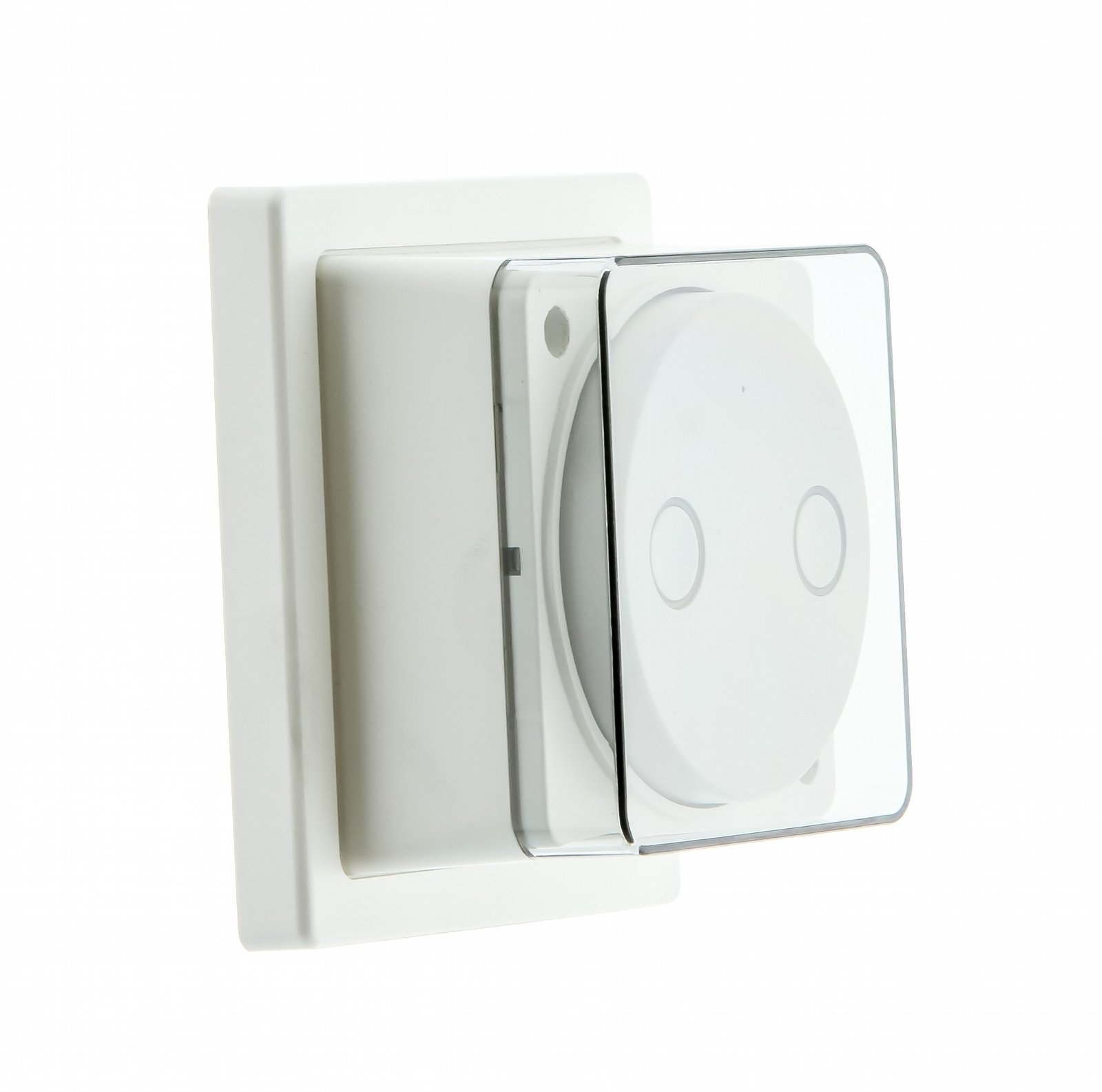
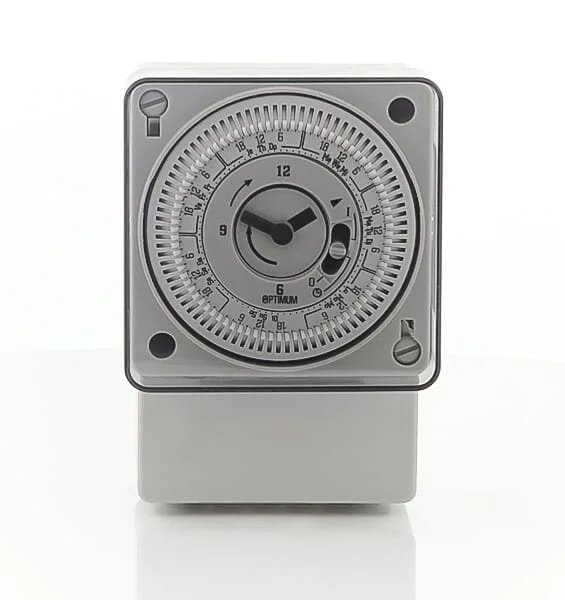
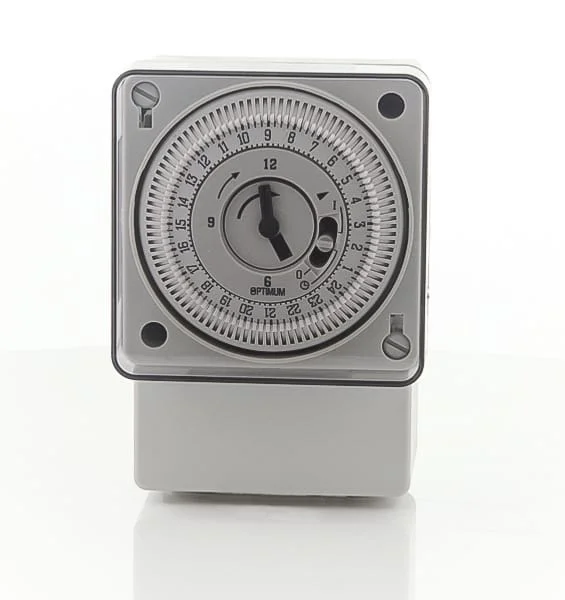
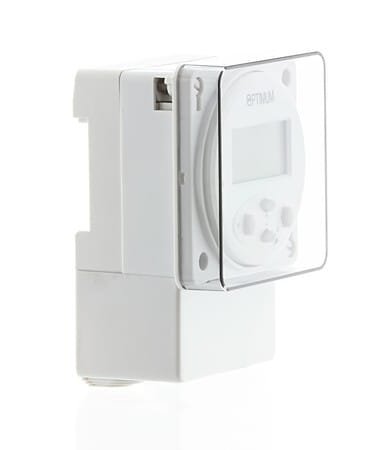
The OP‑TS371.1 is a compact, general‑purpose digital timeswitch intended for routine on/off scheduling of mains‑voltage equipment in domestic and light commercial installations. It offers both 24‑hour and 7‑day programming modes, a volt‑free changeover contact and a handful of manual override options, which makes it useful where you need reliable, deterministic control of heating circuits, pumps, valves, fans or any device that can be switched through a relay.
Operation is straightforward: you set the current time and create up to 24 on/off events across the day or week, then leave the unit to follow that programme. There’s an internal clock with a two‑month backup at typical room temperature and a selectable random mode that shifts switching times by up to ±28 minutes to make lighting patterns look less predictable.
Key specifications
- Supply: 220–240 V AC, 50 Hz
- Load: volt‑free changeover contact — 16 A resistive, 4 A inductive (cos Ø 0.6)
- Programmable periods: up to 24 on/off events (24‑hour or 7‑day)
- Accuracy: ±2.5 seconds/day; running reserve: c. 2 months at 20 °C
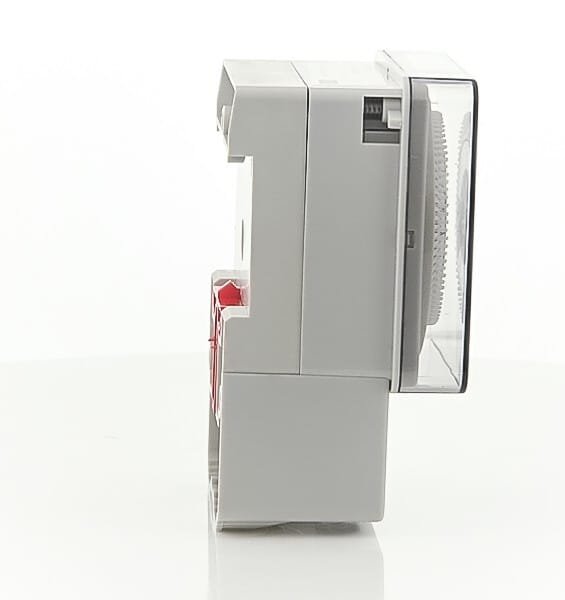
- Dimensions: 105 × 72 × 55 mm; weight ≈ 160 g
- Mounting: surface, panel or DIN‑rail
- Protection/class: Class II control, IP20; minimum switching interval 1 minute
How it’s used and what it can control
This timeswitch is aimed at installers and end users who need a simple, reliable timetable for switching mains equipment. Typical uses are central‑heating zone control, bathroom or corridor lighting (via a contactor if required), circulating pumps and extraction fans. The volt‑free changeover contact means the timer itself does not supply the switched load — it provides a dry contact that closes or changes state to control an external circuit or relay.
Because the unit is rated to switch 16 A resistive and 4 A inductive loads, it can directly control many resistive heaters and small motors. However, for inductive loads, or for modern lighting types, installers commonly use the timeswitch to drive a contactor rather than switching directly; this protects the timer and ensures long‑term reliability.
Programming and everyday operation
Programming is carried out from the front‑panel buttons and an LCD. You can build daily schedules (same programme every day) or bespoke programmes for each day of the week. The device has a minimum switching slot of one minute and supports multiple manual override states — fixed on, timed, fixed off, random and countdown — so you can temporarily change behaviour without erasing the stored programme.
The random mode is a practical security feature for lighting: when enabled it varies scheduled on/off times by up to around 28 minutes either side of the set point to simulate occupancy. The internal clock is precise to a few seconds per day and a non‑volatile reserve ensures the programmes survive a power interruption for around two months at room temperature.
Installation and practical cautions
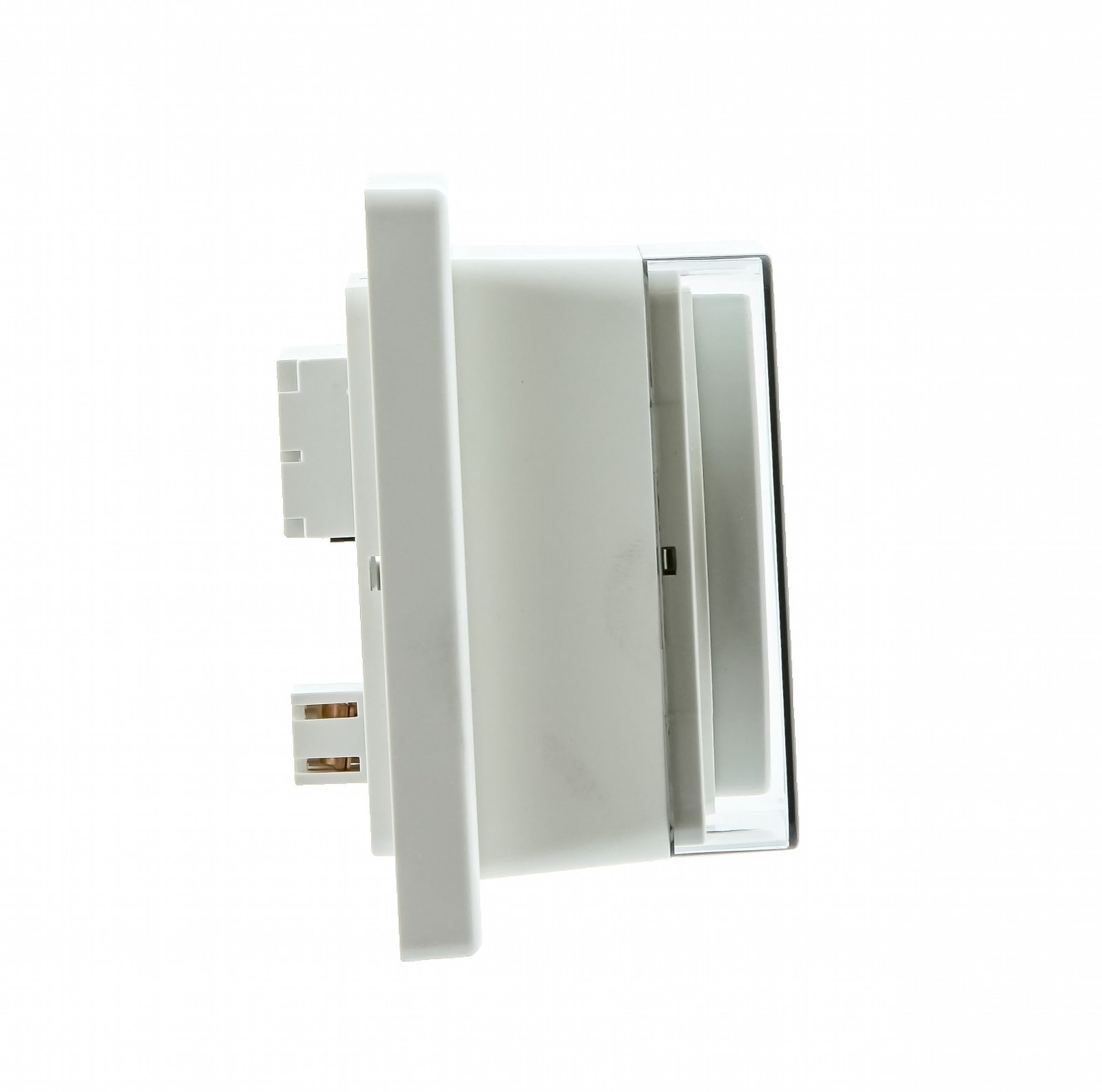
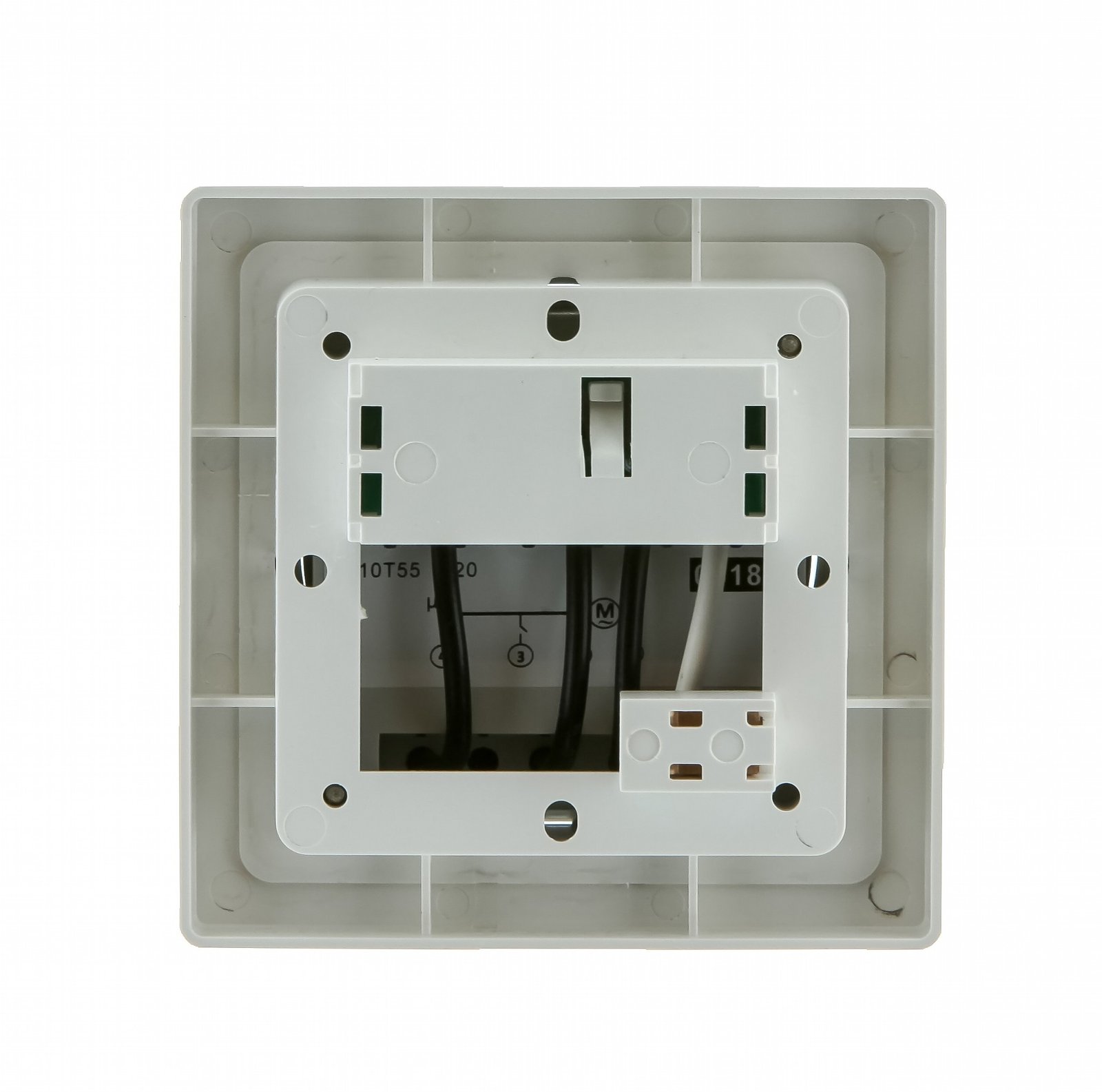
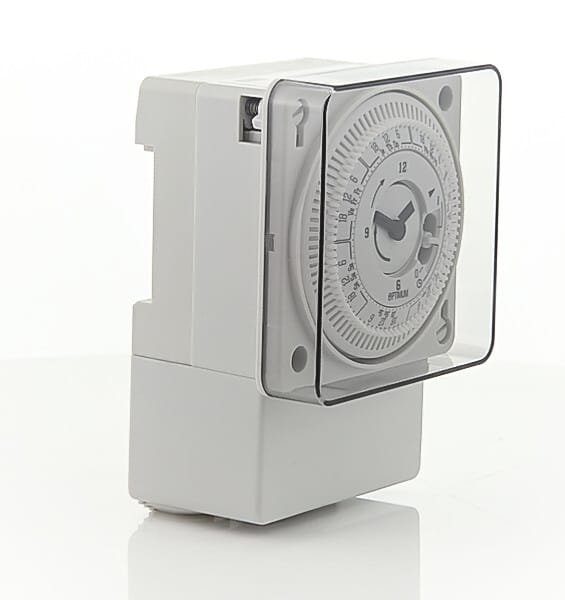
Physically the OP‑TS371.1 is small and flexible to mount — it will sit on a DIN rail, be panel mounted or fitted to a flat surface. Connections are made to screw terminals and the unit is classed as IP20, so it must be installed in a dry, protected enclosure; it’s not weatherproof. The device should be installed and wired by a competent person in accordance with local wiring regulations.
It’s worth noting limitations that affect where you use it: the output is a volt‑free changeover contact rated for a limited inductive current, and the manufacturer recommends using a contactor for switching many types of lighting (for example HID, SON and many LED fittings). If you plan to control low‑current electronics or LED drivers, check the timer’s minimum switching current to ensure reliable operation or use an intermediate relay.
Who this suits
The OP‑TS371.1 is a sensible choice where you want a no‑frills, reliable mains timeswitch with weekly or daily scheduling and easy installation options. It’s not a smart or networked device — if you need remote control or integration with smart‑home platforms you would look elsewhere — but as a stand‑alone scheduler for heating, pumps and simple lighting circuits it is robust, accurate and installer‑friendly.
On balance, choose this timeswitch if you need a compact, accurate and economical hard‑wired timer with flexible mounting and straightforward programming. If your application requires outdoor exposure, networked control, direct switching of modern low‑current LED fittings, or a higher inductive switching capability, review those points before specifying.