Description
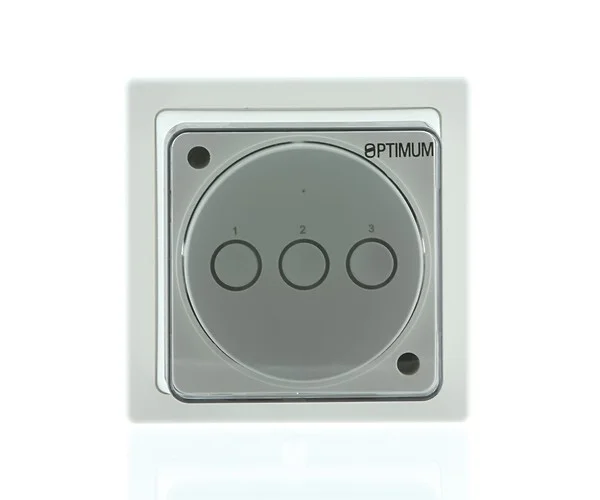
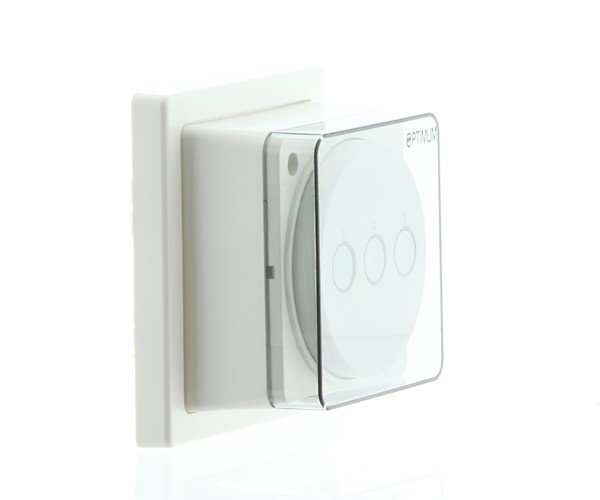
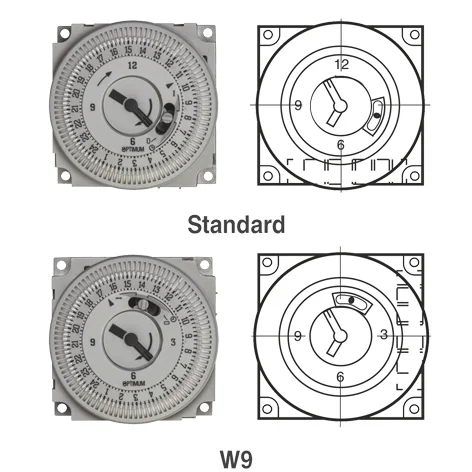
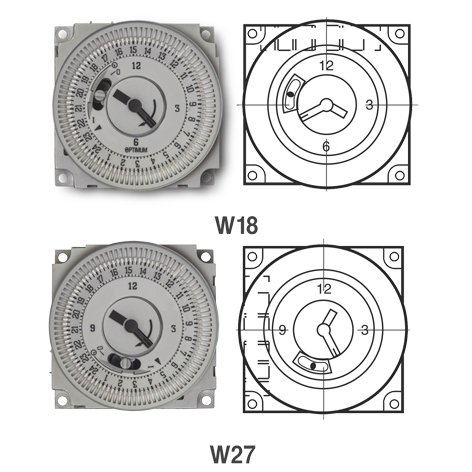
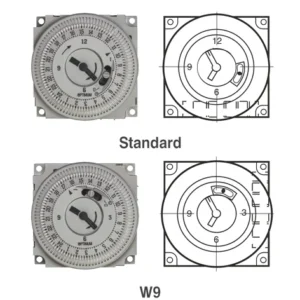
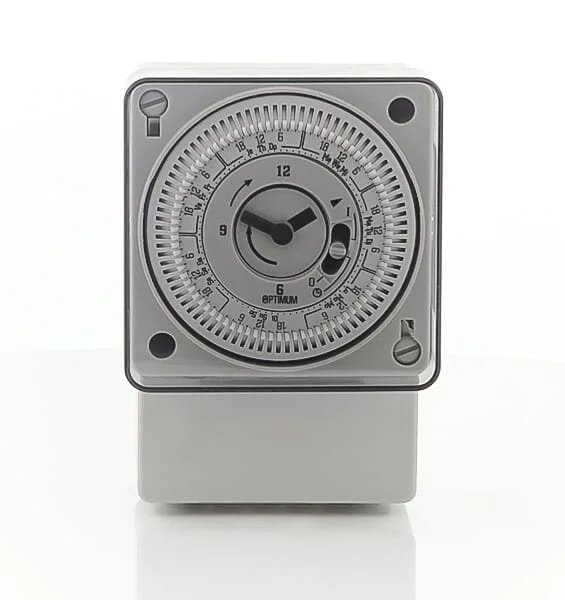
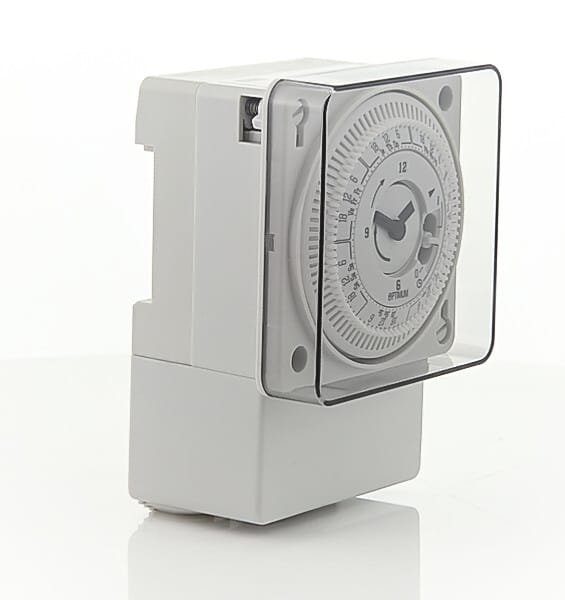
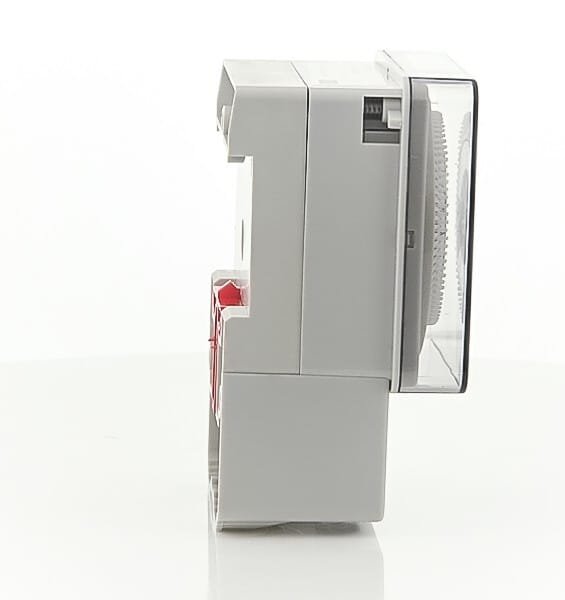
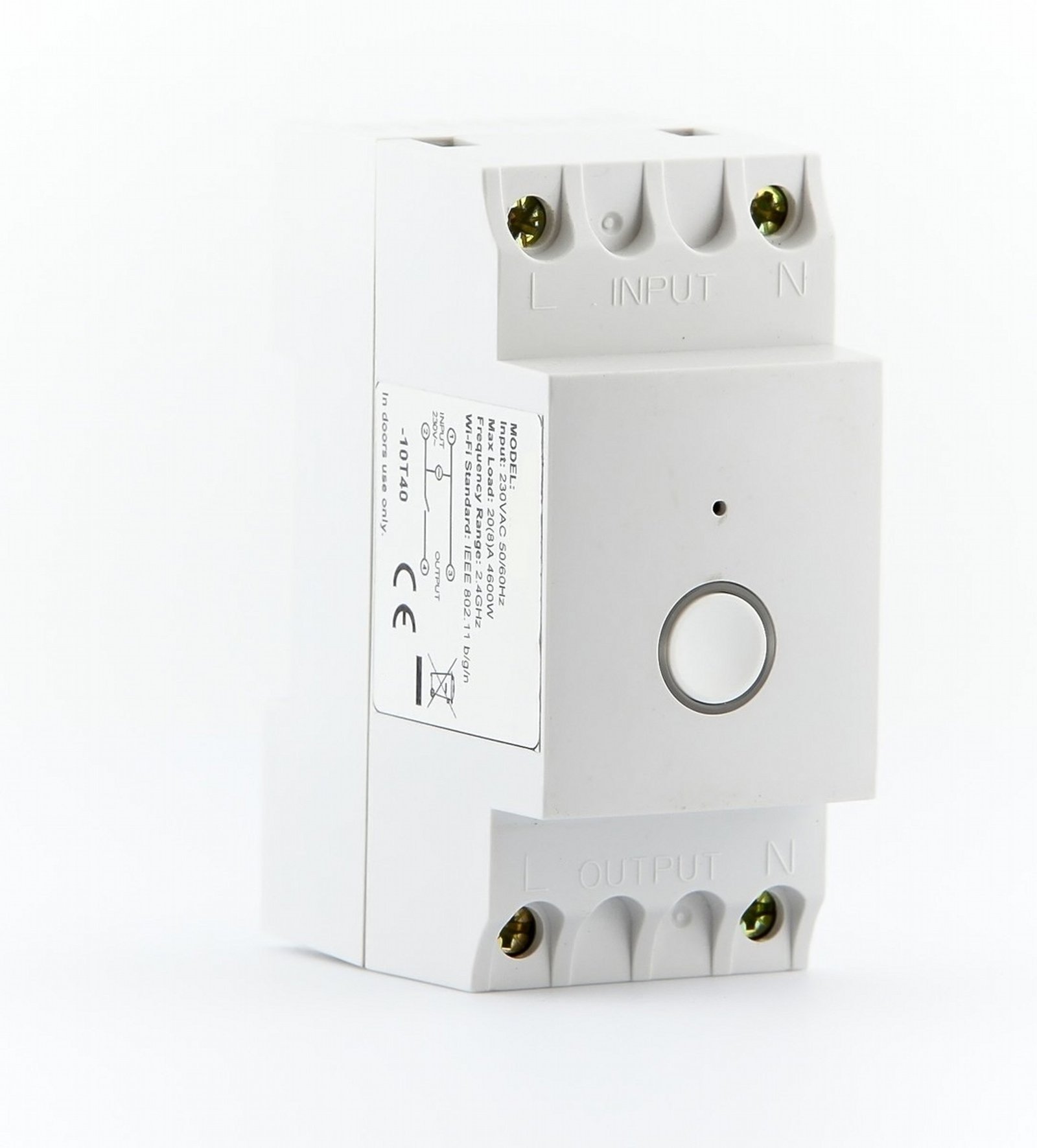
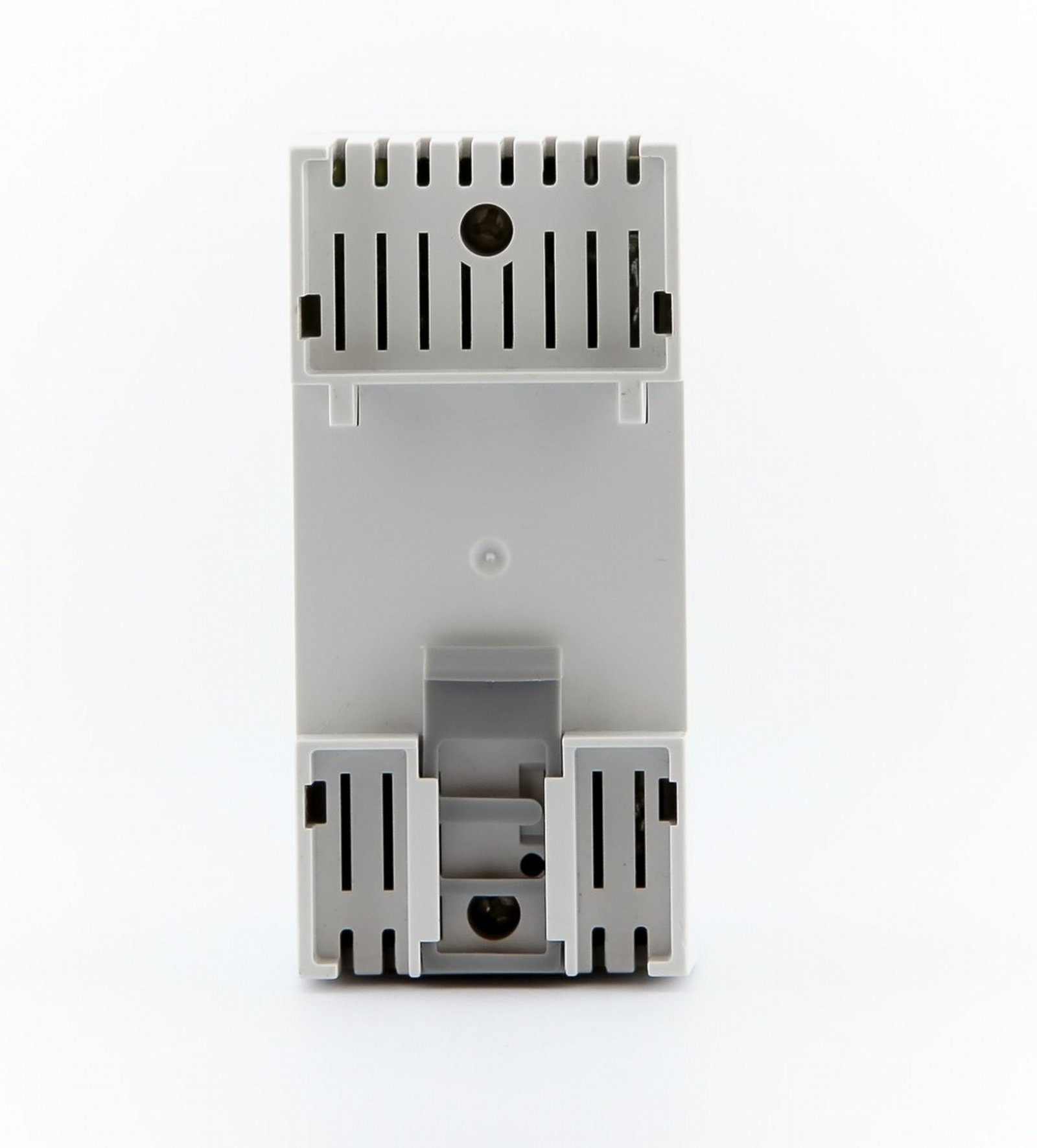
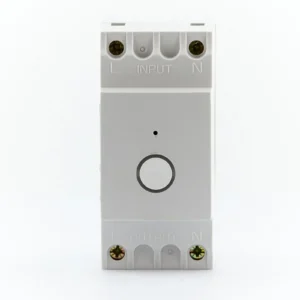
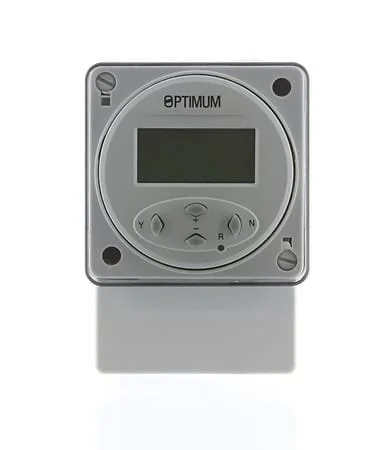
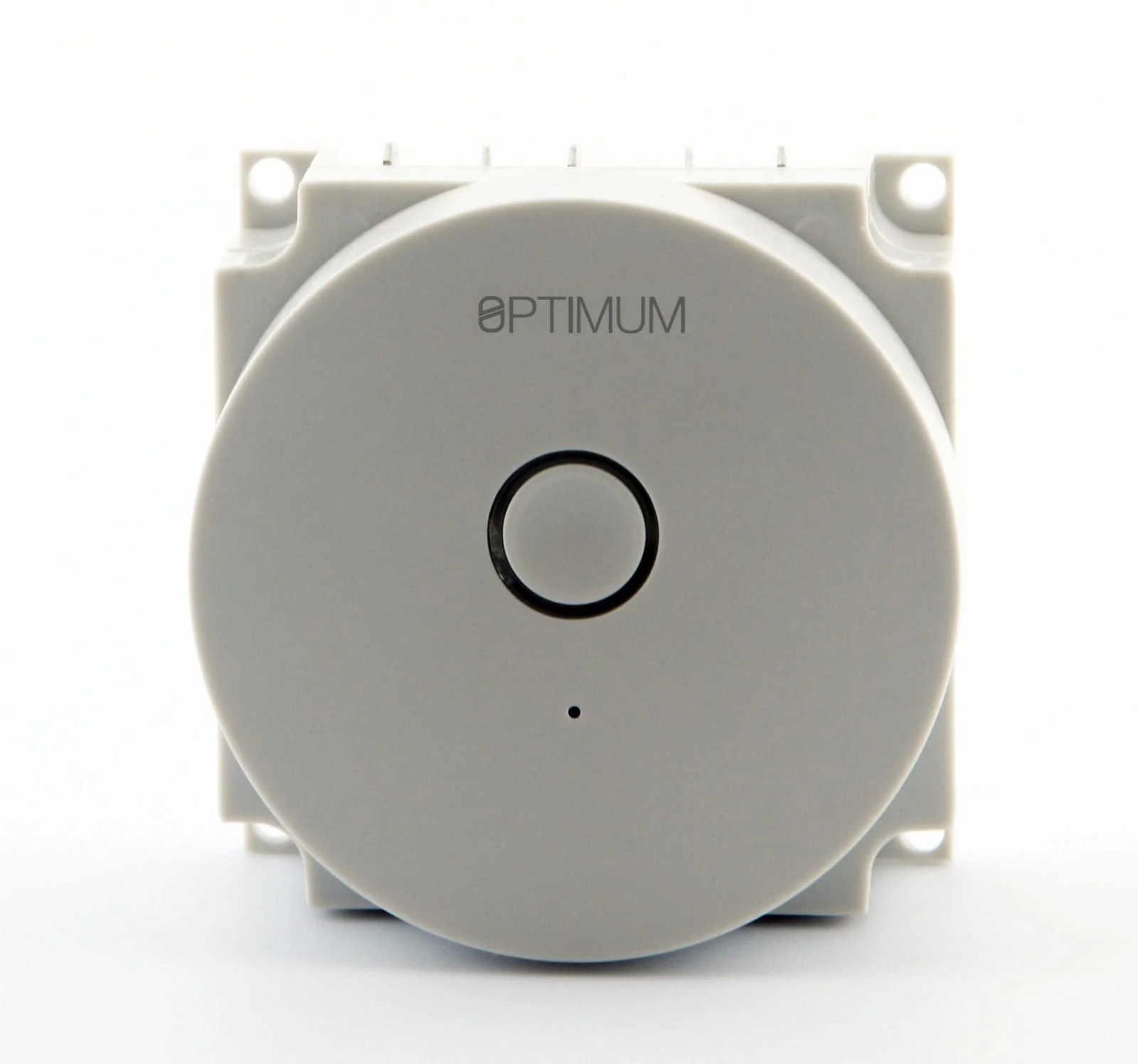
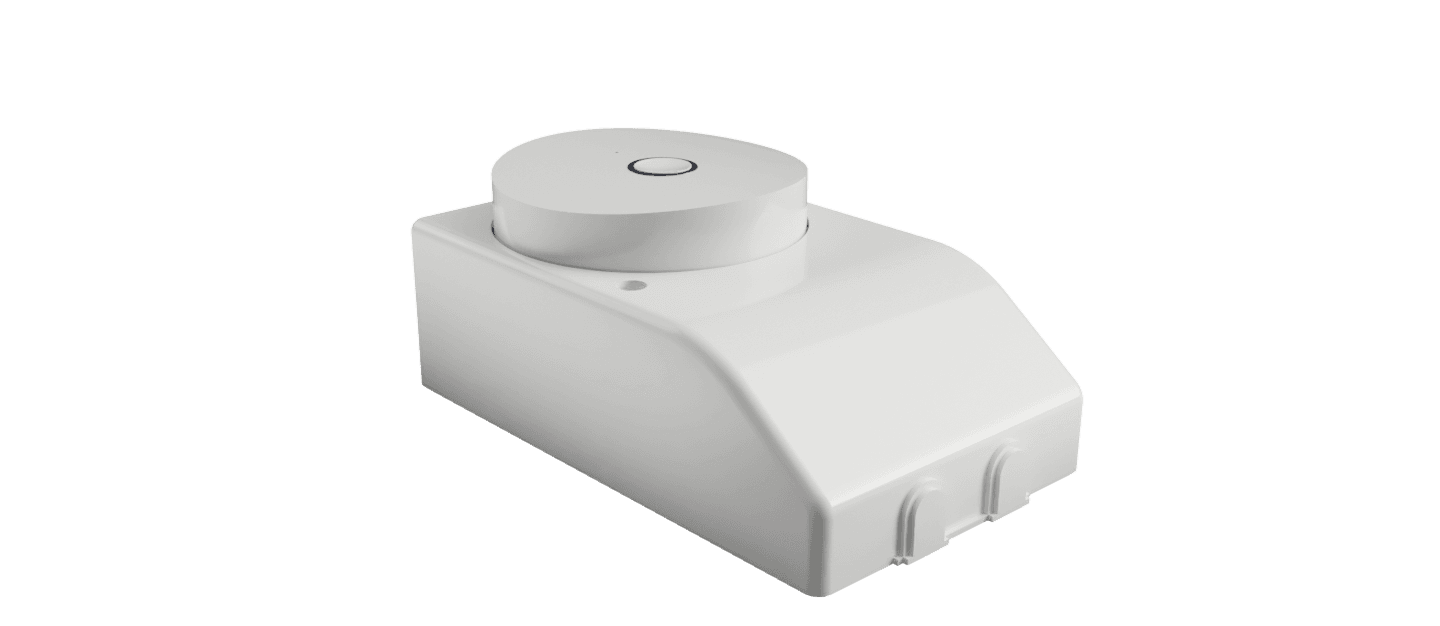
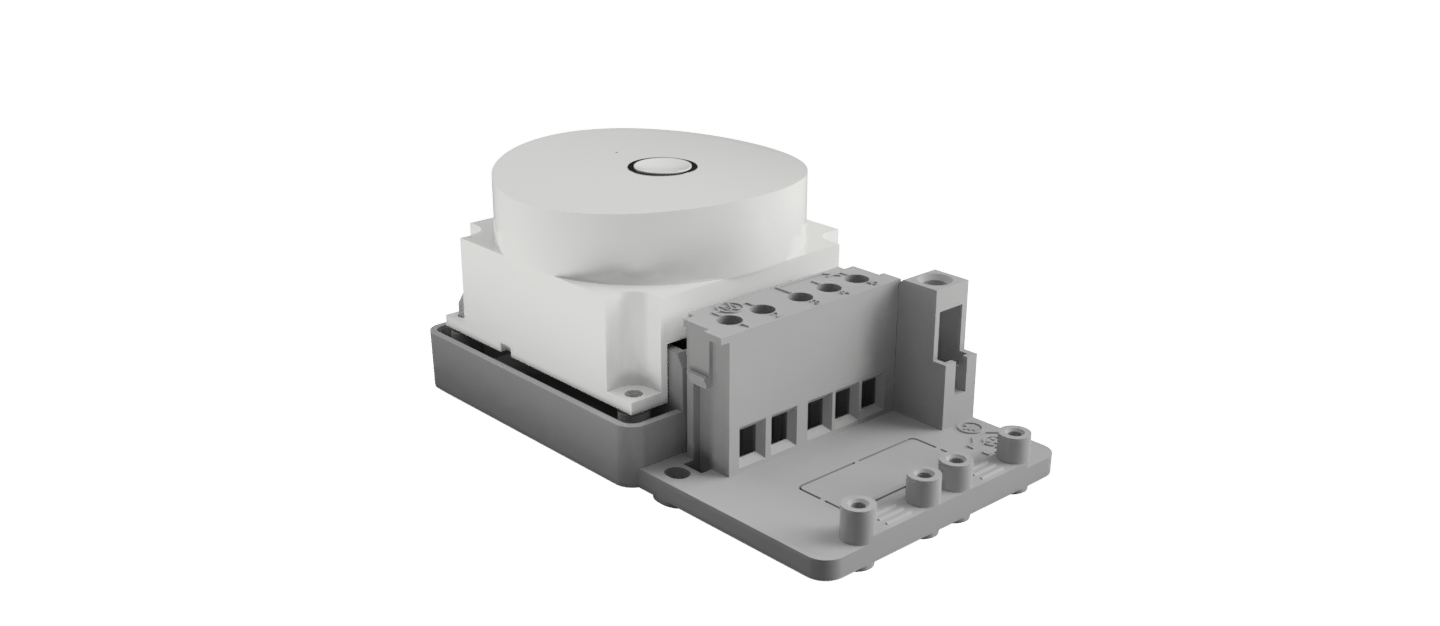
This is a compact Wi‑Fi time switch intended to make a conventional boiler or an immersion heater controllable from a smartphone. It’s a universal module that fits either into a compatible boiler timer slot or onto a wall backplate, and it gives you programmable on/off scheduling plus a manual override button on the unit. Control is via the Smart Life app over a 2.4GHz home Wi‑Fi network, and the module exposes a volt‑free SPDT switch so it can be used as a clean contact to operate boilers, immersion elements or other heating-control inputs.
In practical terms it’s aimed at homeowners or installers who want a low-cost way to add remote scheduling to existing heating hardware without replacing the boiler control itself. The switching side is conservative and clearly specified (16A resistive / 4A inductive rating), so it’s suitable for direct control of many domestic loads but not for high-current or specialist industrial switching without an appropriate contactor or relay.
Key specifications
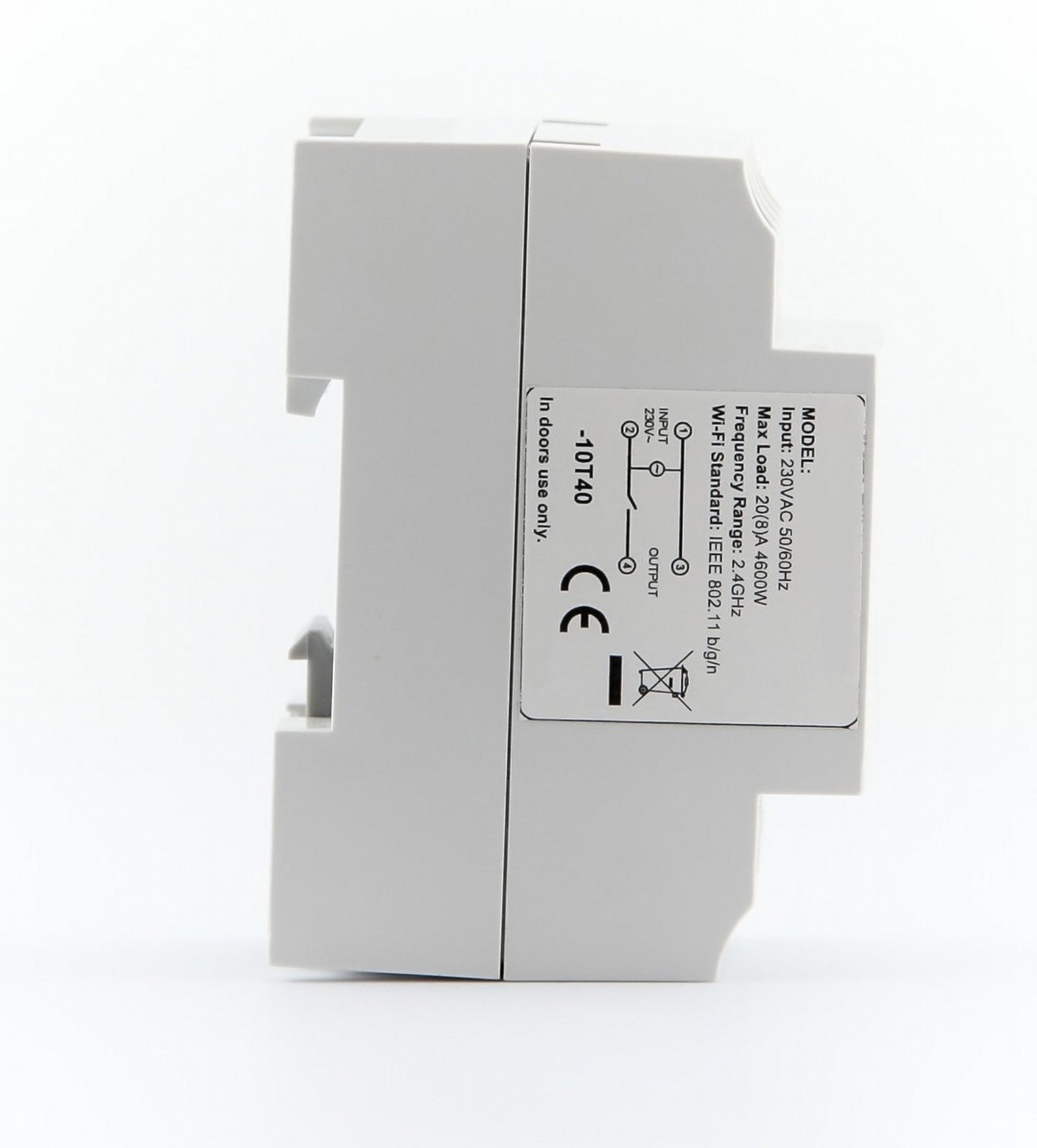
- Supply: 220–240V AC, 50Hz; power consumption ≈ 1 VA at 230V
- Output: Volt‑free SPDT contacts — resistive 16 A, inductive 4 A (cos φ 0.6)
- Connectivity: Wi‑Fi ISM 2.4 GHz; WLAN 802.11 b/g/n (not 5 GHz)
- Scheduling: 24‑hour or 7‑day programming, up to 15 on/off programmes; minimum switching interval 1 minute
- Local control: manual override on the unit (On / Timed / Off)
- App control: Smart Life app; compatible with Amazon Alexa and Google Home
- Mounting: boiler timer plug‑in or surface (wall) mount
- Protection / class: IP20; Class II control
How it works day to day
The module behaves like a programmable timeswitch but with the added convenience of remote management. You set up schedules in the Smart Life app on your phone and the module keeps time via internet synchronisation, so programmes are accurate and adjust automatically for time changes. If you need the heating on outside a schedule you can press the unit’s override button or toggle the relay from the app. The device also supports short countdown timers and repeating cycles for flexible control.
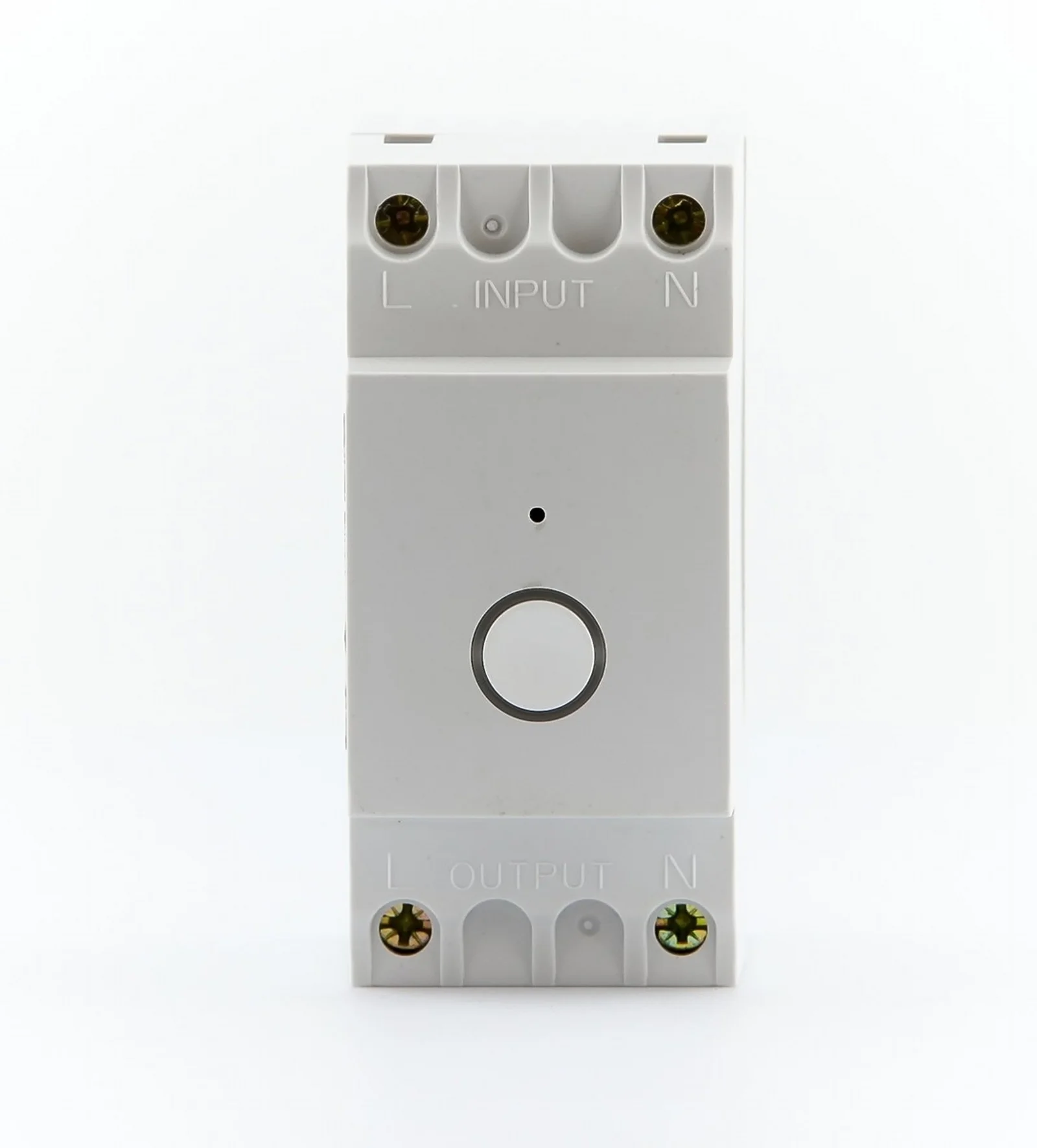
Because the output is a volt‑free contact (common, normally open, normally closed terminals), the module does not feed mains into the boiler control directly unless you leave the brass link in place for immersion/mains switching applications — the installer instructions explain how to convert between the two wiring modes. That volt‑free contact is the right approach for most boiler interfaces because it avoids tying the module’s internal electronics to the appliance’s live wiring.
Connectivity and smart‑home integration
It connects only to 2.4 GHz Wi‑Fi (802.11 b/g/n). Once on the network it can be added to voice‑control systems through the Smart Life ecosystem and linked to Alexa or Google Home for basic on/off voice commands or routines. Note that the Smart Life app is the supported client — manufacturers and retailers recommend moving to Smart Life where older or proprietary apps are no longer being updated.
Installation and safety notes
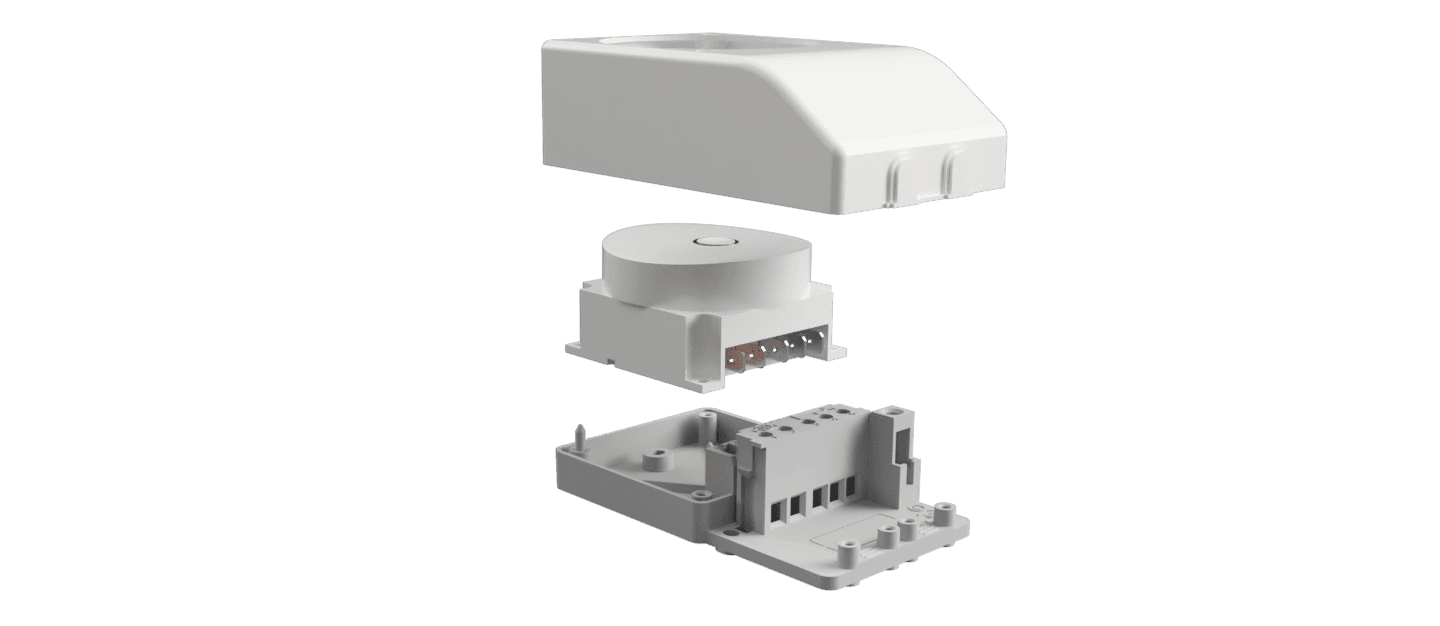
The unit is designed for simple retrofit: remove the front housing, mount the backplate, route supply and switched wiring to the labelled terminals and snap the module back on. The installer instructions call for the usual wiring good practice — use ferrules on stranded conductors, secure cable clamps, and do not mount on un‑earthed metal. For volt‑free use the factory brass link between the supply and switching terminals must be removed; leave it in place only when explicitly wiring for immersion heater or mains‑switching as instructed.
Even though the relay is rated at 16 A resistive, the inductive rating is lower (4 A at cos φ 0.6). That means you should check the type of load you intend to switch: motors, pumps and some compressor/combo loads can stress the relay and will often require a suitably sized contactor or contractor device rather than relying on the module’s internal relay alone. The module is IP20 rated, so it is not weatherproof and should be installed in a dry, protected location — typically inside a boiler casing, an airing cupboard or on an internal wall near the boiler.
What it suits — and what it doesn’t
This is an economical way to bring basic app and voice control to older boilers and immersion heaters where you only need timed on/off control. It’s particularly helpful for retrofits where replacing the boiler controller would be disproportionate. It is not a modulation-capable thermostat or a full smart boiler controller: it gives timed switching only and no room sensing, load compensation or advanced HVAC logic. For a system that needs temperature-based modulation, multiple zone control or integrations with specialist heating controls, a purpose-designed smart boiler controller or installer-specified control system will be a better choice.
Finally, the documentation from the manufacturer includes full wiring diagrams and an installer guide; if you’re not comfortable with mains wiring, use a qualified electrician. Read the installer instructions carefully before you remove any links or attempt to convert the unit to volt‑free operation.