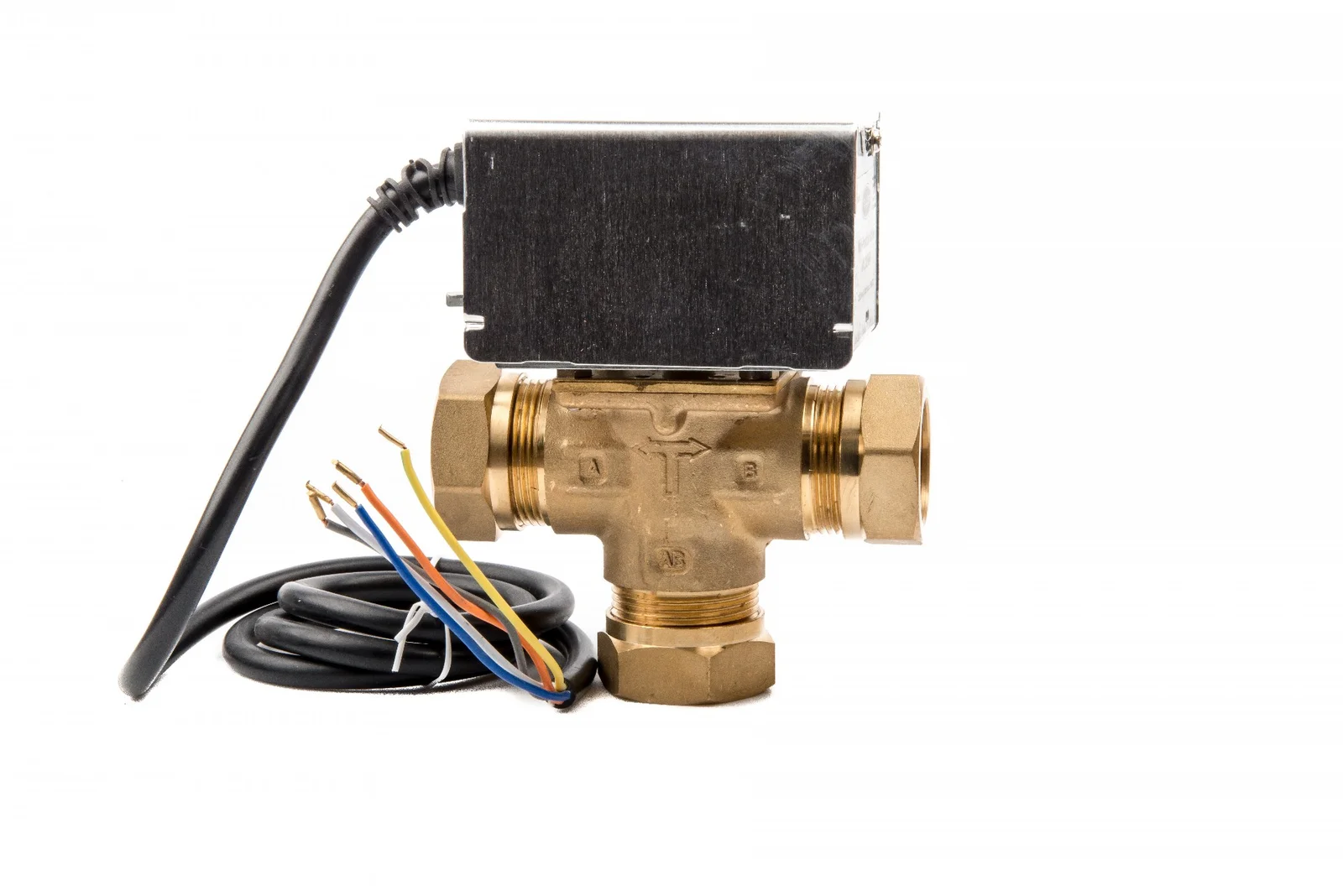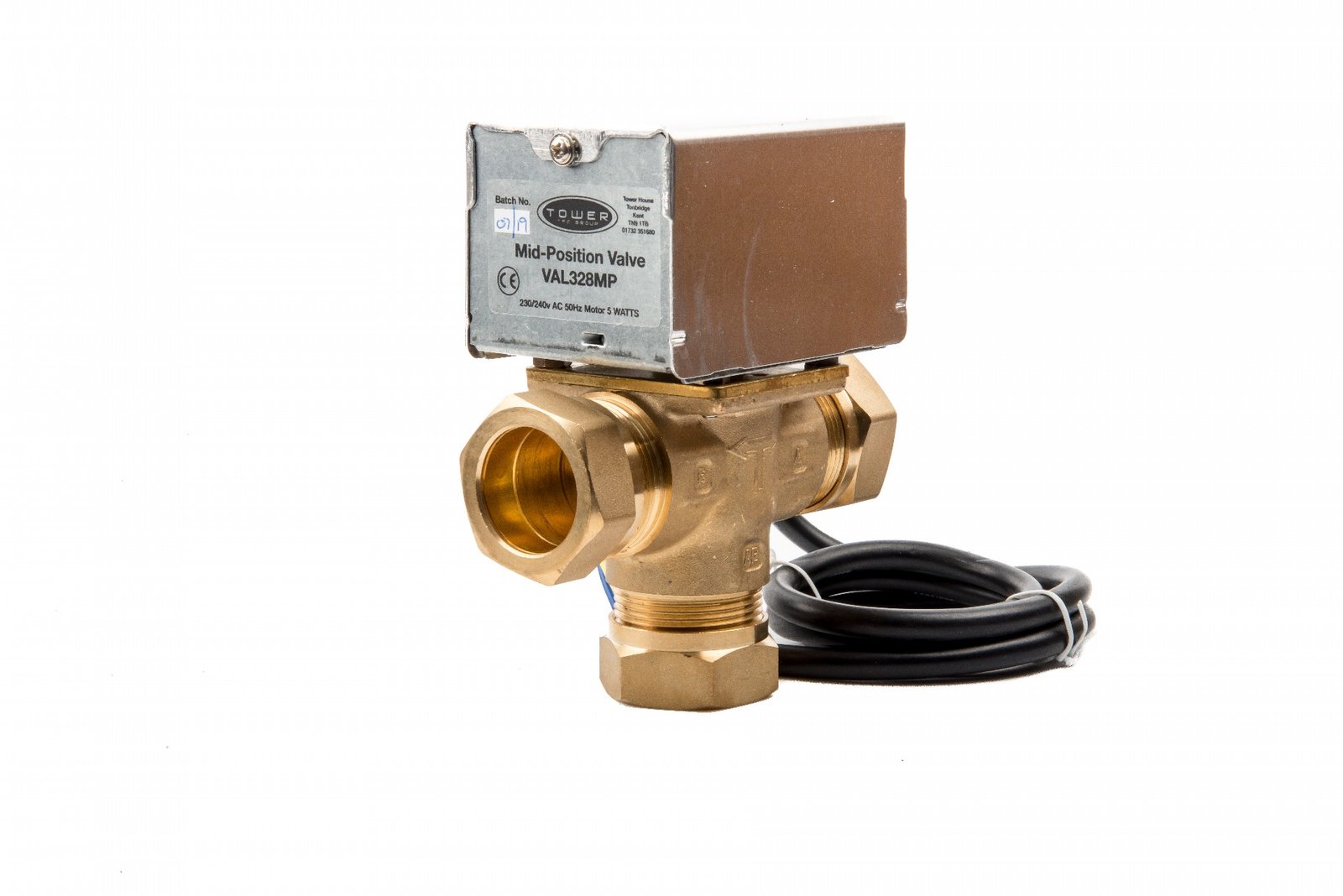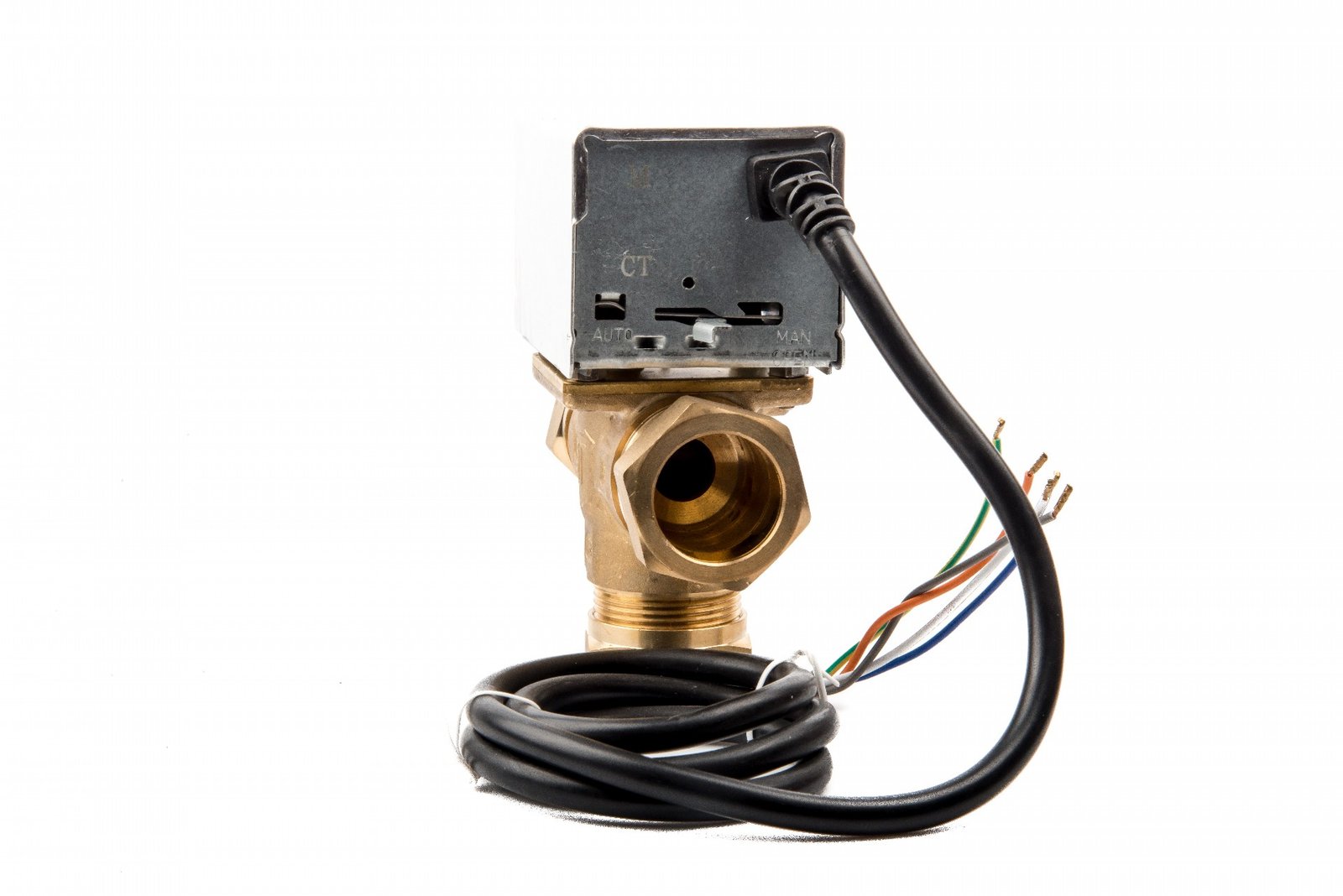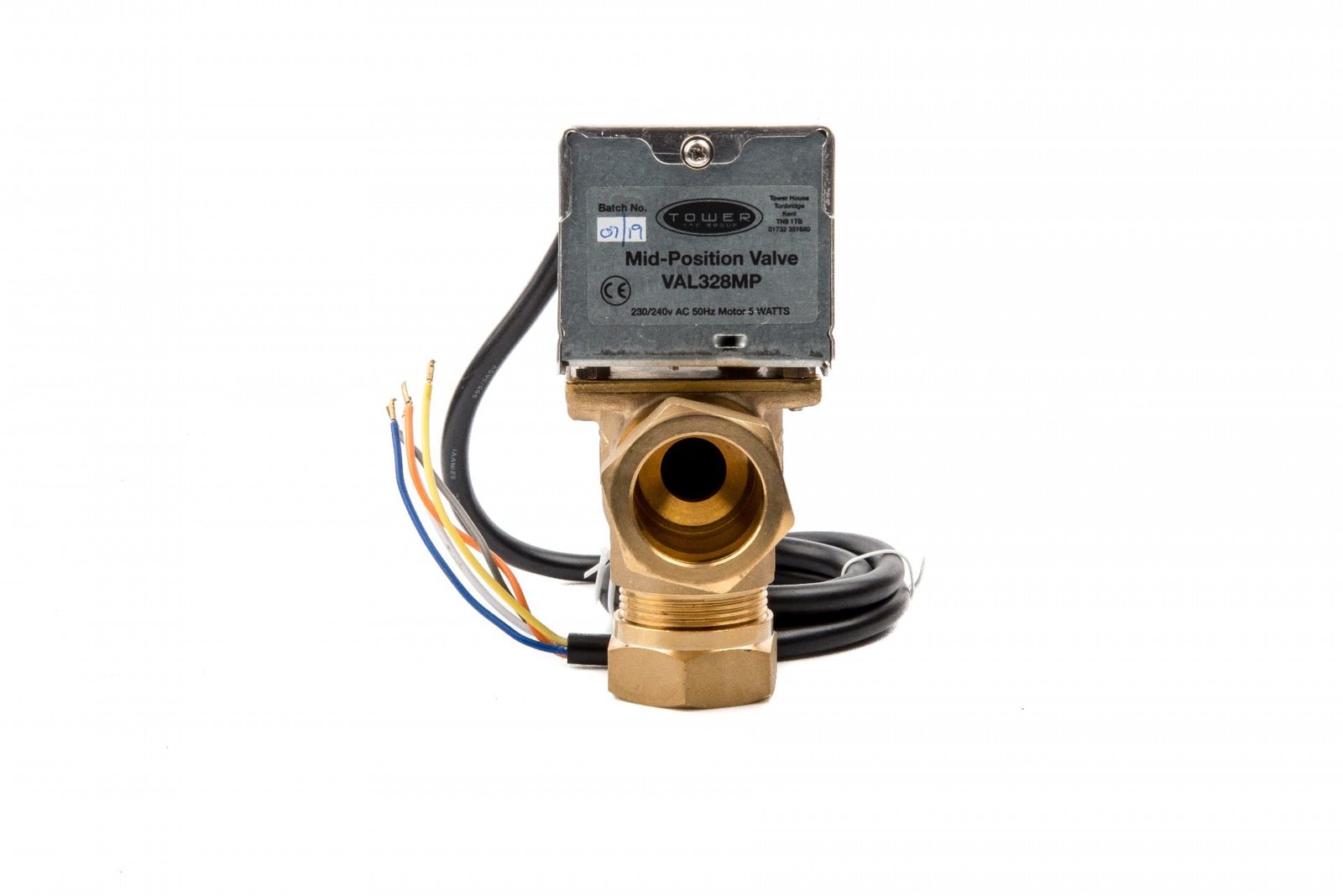
Description
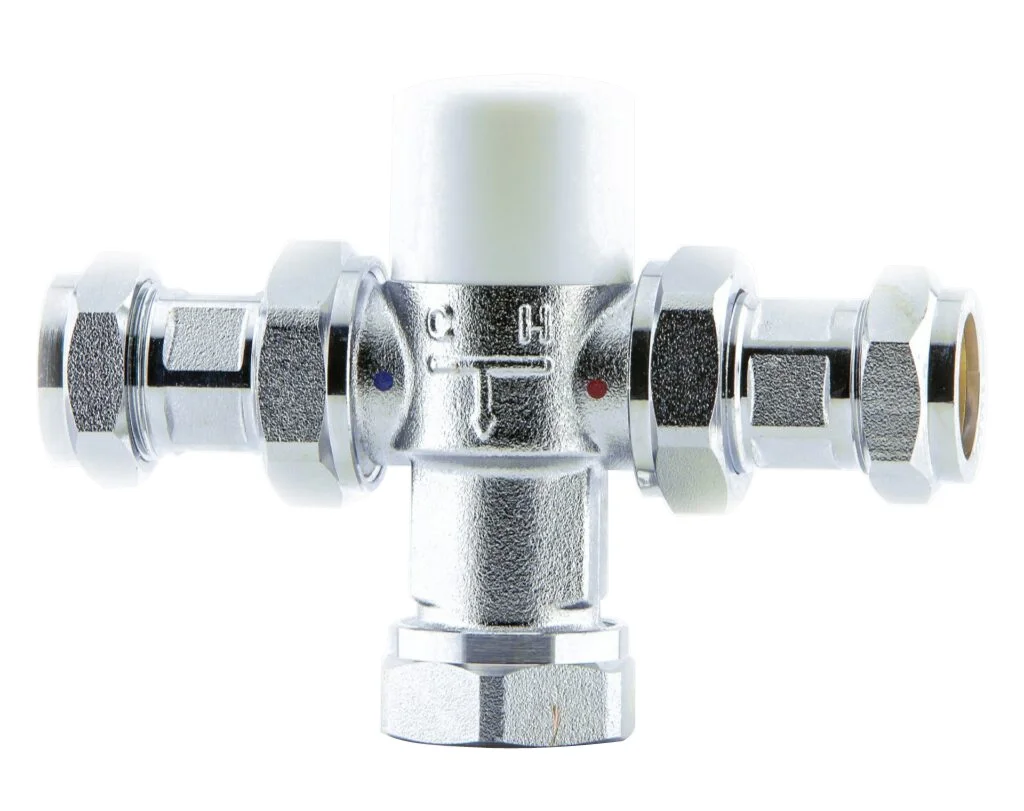
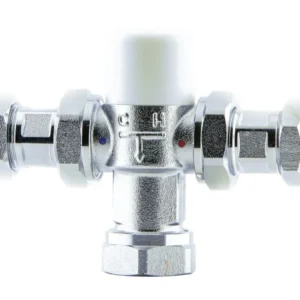
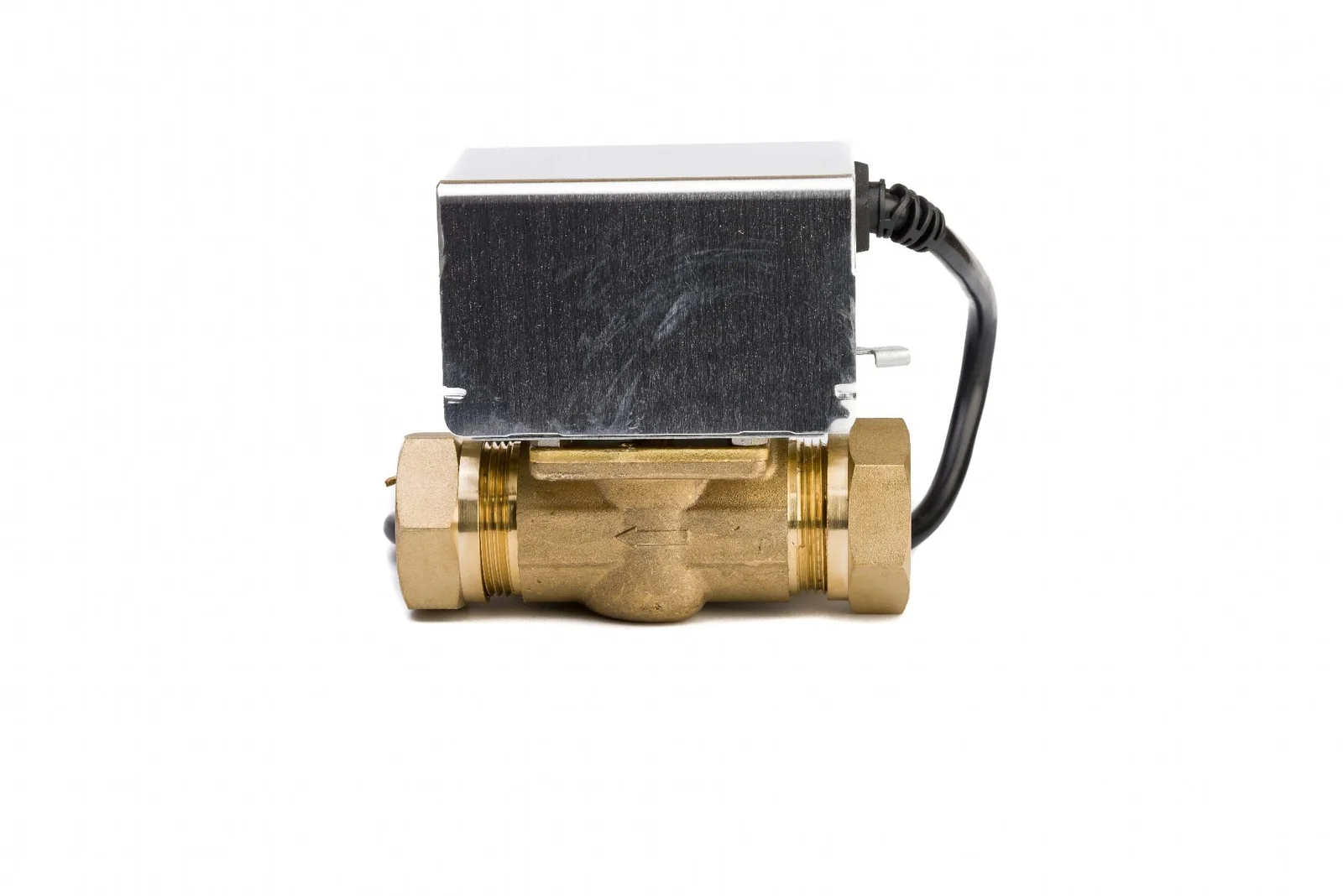
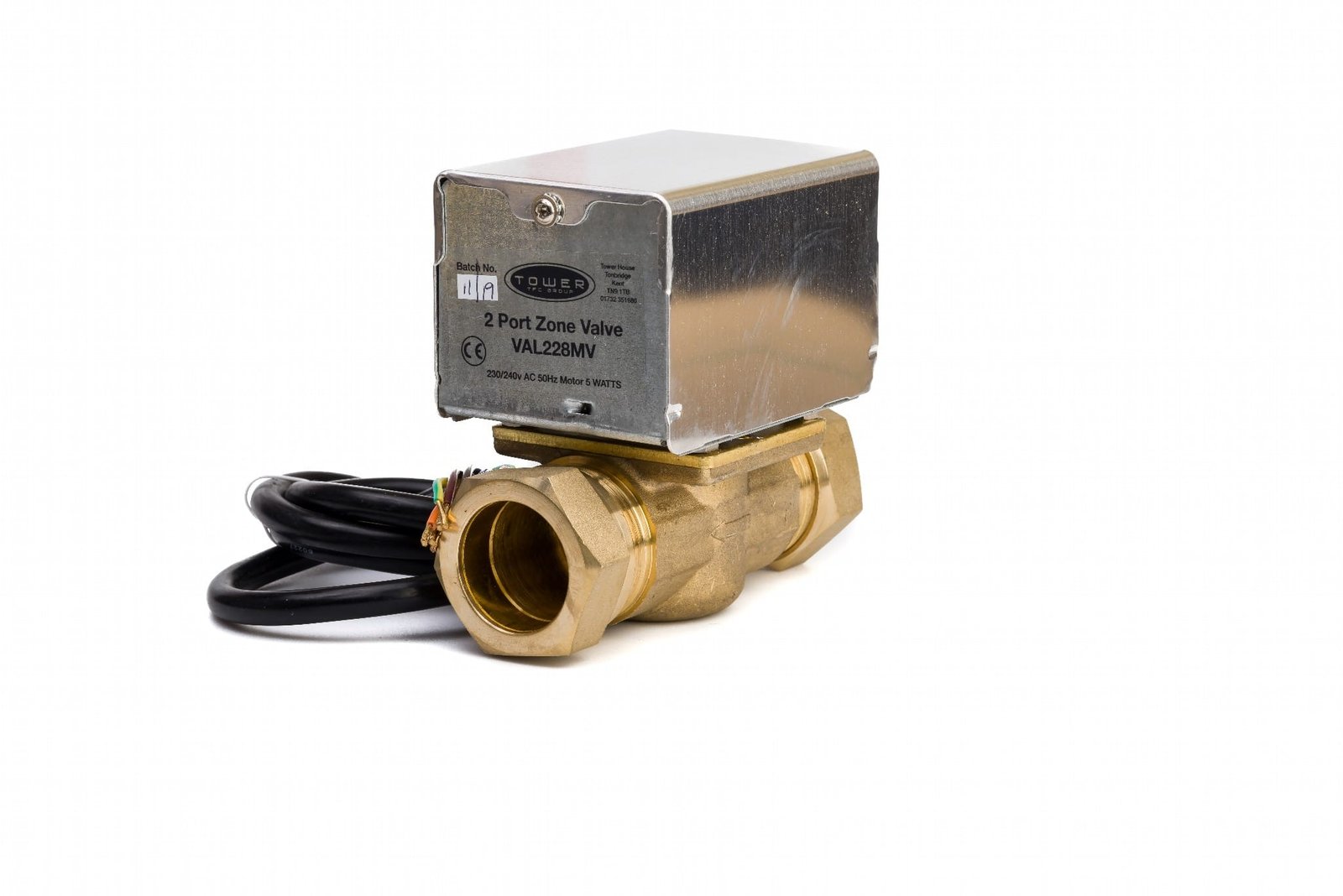
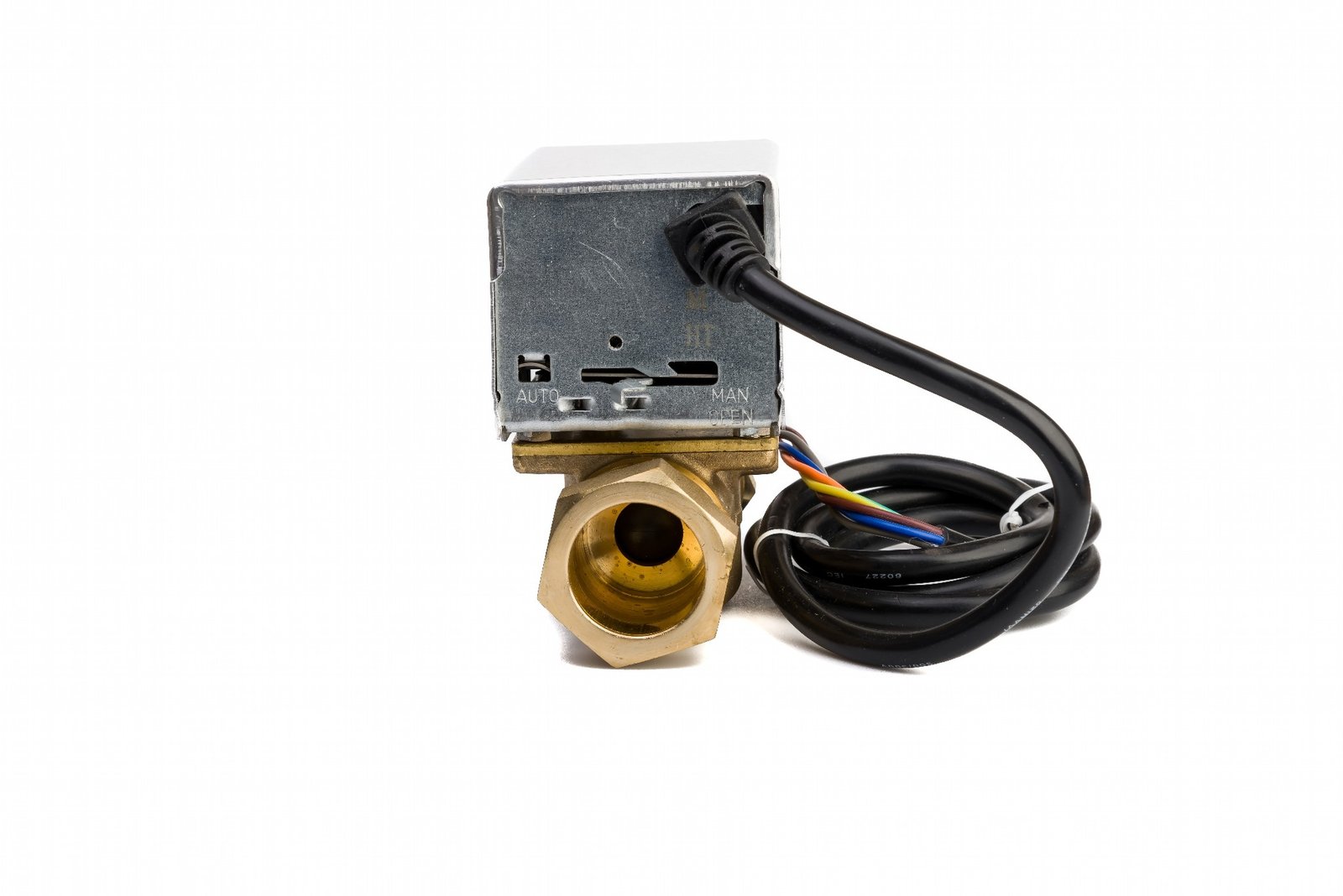
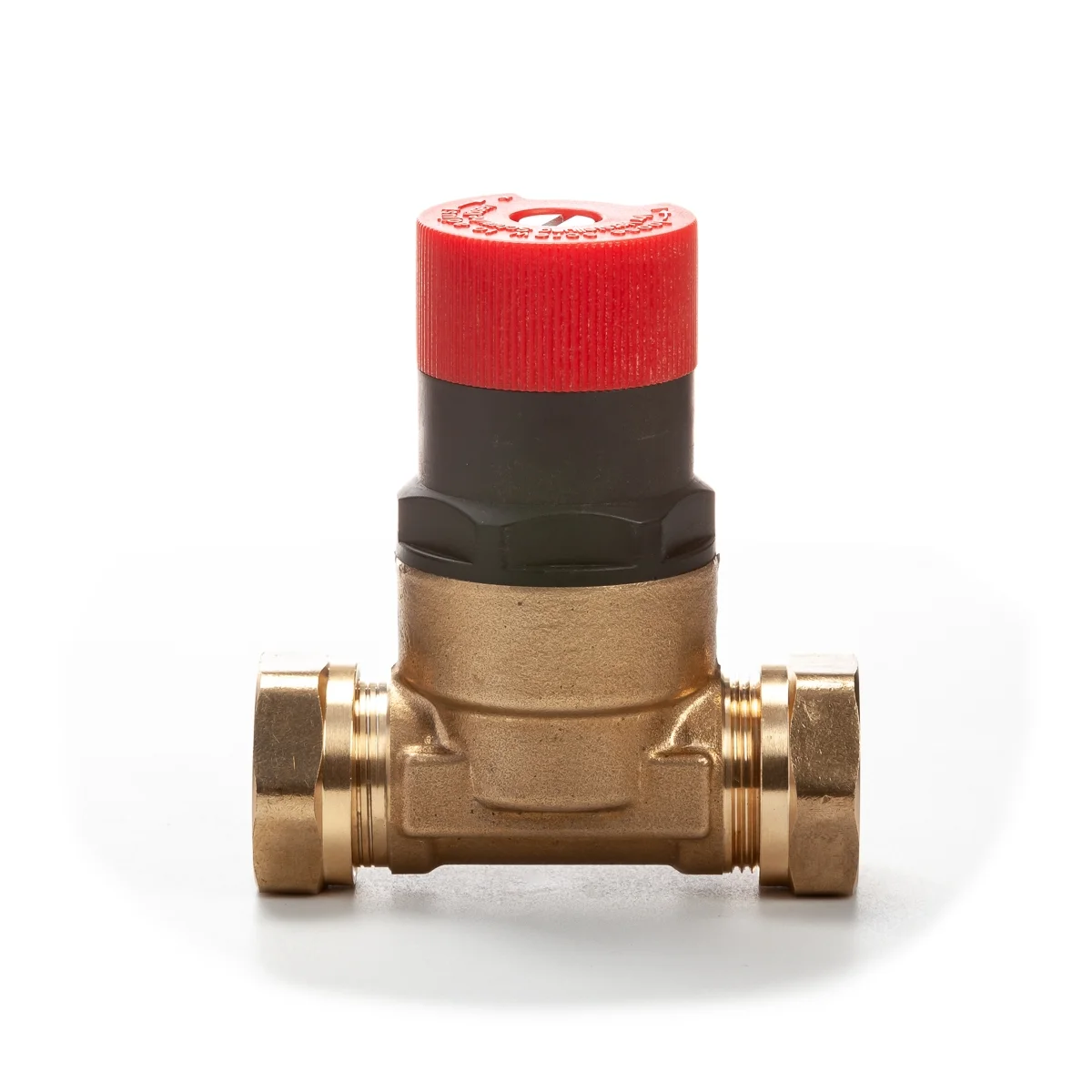
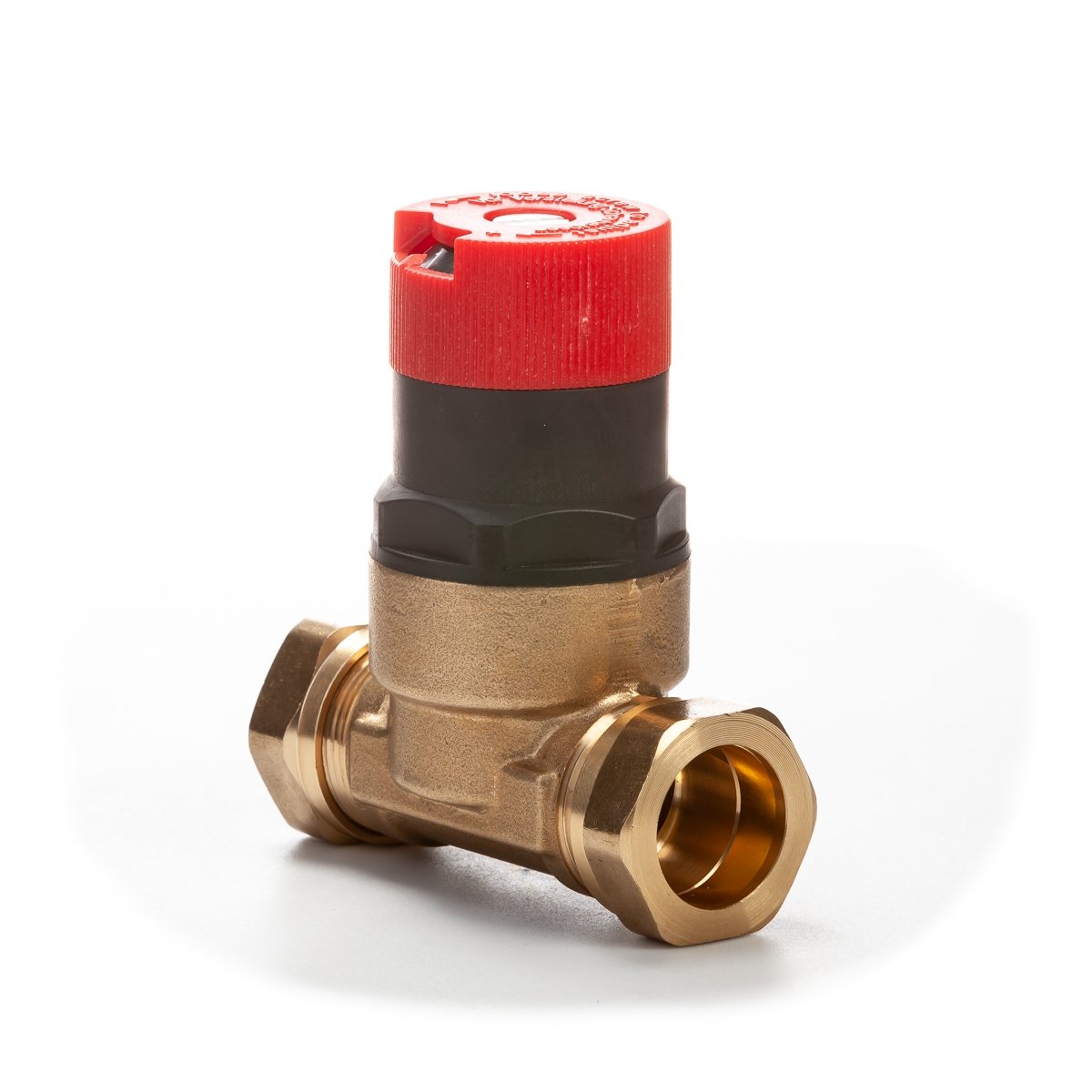
This is a small, mechanical automatic bypass valve intended for domestic sealed central‑heating systems that need a controlled bypass around the radiators — typically where thermostatic radiator valves (TRVs) or motorised zone valves are fitted. It provides a preset differential‑pressure bypass between flow and return so the boiler and pump always see a minimum, regulated flow even as TRVs close, reducing noise and protecting the pump impeller and boiler heat‑exchanger from high resistance or low‑flow conditions.
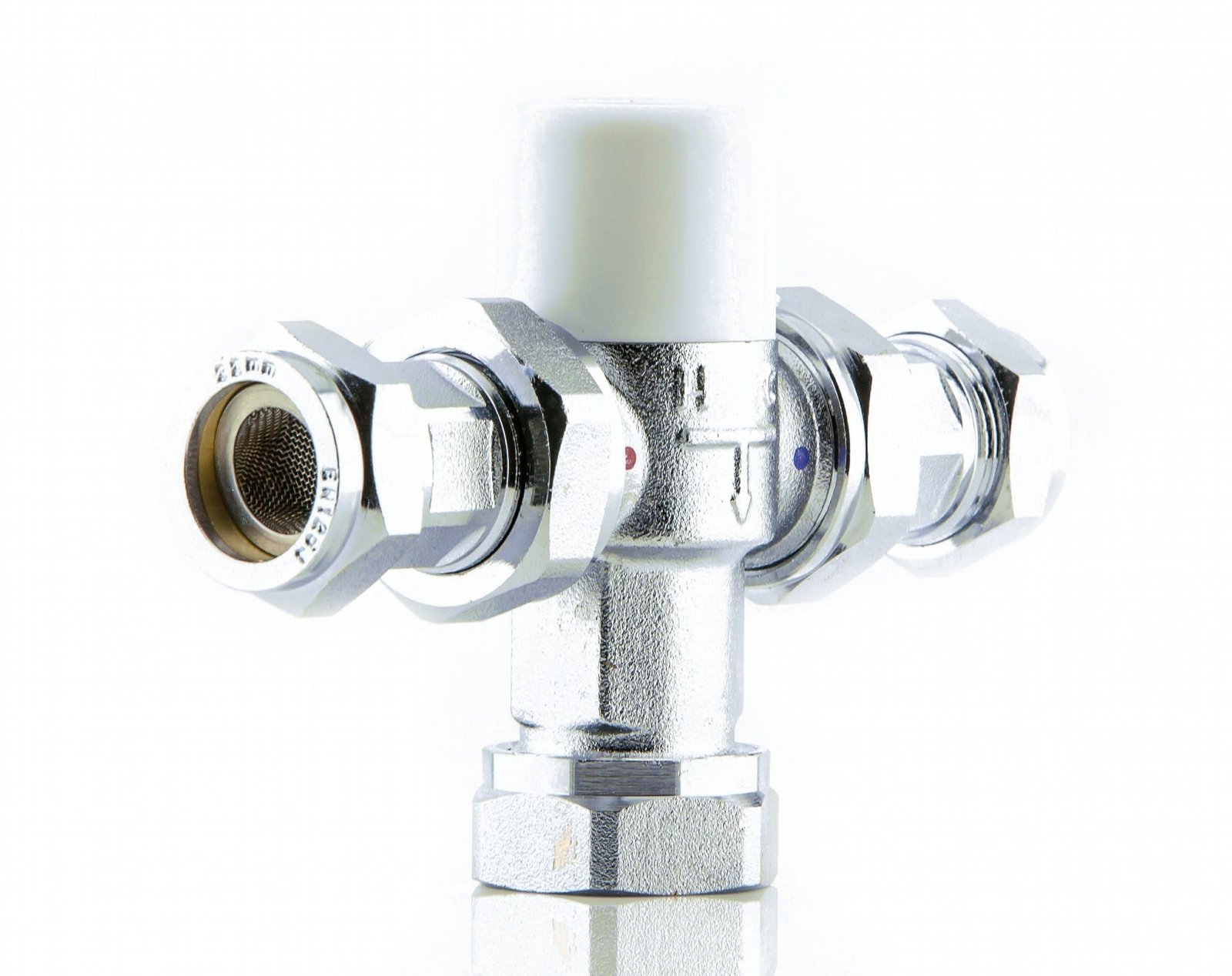
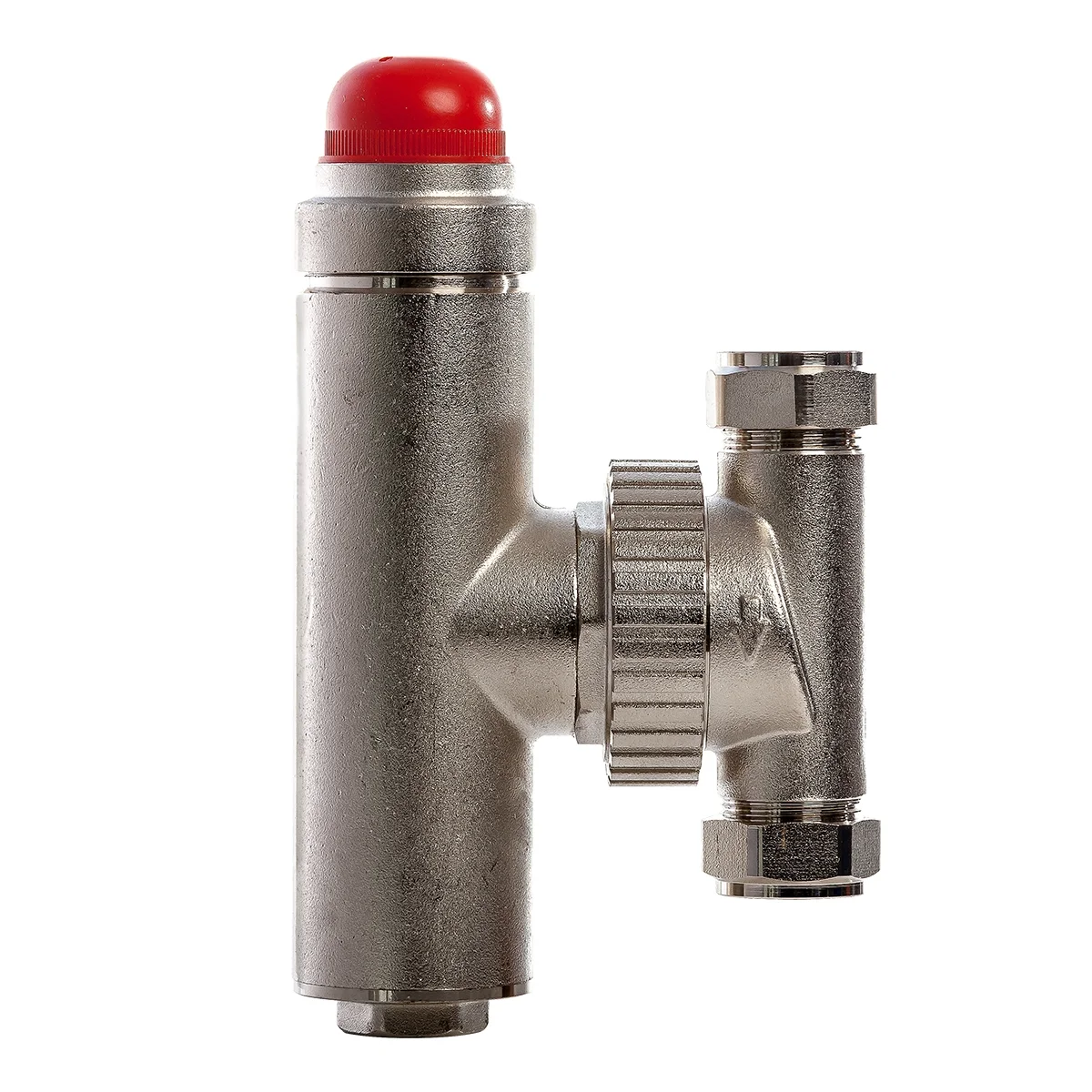
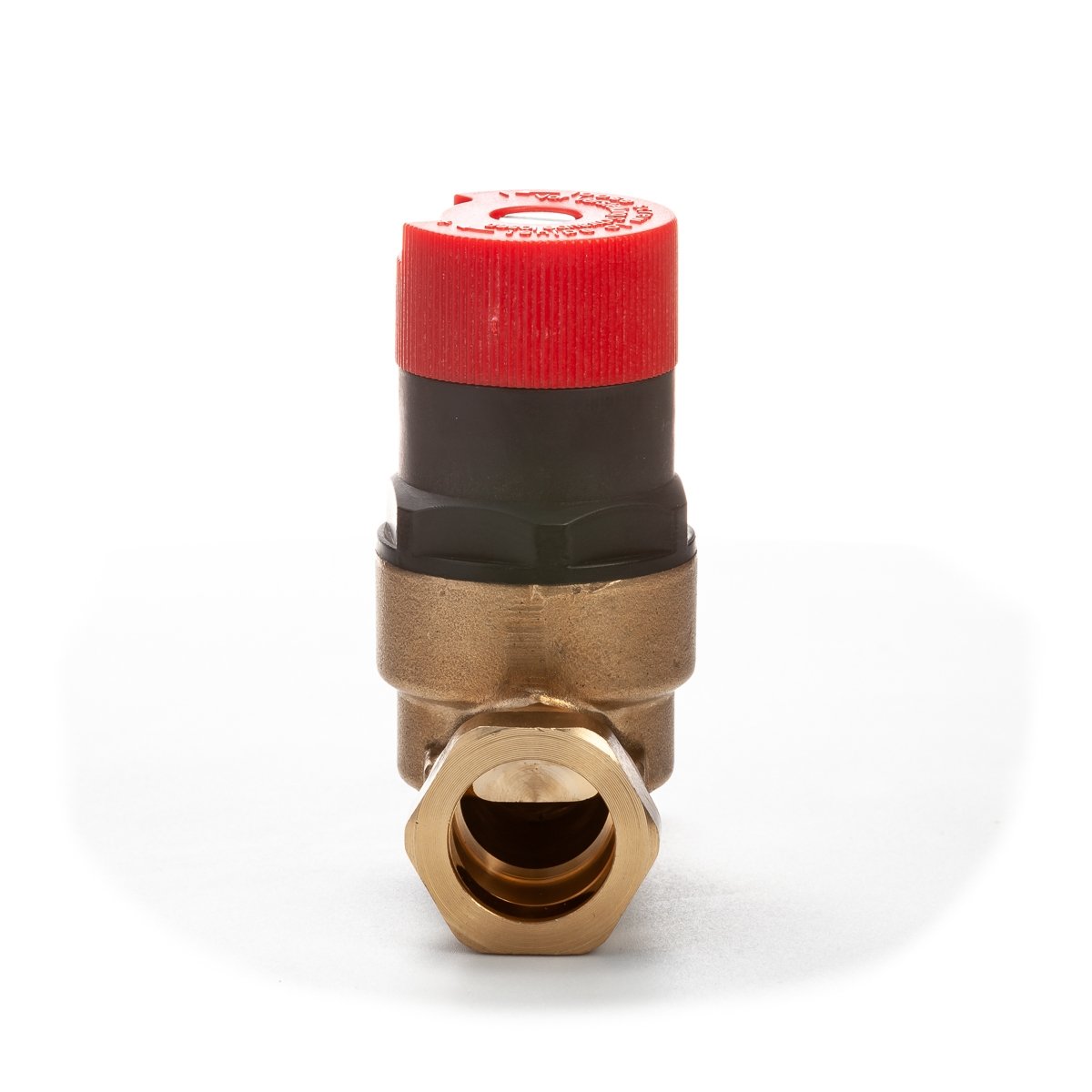
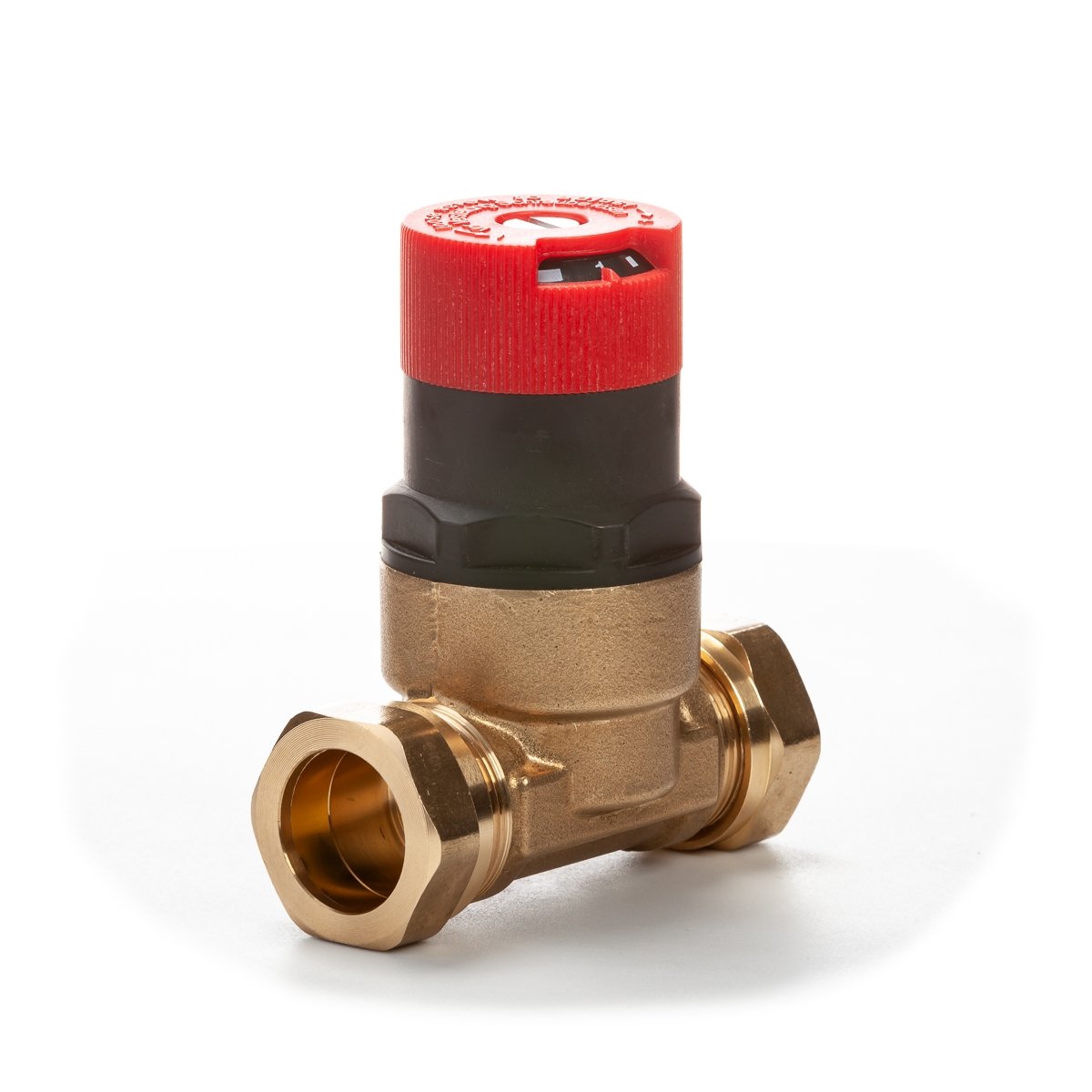
It is a straight‑through 22mm unit with a manually adjustable set point and a locking screw to prevent accidental re‑adjustment once commissioned. The design suits inline pipework where a compact, lockable bypass is required and where installers want a simple mechanical solution rather than electrical controls or more complex hydraulic balancing.
Key specifications
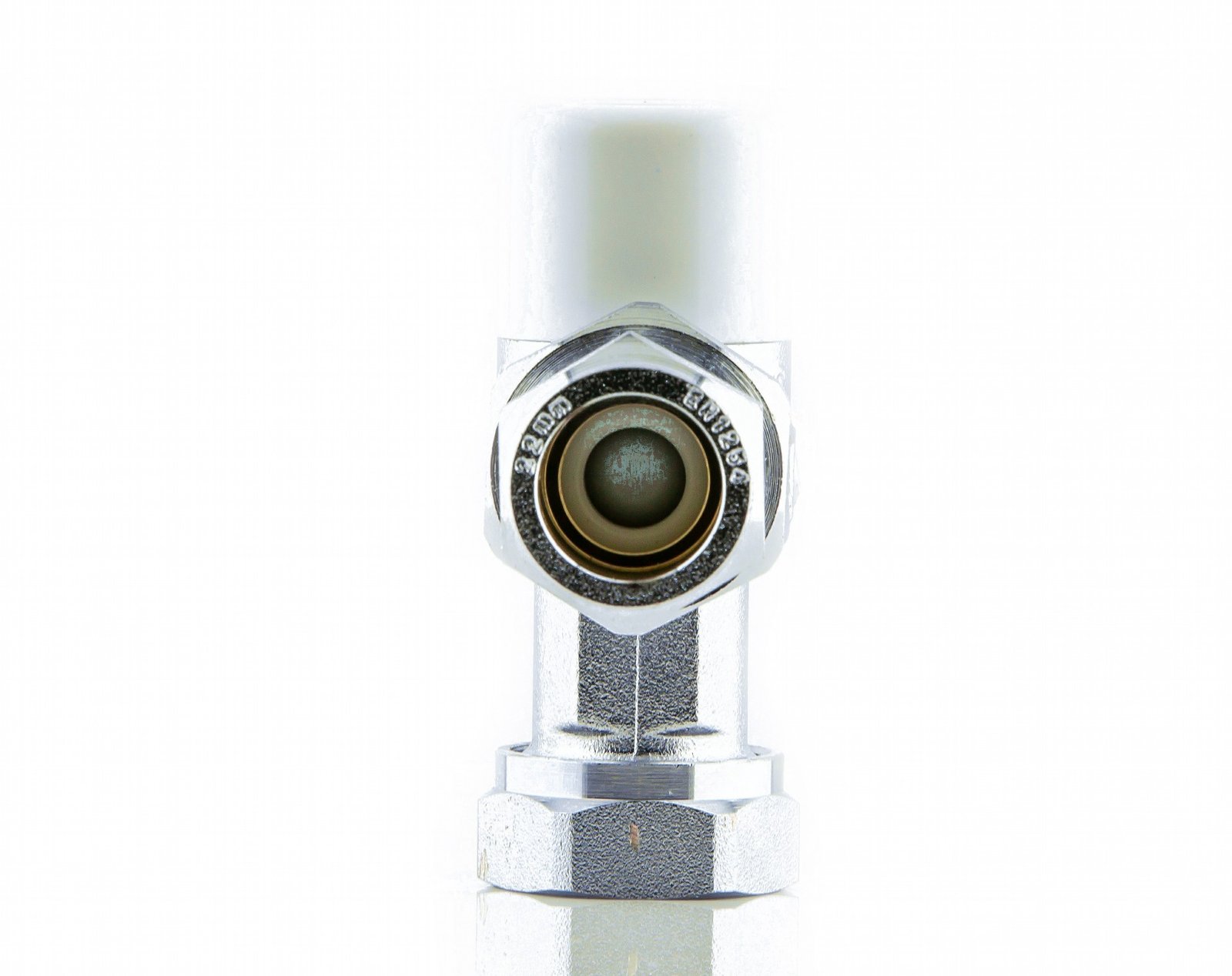
- Pipe size / connections: 22mm compression fittings
- Flow capacity: up to 50 litres per minute
- Differential pressure: adjustable between 0.1 and 0.6 bar
- Adjustment: numbered head with top locking screw
- Configuration: straight (inline) pattern
How it works and where to fit it
The valve senses the differential pressure between the system flow and return and opens to allow water to bypass when the rest of the system becomes more restrictive (for example, as TRVs slowly close). Because the bypass is pressure‑regulated rather than purely flow‑based, it maintains a stable minimum circulation through the boiler and pump without completely short‑circuiting the system. That stability is why it is commonly used to allow pump overrun after zone valves close, to reduce the chance of cavitation or noise and to limit thermal stress on the boiler heat exchanger.
Best practice is to install the unit in a small bypass loop between the pump/flow and the return pipework, after the pump, with the flow direction matching the arrow cast on the valve body. Its straight pattern makes it convenient where the piping runs inline; if your layout is angled you should select the corresponding angled variant instead.
Setting and commissioning
Commissioning is straightforward: select the required differential pressure by rotating the adjustment head to the numbered setting, then secure that choice by tightening the locking screw. The appropriate setting depends on the boiler manufacturer’s minimum‑flow recommendations and the hydraulic characteristics of the heating circuit. Installers typically test the system with radiators and TRVs operating to confirm the valve holds the intended pressure and that the boiler maintains its required flow and temperature behaviour under different loads.
Because the head can be locked, the valve is suitable for installations where you want to prevent occupants from changing the setting. The control is purely mechanical, so no power or sensors are needed; that simplicity is an advantage in many retrofit and new‑build domestic installs.
Practical advantages and limitations
Advantages are practical and immediate: quieter systems where TRVs are fitted, protected pump life (by preventing excessive backpressure at the impeller), and a reduced risk of low flow in condensing boilers. The 50 L/min capacity and a 0.1–0.6 bar adjustable range cover most domestic combi and system boilers.
Limitations are mostly about fit and specification. The valve uses 22mm compression connections, so you will need reducers or different fittings for smaller pipework. It is a mechanical, single‑purpose device — it does not provide active flow control, temperature mixing or the finer tuning of motorised bypasses or differential pressure controllers with remote setpoints. For unusual systems (very large flows, high working pressures, very low differential requirements or systems with boiler‑specific flow protections) check the boiler manufacturer’s instructions before relying on a single bypass device.
Who this suits
This is a sensible and economical choice for heating engineers fitting or repairing domestic central‑heating systems with TRVs or simple zoned controls, where a compact, lockable bypass is required. It is particularly handy on retrofit jobs where space is limited and installers want a proven, mechanical means to maintain minimum boiler flow and reduce noise. If you need remote adjustment, electronic control or integration into building‑management systems, look at motorised or electronically controlled bypass solutions instead.