Description
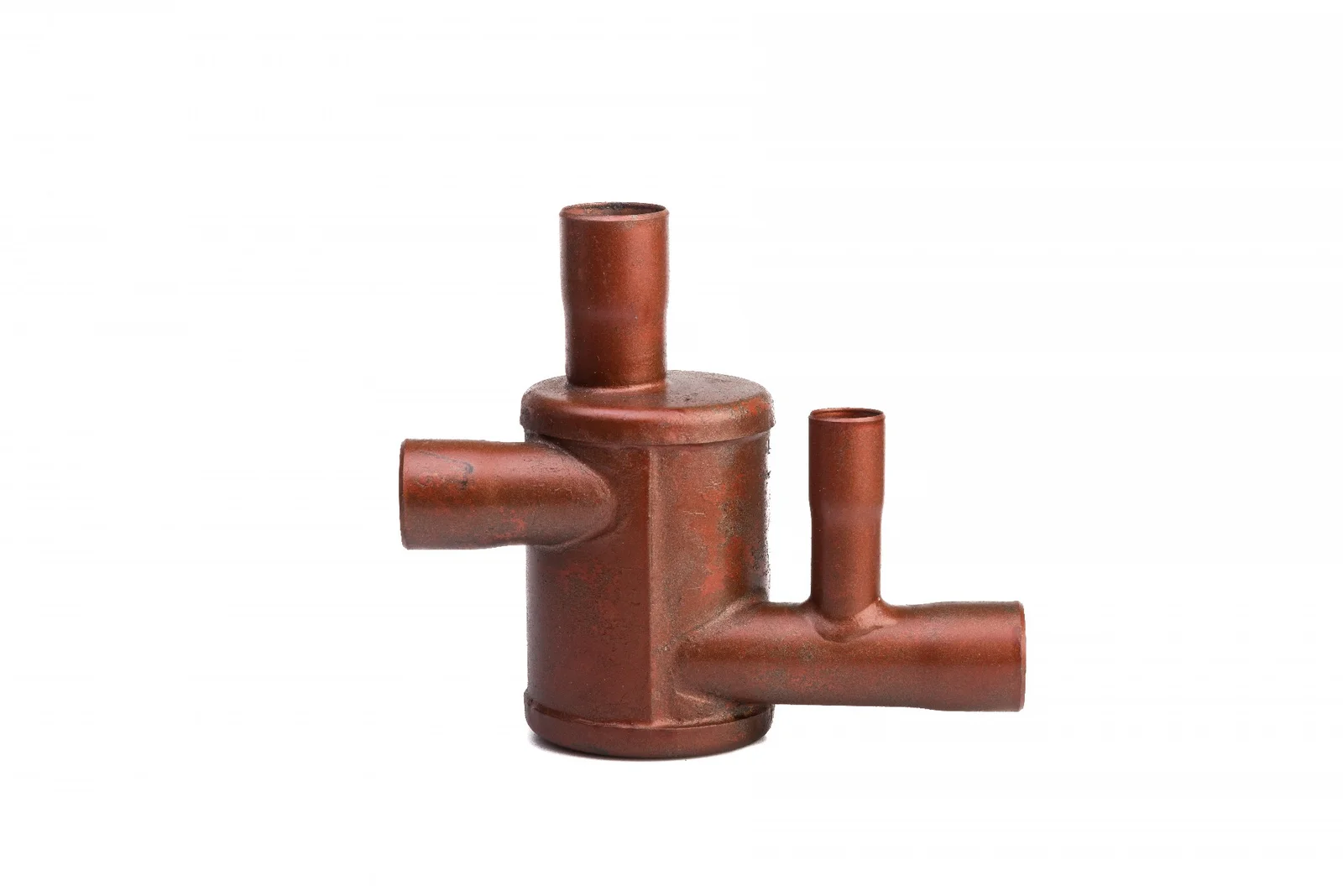
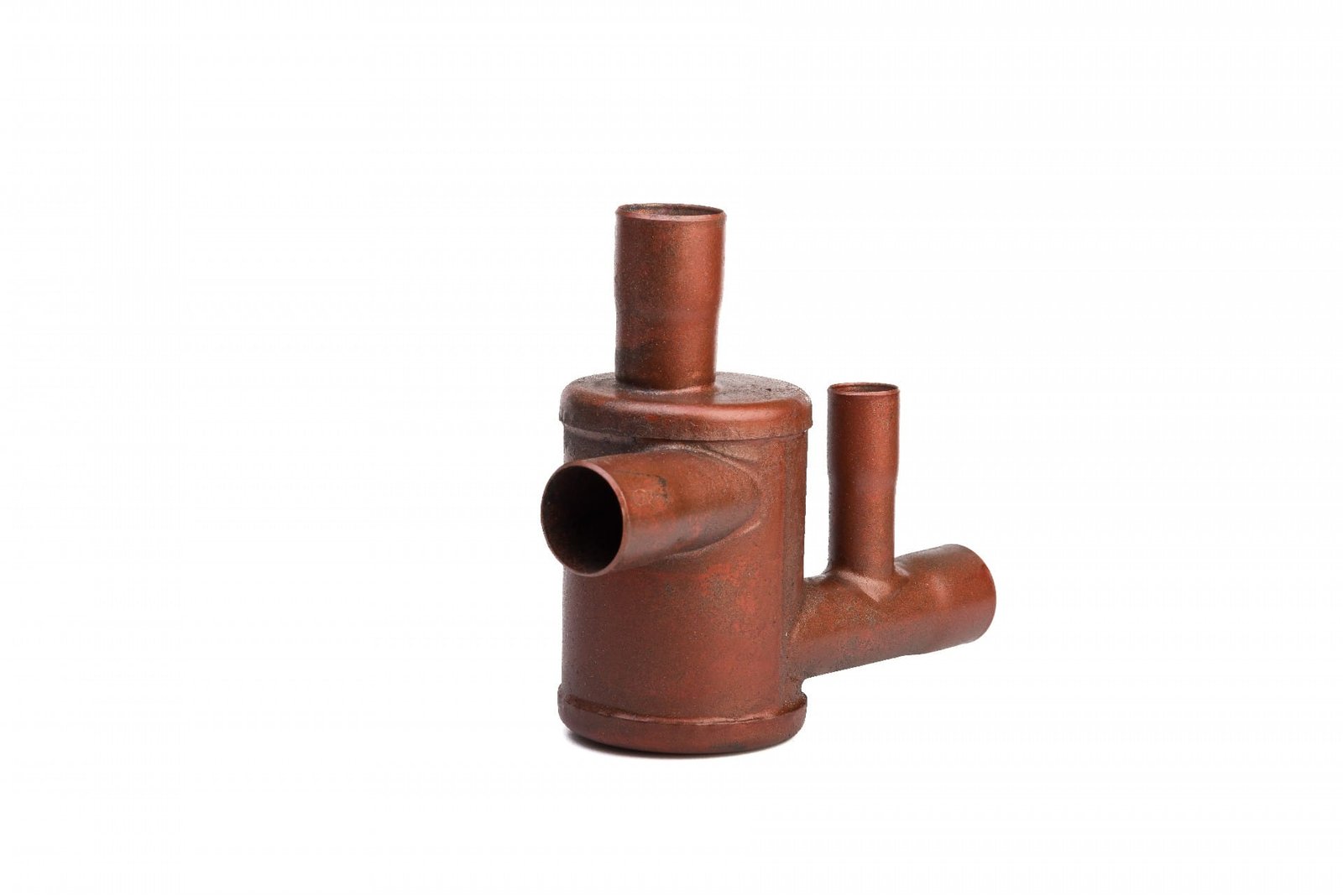
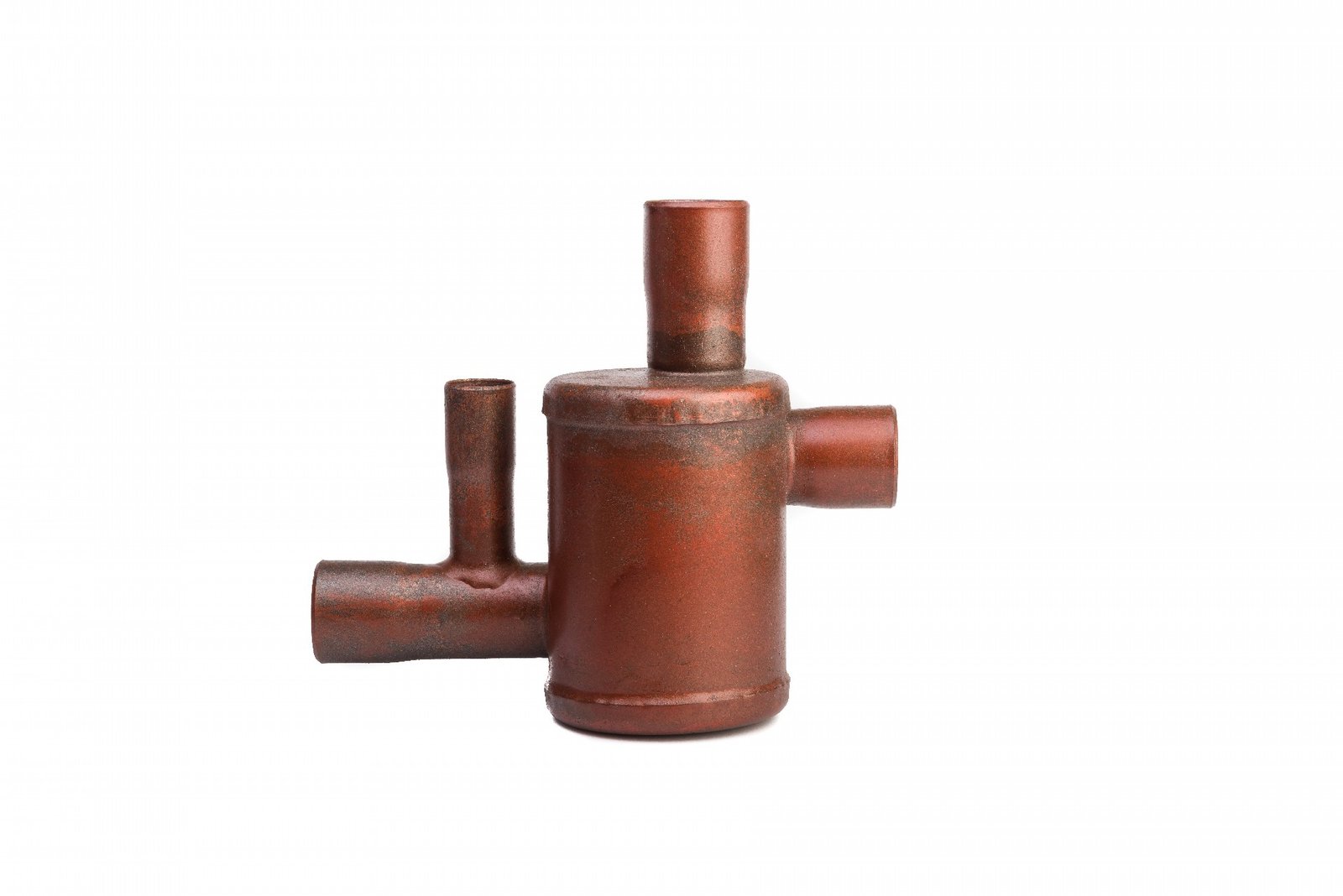
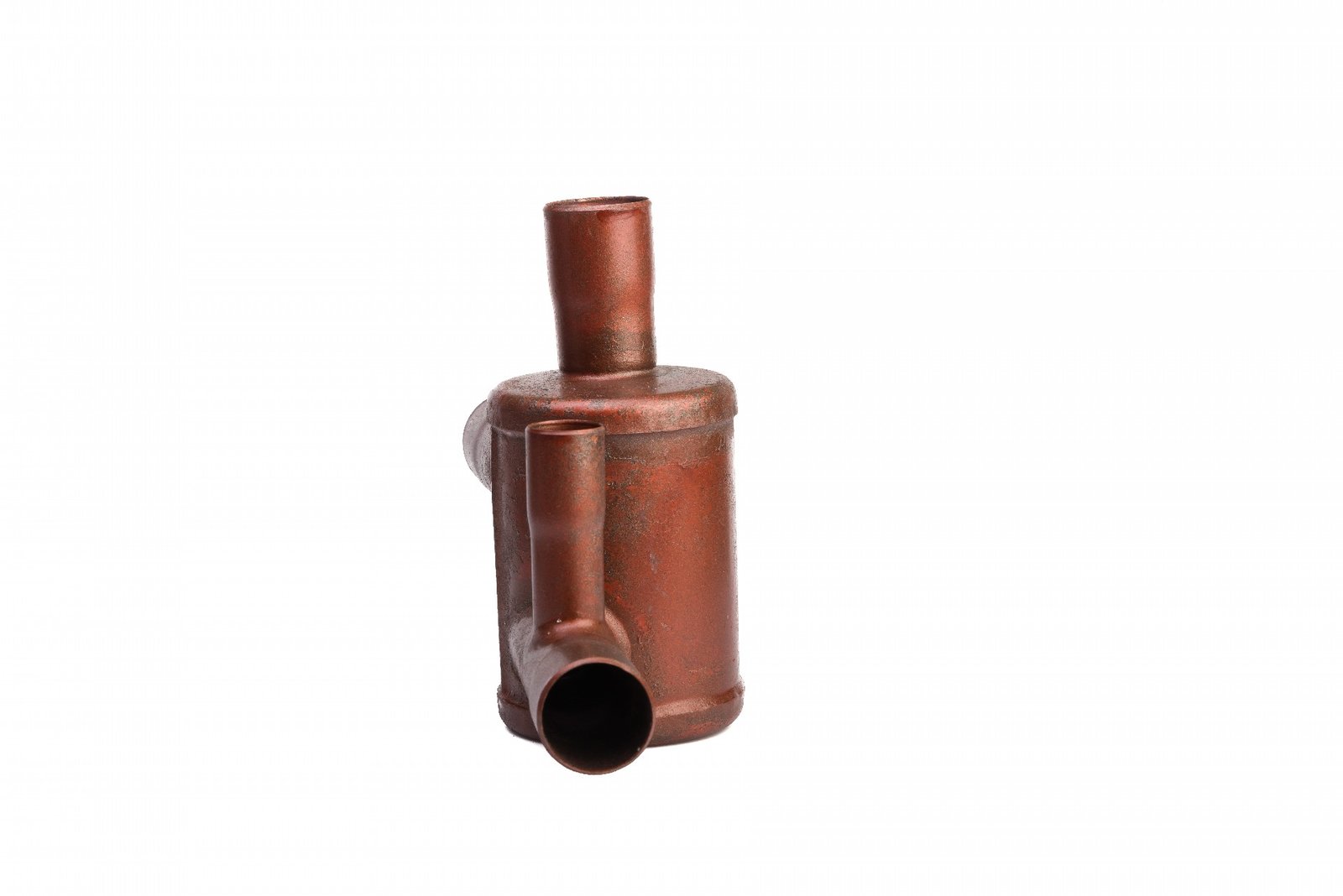
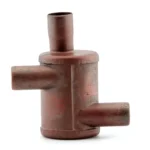
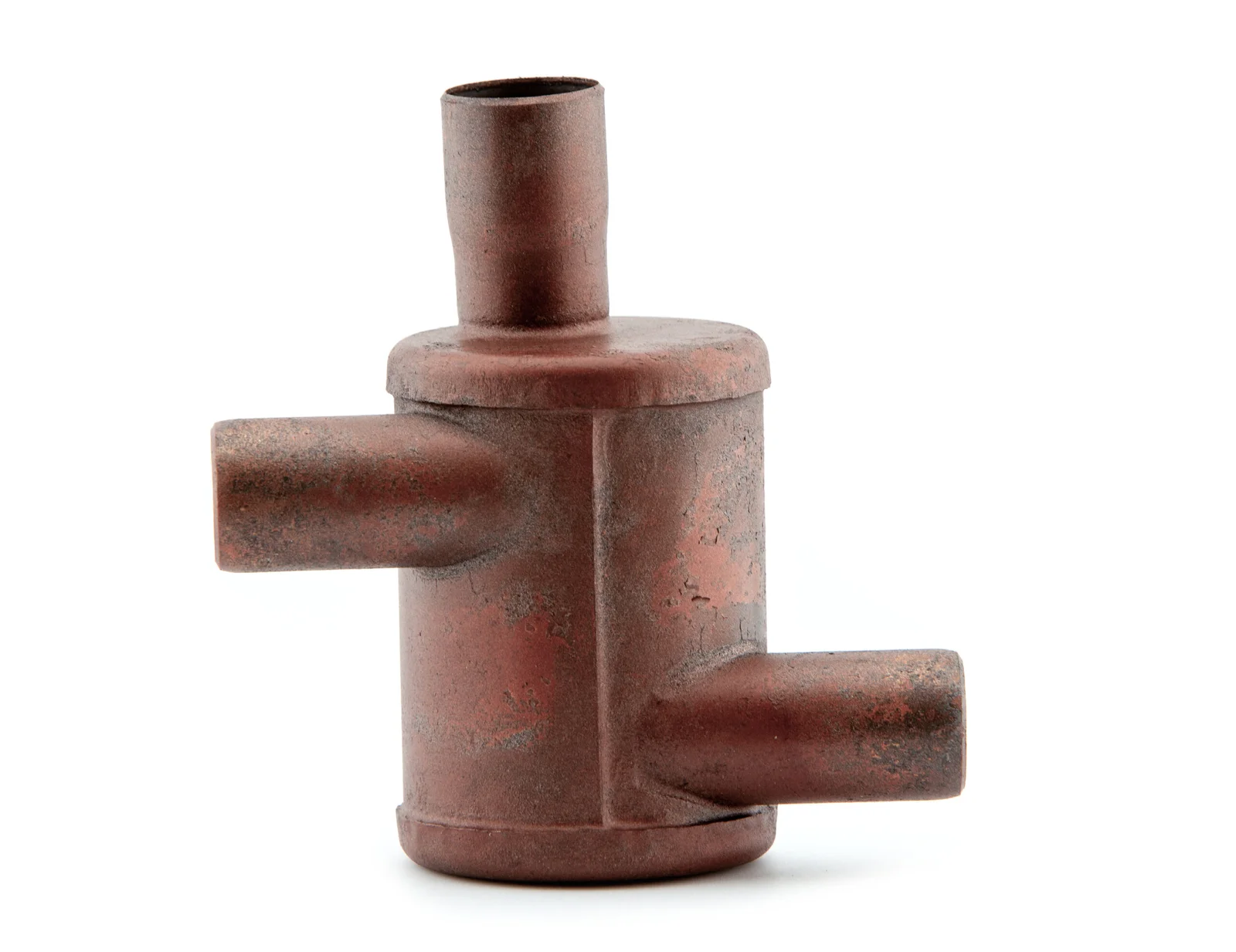
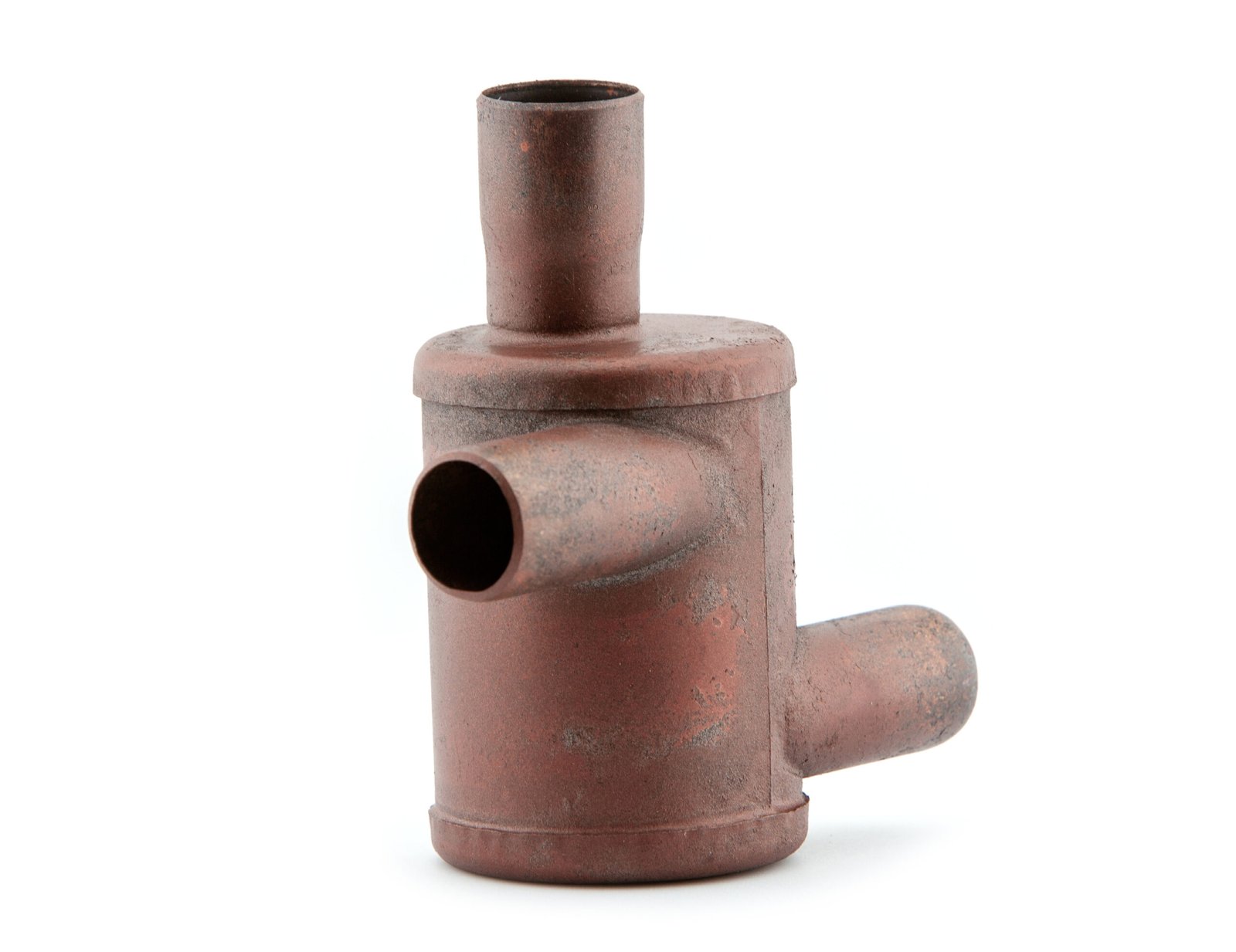
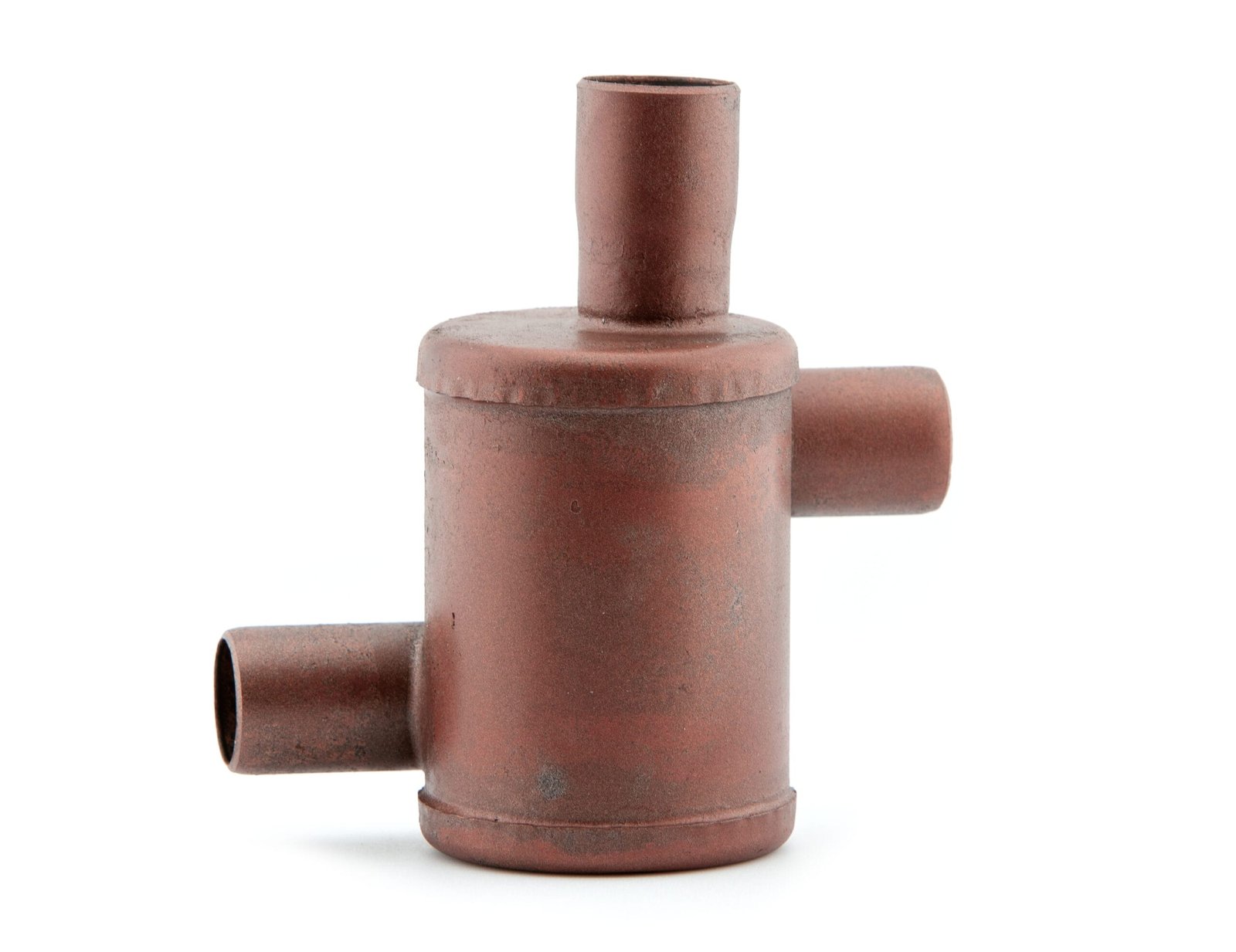
This is a small in‑line automatic air separator for domestic open‑vented heating systems. It uses a simple, passive internal geometry to collect and expel entrained air from circulating water so that bubbles are encouraged to rise into a dedicated vent connection; the separated air is routed via a small vent pipe to the system feed and expansion tank. The result is quieter radiators and pipework, reduced risk of airlocks and less cavitation stress on the pump.
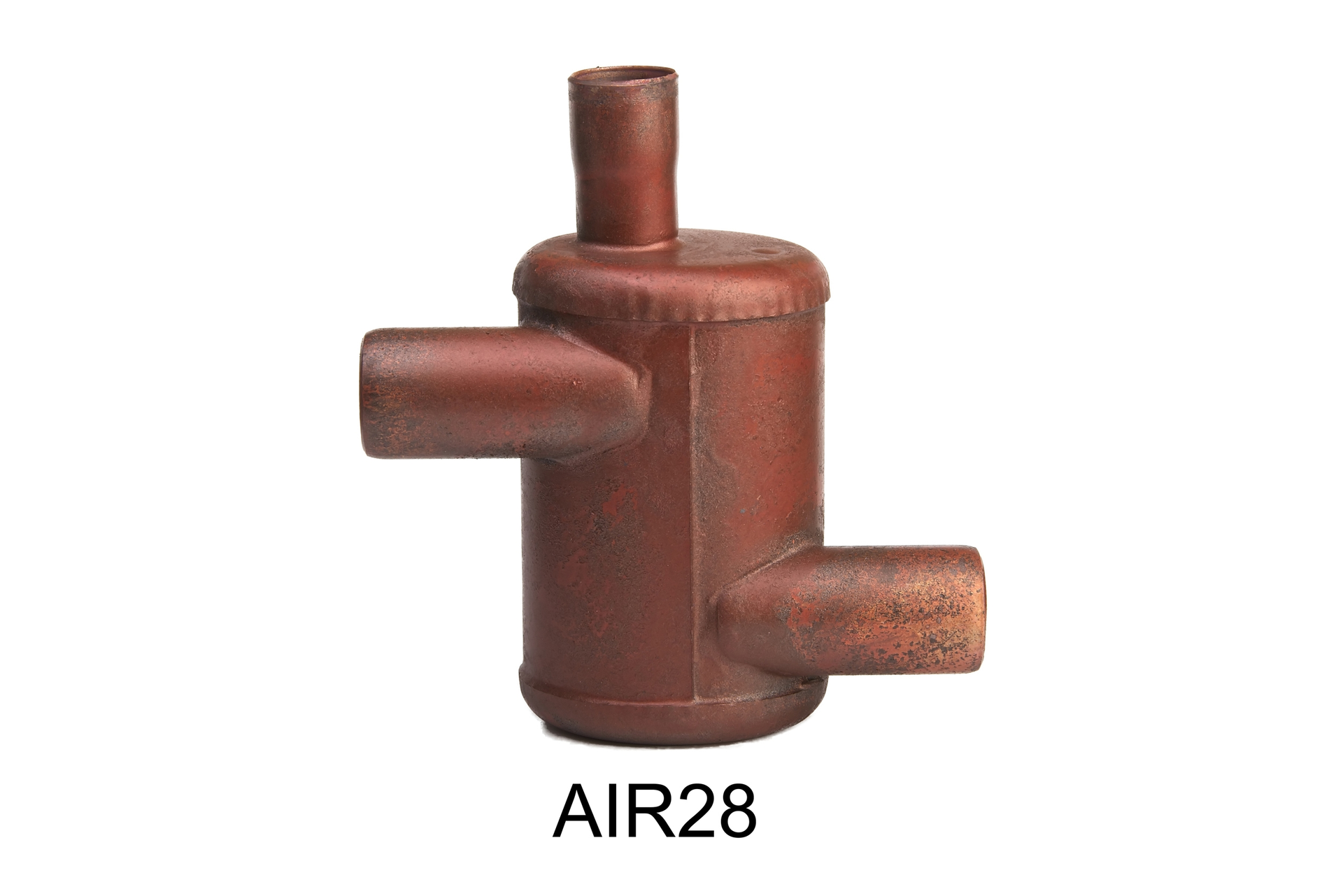
The part covered here is the 22mm solder‑connection version (product code AIR22) supplied by Tower (TFC Group). Tower also lists a cold‑feed variant (AIR22CF) and a 28mm body (AIR28), but the AIR22 is the standard 22mm soldered unit used across many professional installations.
How it works in practice
There are no moving parts to service. Flow through the body creates a localised condition in which dissolved and entrained air collect in the separator chamber; this air migrates upwards to the top outlet and exits along the vent tube to the expansion tank. Because the device removes air continuously and progressively while the system circulates, it prevents the build‑up of pockets of air that cause noise, uneven heat distribution and additional wear on pumps.
Where to fit it and installation notes
The AIR22 is intended to be fitted in the flow between boiler and pump; manufacturer guidance calls out a minimum and maximum distance from the pump and advises best performance when the separator outlet is close to the pump. It must be soldered into copper pipework — it is not compatible with compression fittings or push‑fit connections — and the vent connection should be piped so it terminates safely over the feed & expansion tank (this is essential on open‑vented systems so expelled air can vent correctly).
Suitability, advantages and limits
- Designed for open‑vented domestic heating systems — it is not a sealed‑system air management device.
- Simple and robust: no moving parts and minimal maintenance other than ensuring the vent pipe remains clear.
- Helps reduce noise, potential airlocks and pump cavitation — a commonly specified part for trade installs and used on professional jobs.
- Available as a straight 22mm soldered unit; a cold‑feed option is offered for installations that need an additional feed connection, and a 28mm body is offered for larger pipework runs.
Practical points for buyers and installers
Buy this if you or your installer need a compact, low‑cost way to remove entrained air from an open‑vented heating circuit and you can solder it into place on 22mm copper pipework. It’s commonly carried by trade distributors and is straightforward to fit for any competent plumber who can solder copper joints. If your system is sealed/pressurised, or you need a push‑fit/compression connection, choose a device designed for that system type instead — the AIR22 is a soldered, open‑vent solution.
Routine checks are simple: confirm the vent line to the expansion tank is intact and unobstructed, and inspect for tell‑tale signs of trapped air (noisy radiators, intermittent heat). Because the unit has no moving parts, long‑term reliability is good provided the venting route remains effective and water treatment/inhibitor levels are maintained to reduce corrosion and magnetite formation.
Key specifications
- Model: AIR22 (22mm solder connections). AIR22CF = 22mm cold‑feed option; AIR28 = 28mm version
- Pipe size: 22mm (soldered copper)
- Connections: soldered only — not suitable for compression fittings
- Intended systems: open‑vented domestic heating systems
- Operation: continuous automatic air separation and venting; no moving parts
- Typical placement: in the flow between boiler and pump; manufacturer guidance gives a recommended proximity to the pump (manufacturer distance guidance applies)
- Material: brass body
- Pack dimensions / weight (trade listing): approx. 115 × 128 × 55 mm; weight ~0.179 kg
If you need help choosing between the 22mm and 28mm bodies, consider the pipework size and the flow rates in the circuit: the 22mm unit is the common domestic choice and has a cold‑feed variant if a separate feed is required. Ask your installer to confirm the correct location and to solder the unit in place so the vent route to the expansion tank is effective.