
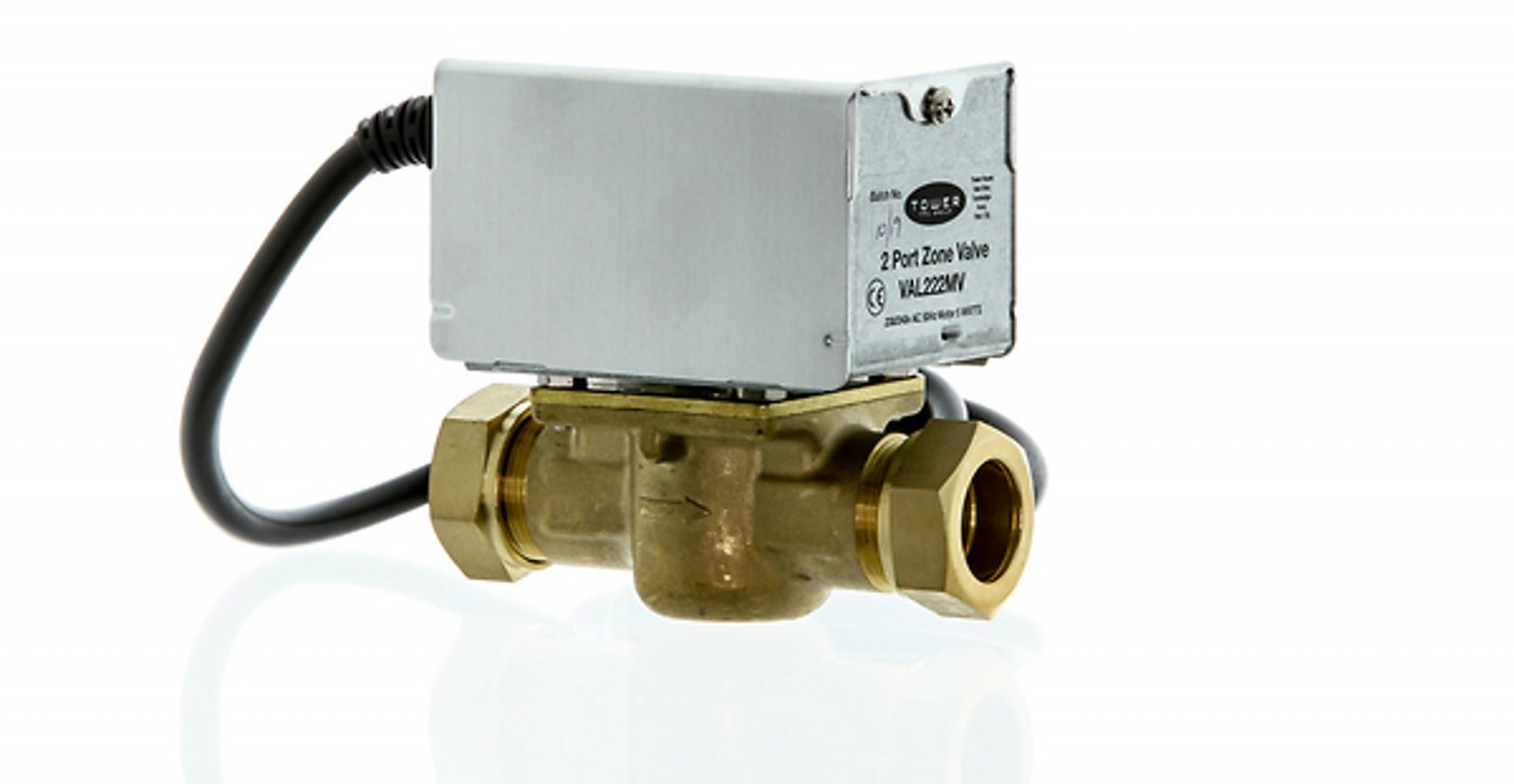
Description
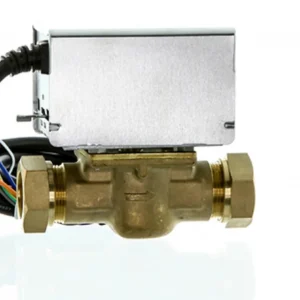
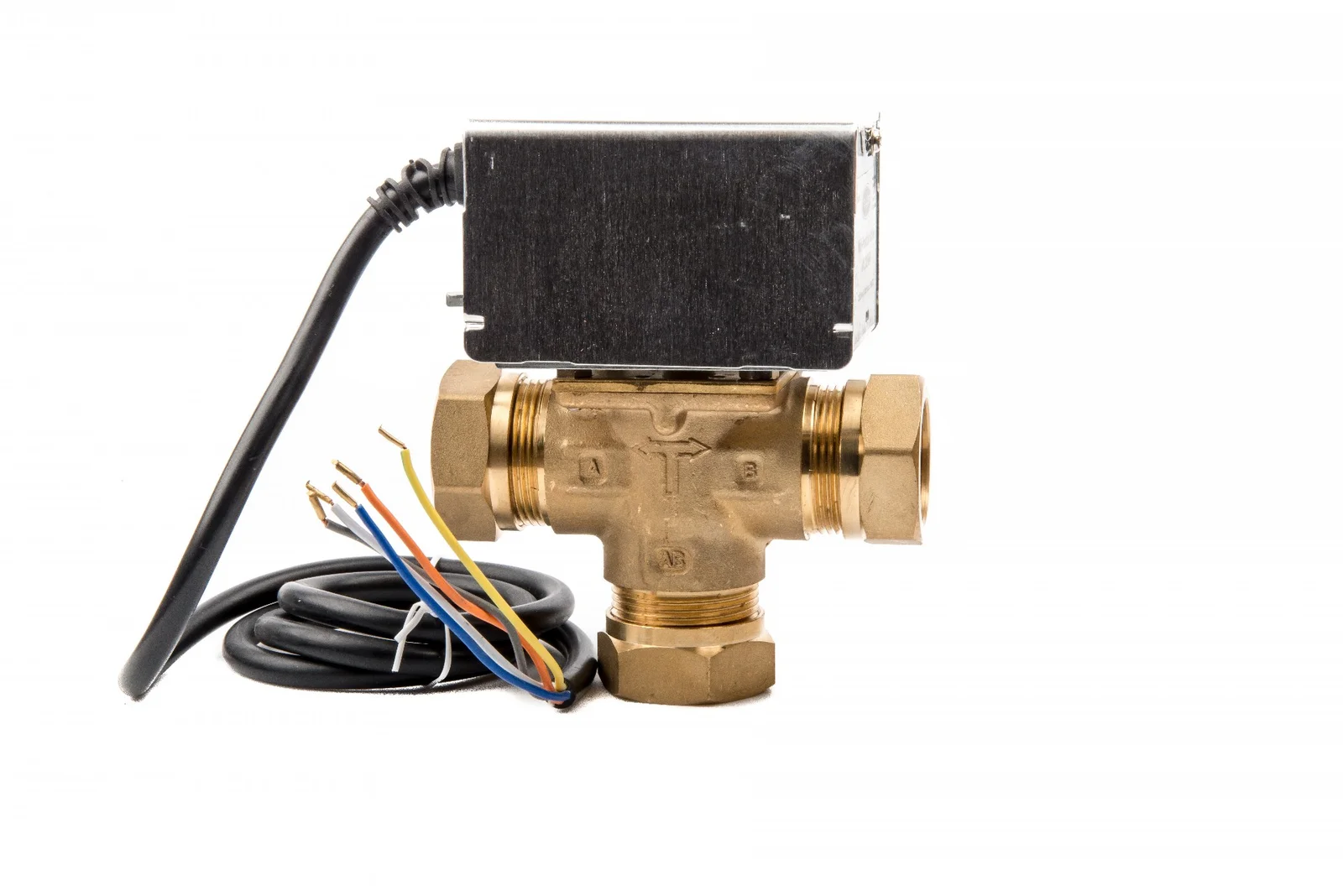
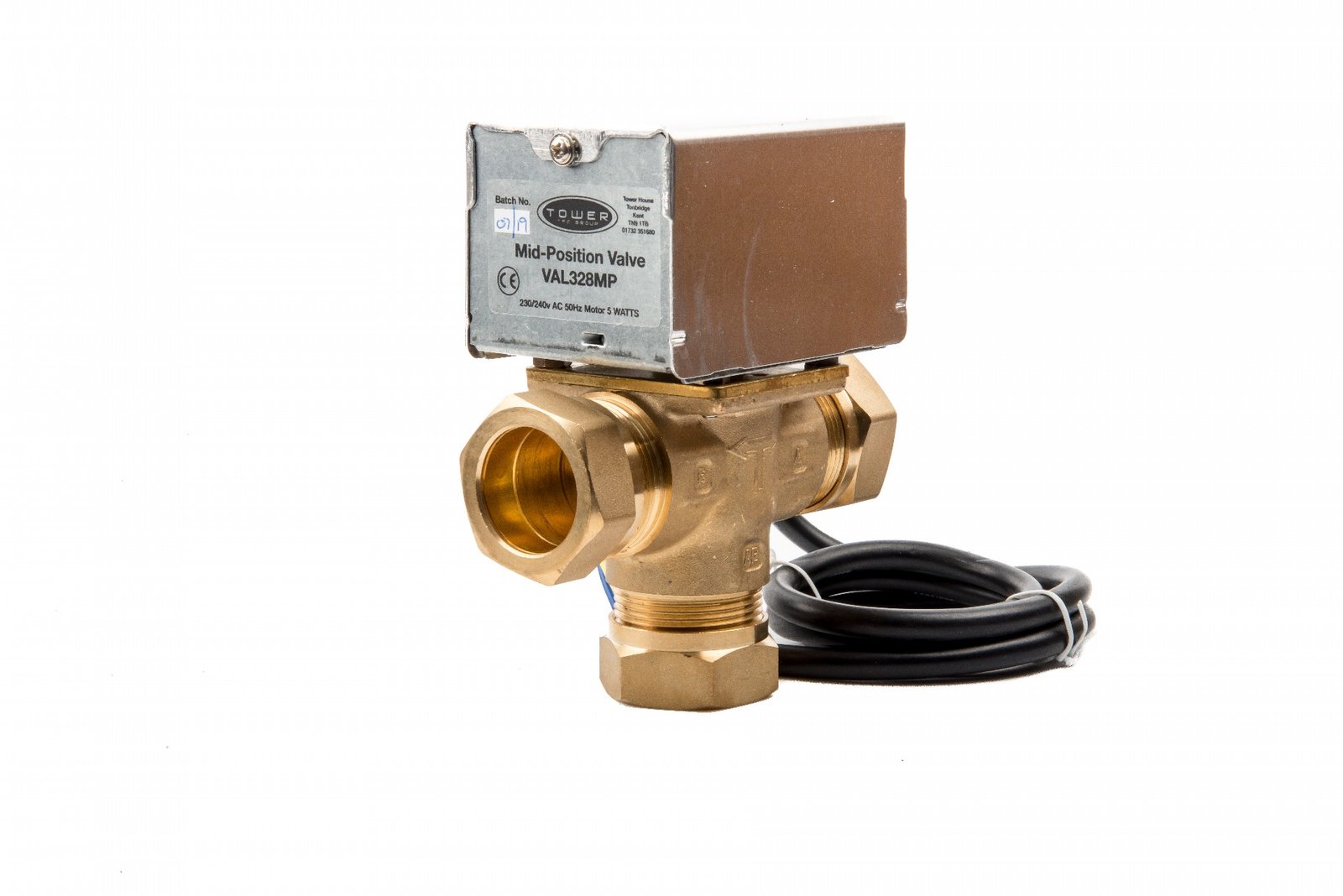
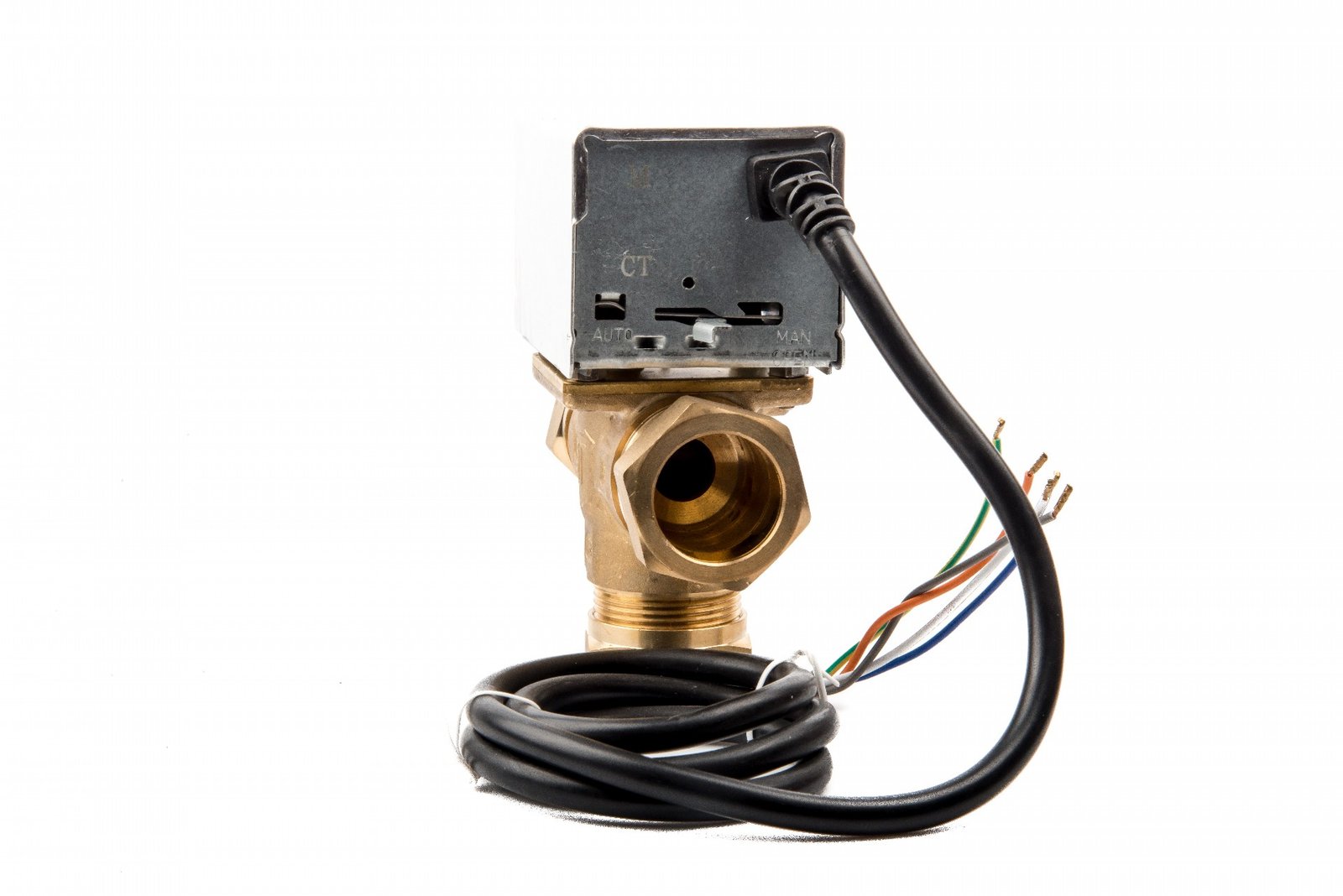
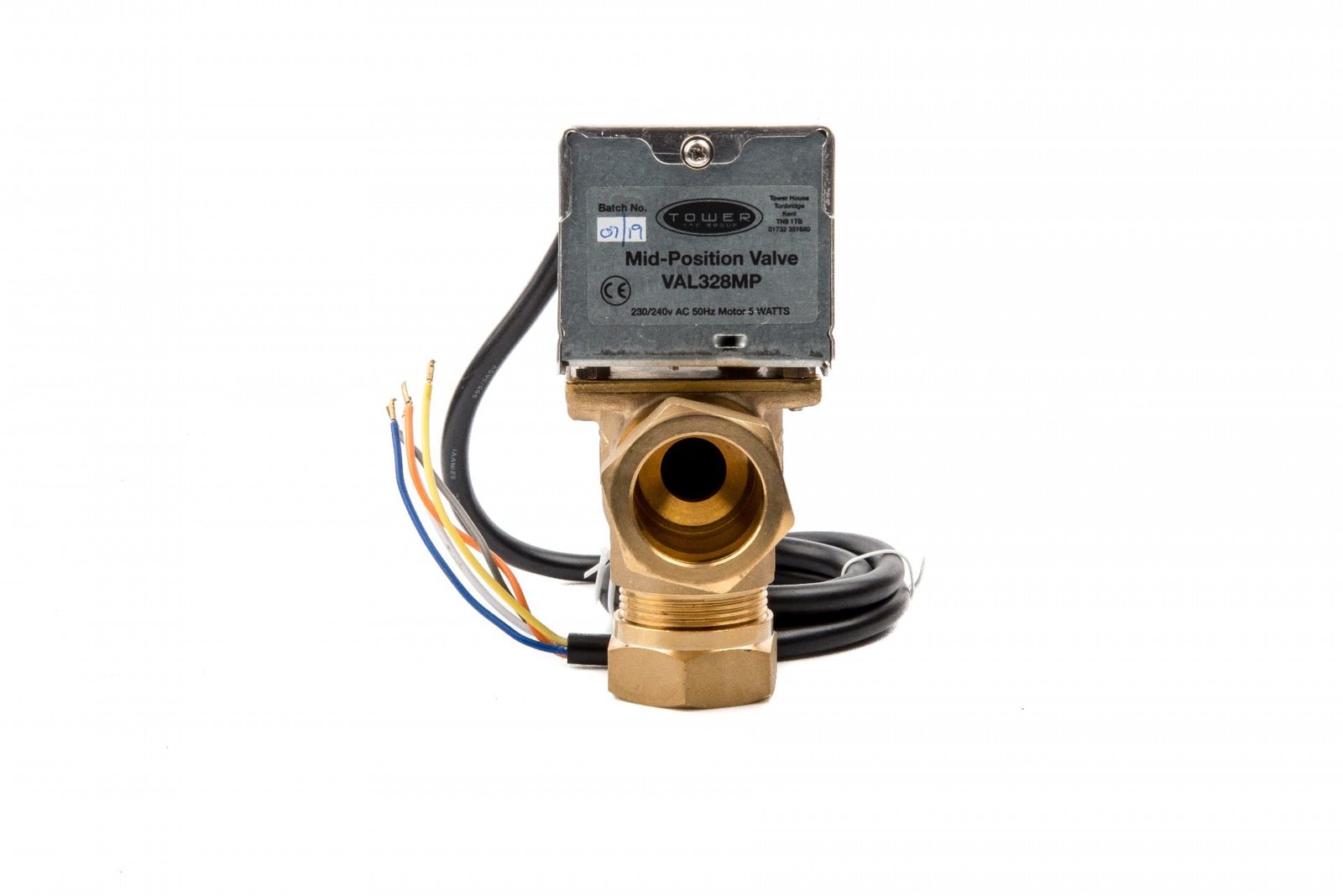
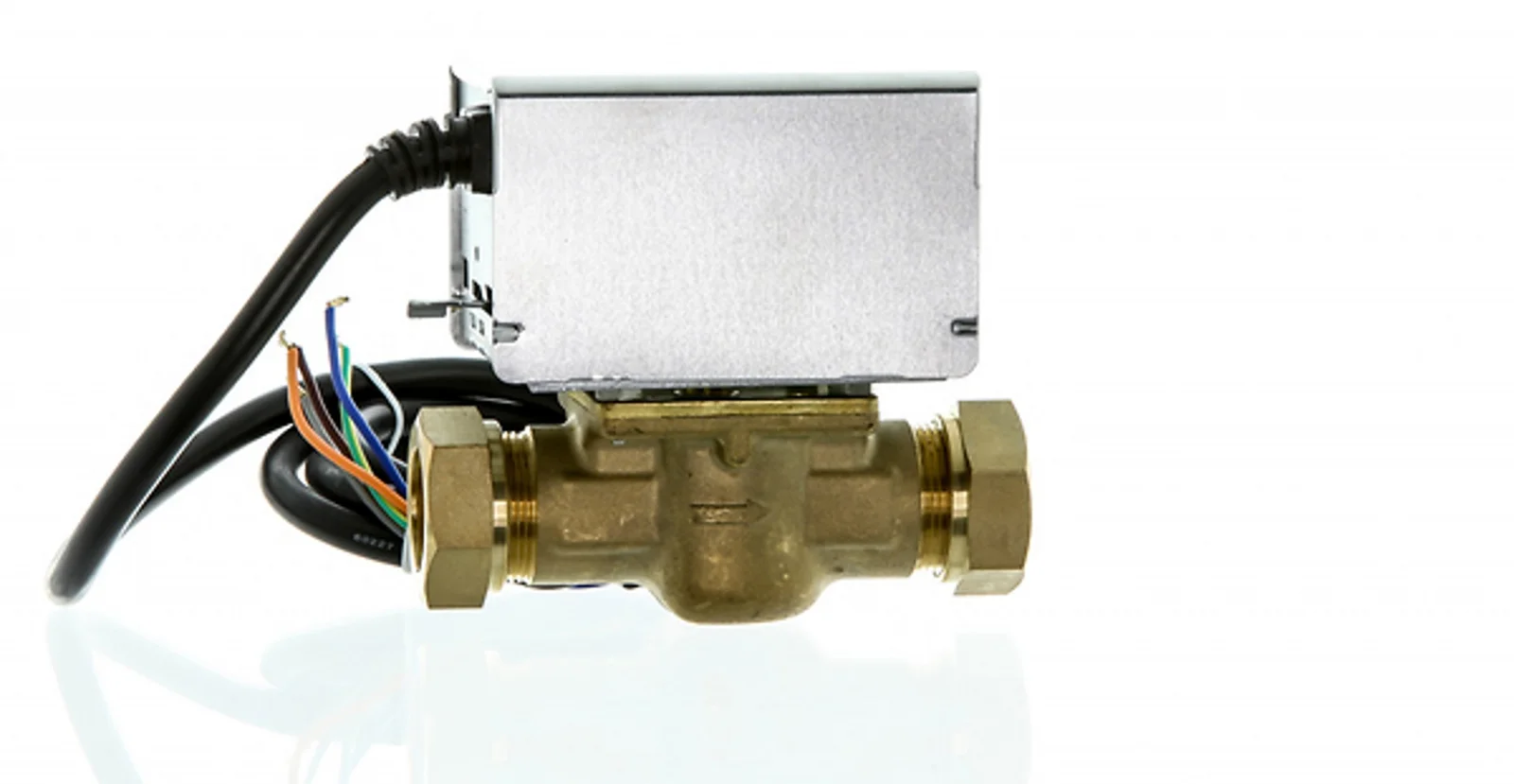
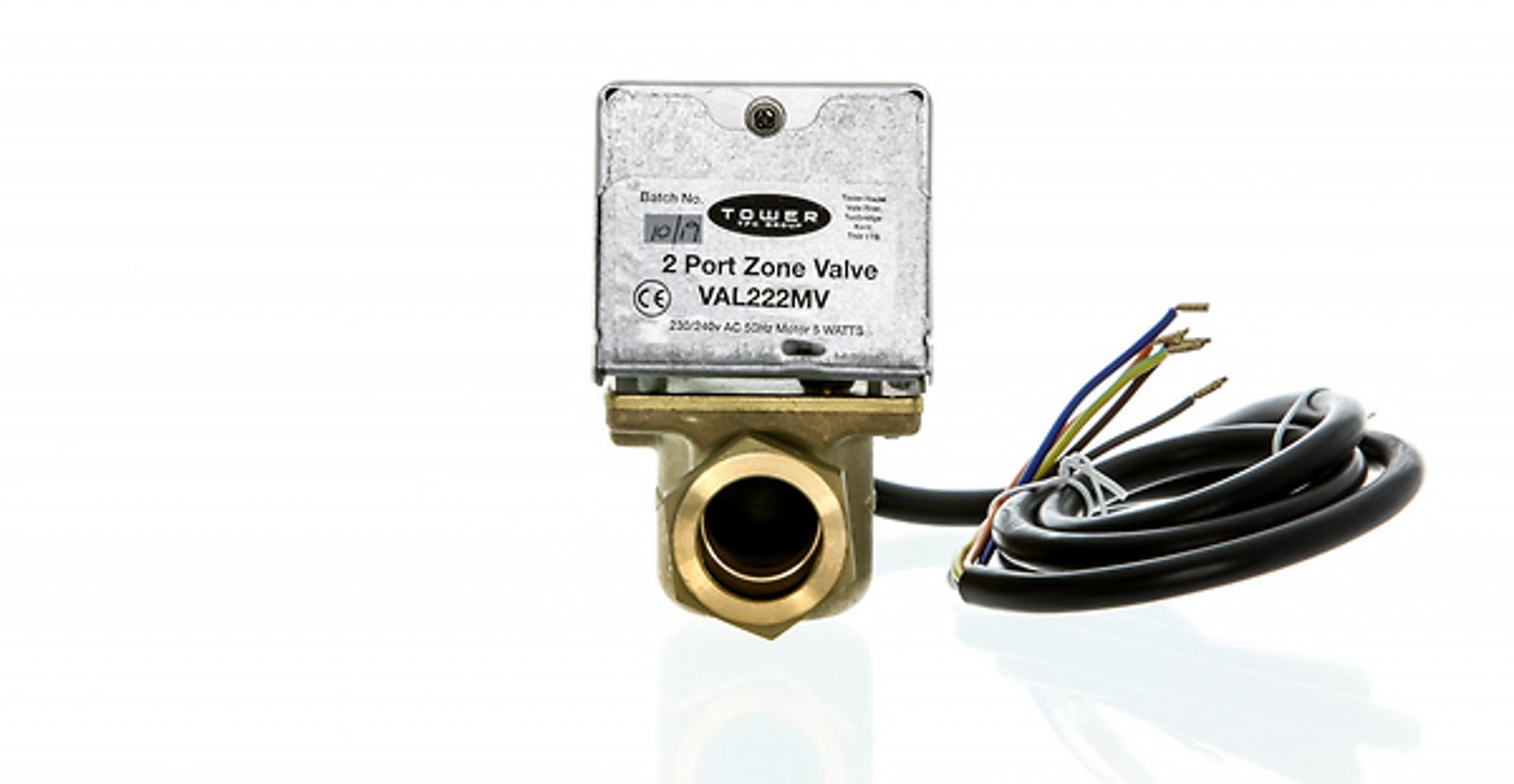
The VAL222MV is a simple, workmanlike 2‑port motorised zone valve intended for domestic central‑heating and hot‑water systems. It sits in a pipe run with 22mm compression connections and, when energised, the synchronous motor opens the valve to allow flow; if power is removed the built‑in spring returns the valve to the closed position. That fail‑safe behaviour plus an integral auxiliary switch for boiler or pump interlock makes this a straightforward choice where reliable, low‑cost zone control is required.
Key specifications
- Pipe size: 22mm compression connections
- Supply: 220–240V AC, 50Hz; power consumption 6W
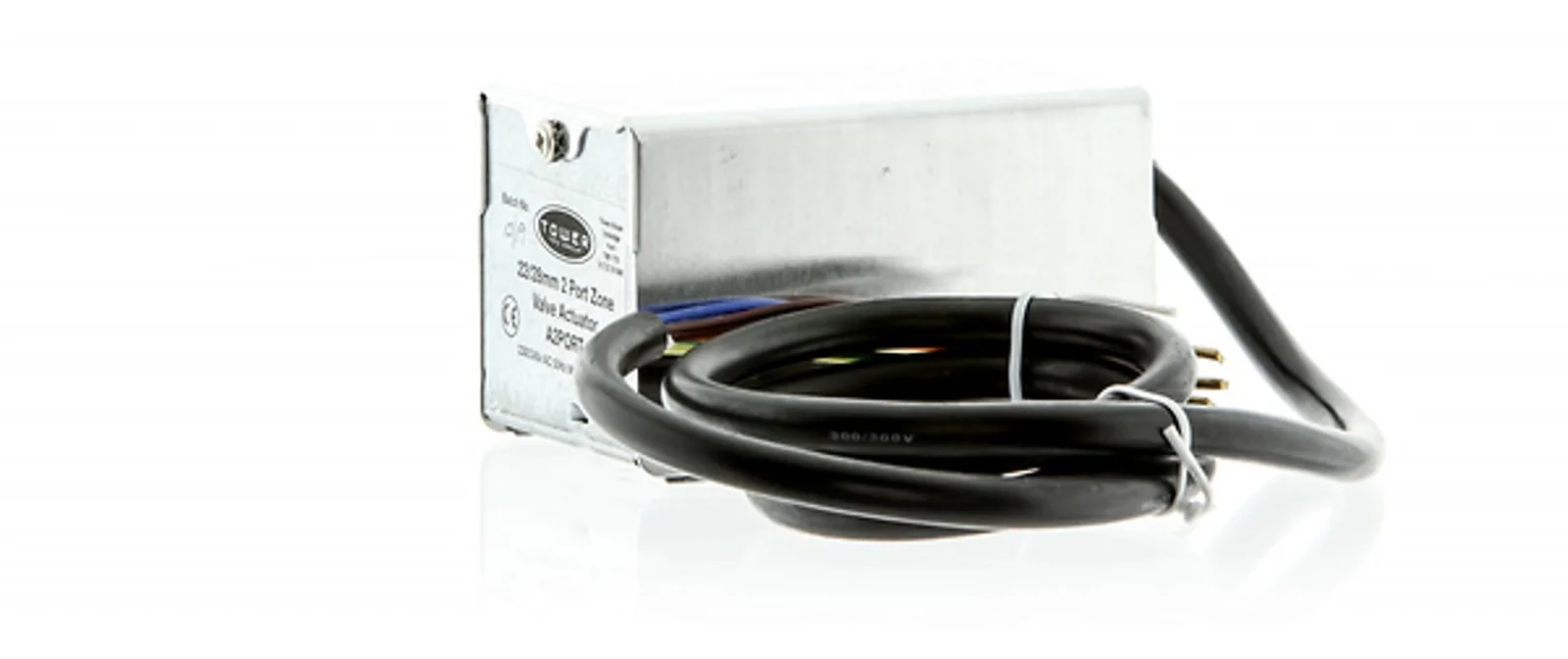
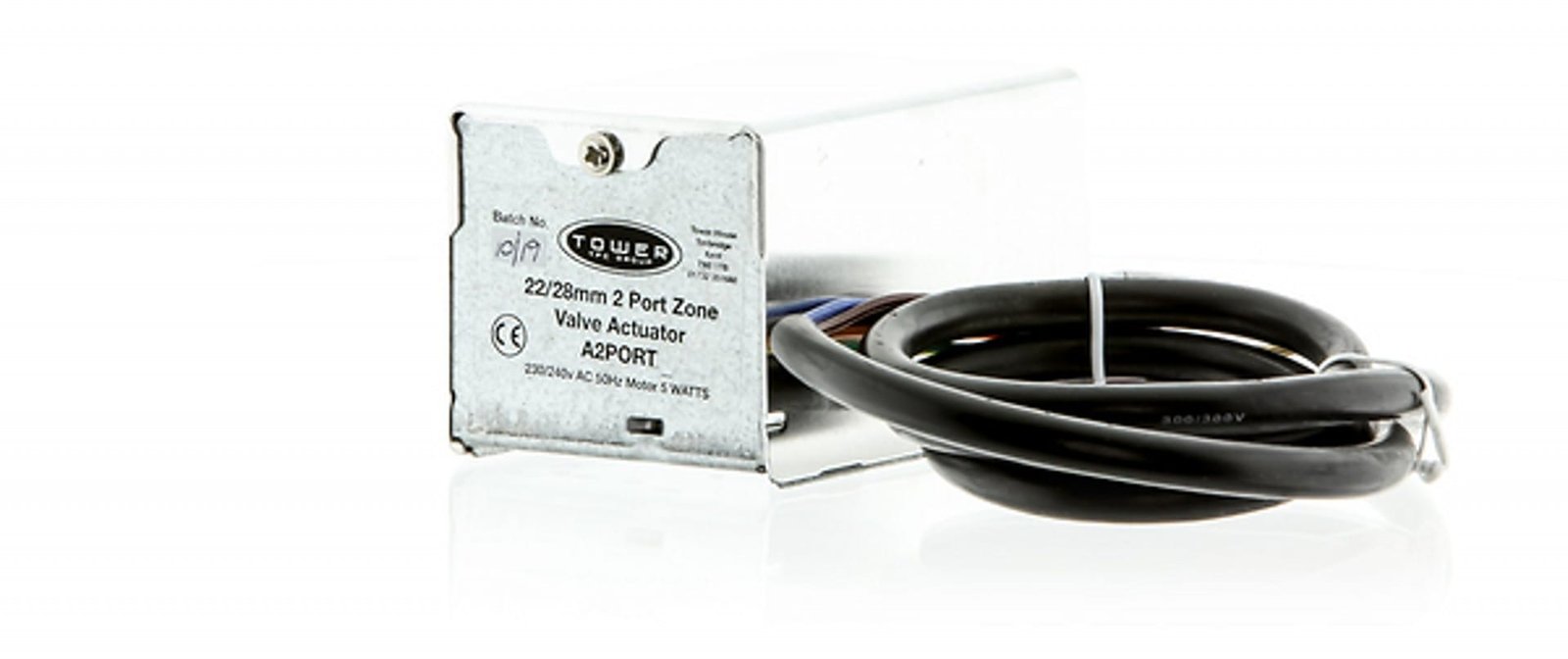
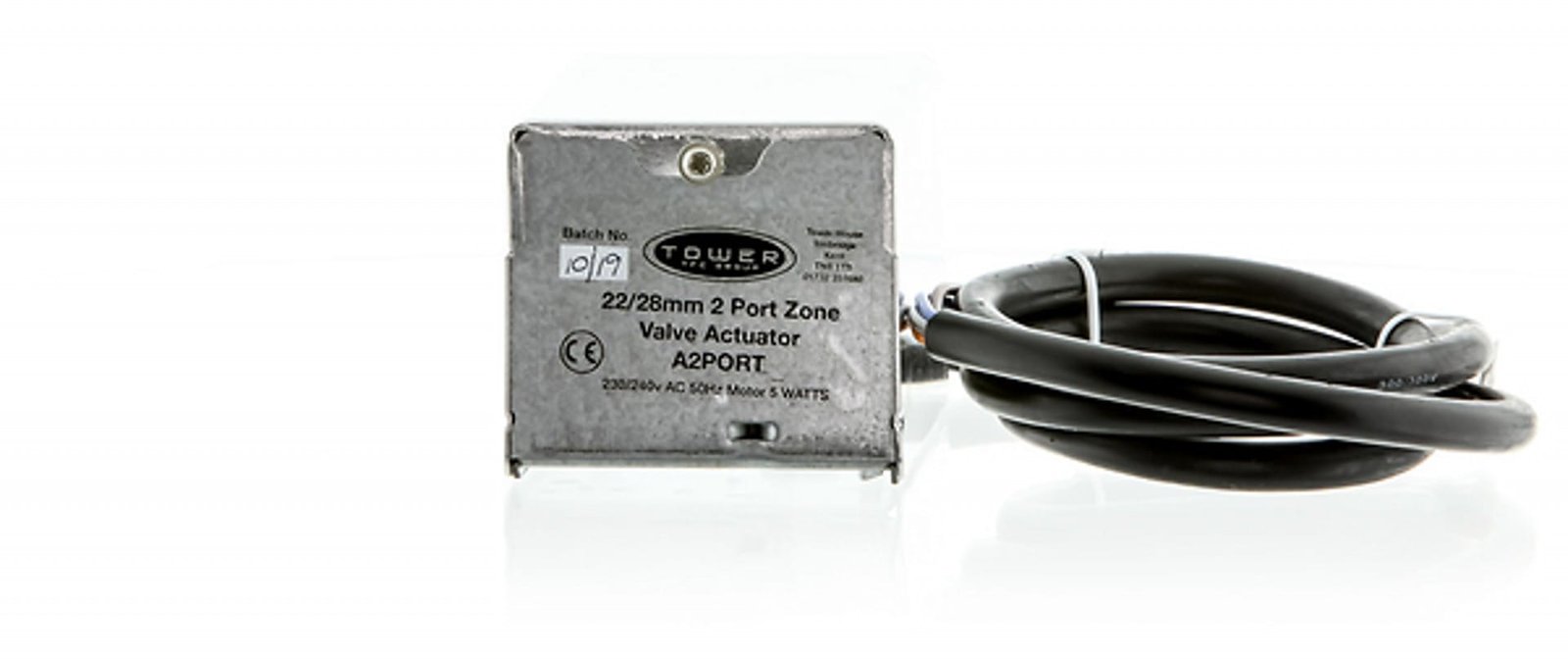
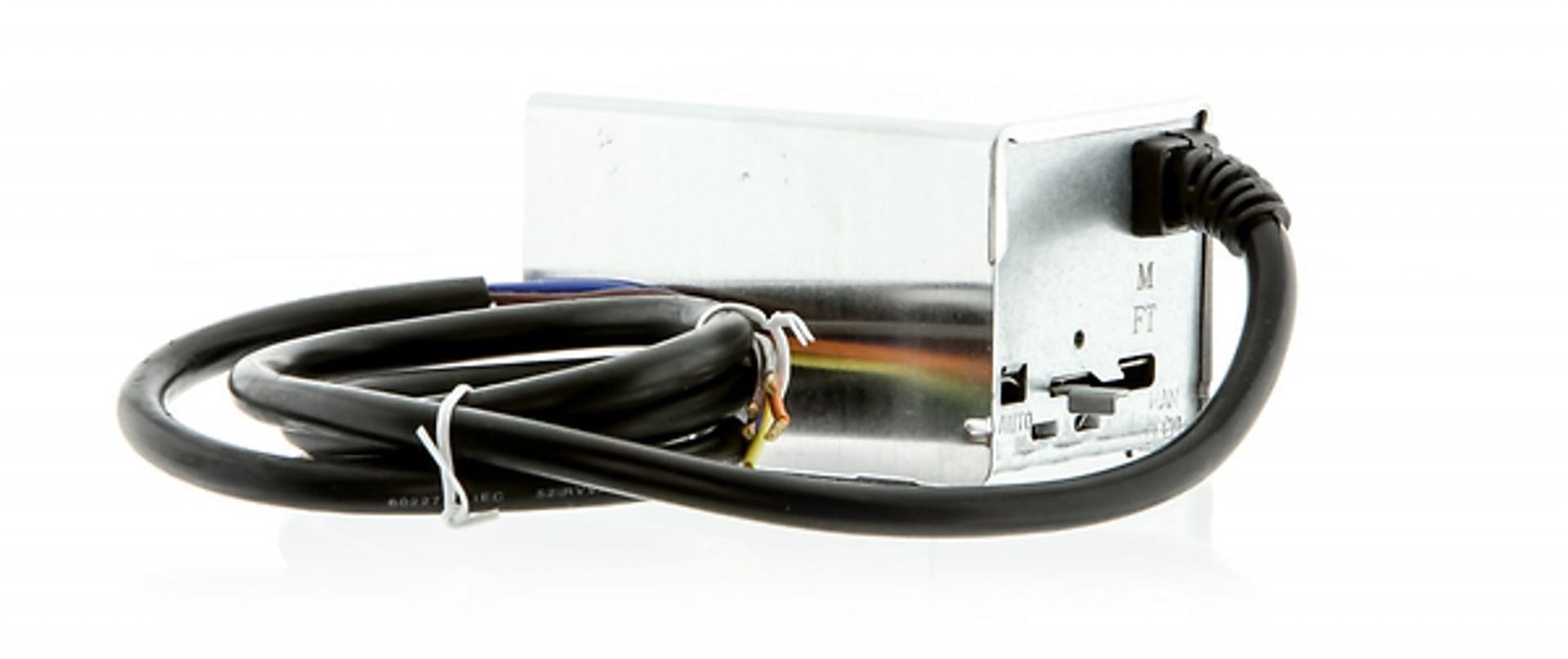
- Actuator: synchronous motor with spring‑return; 1m pre‑wired 5‑core cable
- Auxiliary (end) switch fitted — switch rating approx. 3A (resistive)
- Operating temp: +5°C to +88°C; max fluid temp: 100°C
- Max differential pressure: 1 bar; max static/system pressure: 10 bar
How it works and where it suits
This valve is a two‑port device, used to route hot‑water flow on or off a zone under the control of a thermostat, programmer or room stat. The five core cable uses the familiar industry colour coding (brown live, blue neutral, grey and orange for the end‑switch circuit, green/yellow earth) so it integrates easily with standard heating controls. When a room stat calls for heat the valve’s motor receives mains power, turns to the open position, and the auxiliary (end) switch closes to tell the boiler or circulating pump it can fire. When the call ends, the motor is de‑energised and the internal spring closes the valve — a useful safety feature where loss of control power must revert the system to closed.
Installation, wiring and commissioning notes
The VAL222MV arrives with 22mm compression fittings and a one‑metre, five‑core flex so it can be fitted into existing 22mm copper pipework without special adapters. There is a manual AUTO/MAN lever on the actuator: set it to MAN for filling, venting or draining so the head can be operated without power. The actuator head is replaceable without a full system drain, which can make servicing quicker if the motor fails.
Two practical cautions to bear in mind: do not use the actuator as a lever when tightening the valve — use the wrench flats on the valve body — and follow the wiring colour code precisely; the orange and grey conductors form the end‑switch circuit. The valve’s auxiliary switch is intended to sequence boiler/pump operation but is rated for low currents (resistive loads in the region of a few amps), so check the boiler’s control input requirements or use an appropriate relay if higher current is involved.
Advantages and limitations
Advantages are straightforward: low power draw (6W), standard wiring, simple replaceable actuator, and fail‑safe spring return. It’s a pragmatic, low‑cost component for fully pumped systems where a simple on/off flow control is required and where the system wiring expects an end‑switch feedback to the boiler.
Limitations reflect the valve’s domestic focus. The valve supports a maximum differential pressure of about 1 bar and a maximum static pressure of around 10 bar; it is not intended for high‑pressure industrial systems. The auxiliary switch is a small‑current contact — it is suitable for standard boiler interlock signals but not for switching large loads directly. The valve is mechanically and electrically basic by design; if you need modulating control, higher pressure capability or an integrated valve position feedback for advanced building management, choose a different class of actuator or a specialist modulating valve.
Practical compatibility and spare parts
The VAL222MV uses industry‑standard five‑core colours and a commonly configured synchronous spring‑return actuator, so replacement actuator heads and aftermarket spares are widely available from heating‑trade suppliers. For a like‑for‑like repair check the model number and ensure any replacement actuator is specified for the same supply voltage and end‑switch rating. If in any doubt, match the part number on the valve body and consult the system installer or supplier before fitting a non‑original component.
Overall, this is a no‑nonsense, installer‑friendly zone valve: compact, energy‑efficient in operation, and sensible for the majority of domestic zoned heating installations where a simple open/closed control with boiler interlock is required.