Description
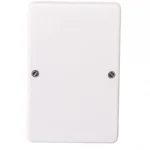
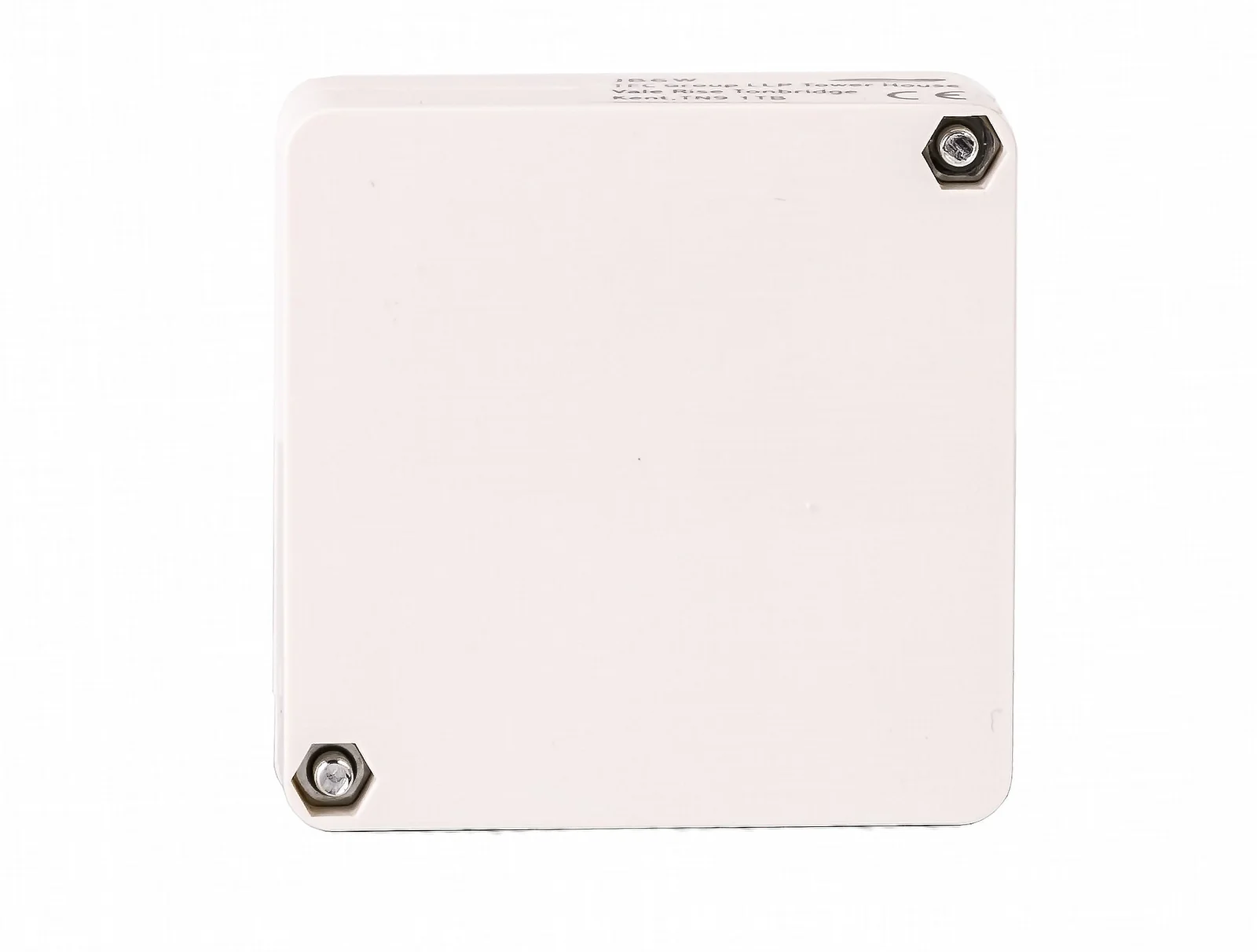
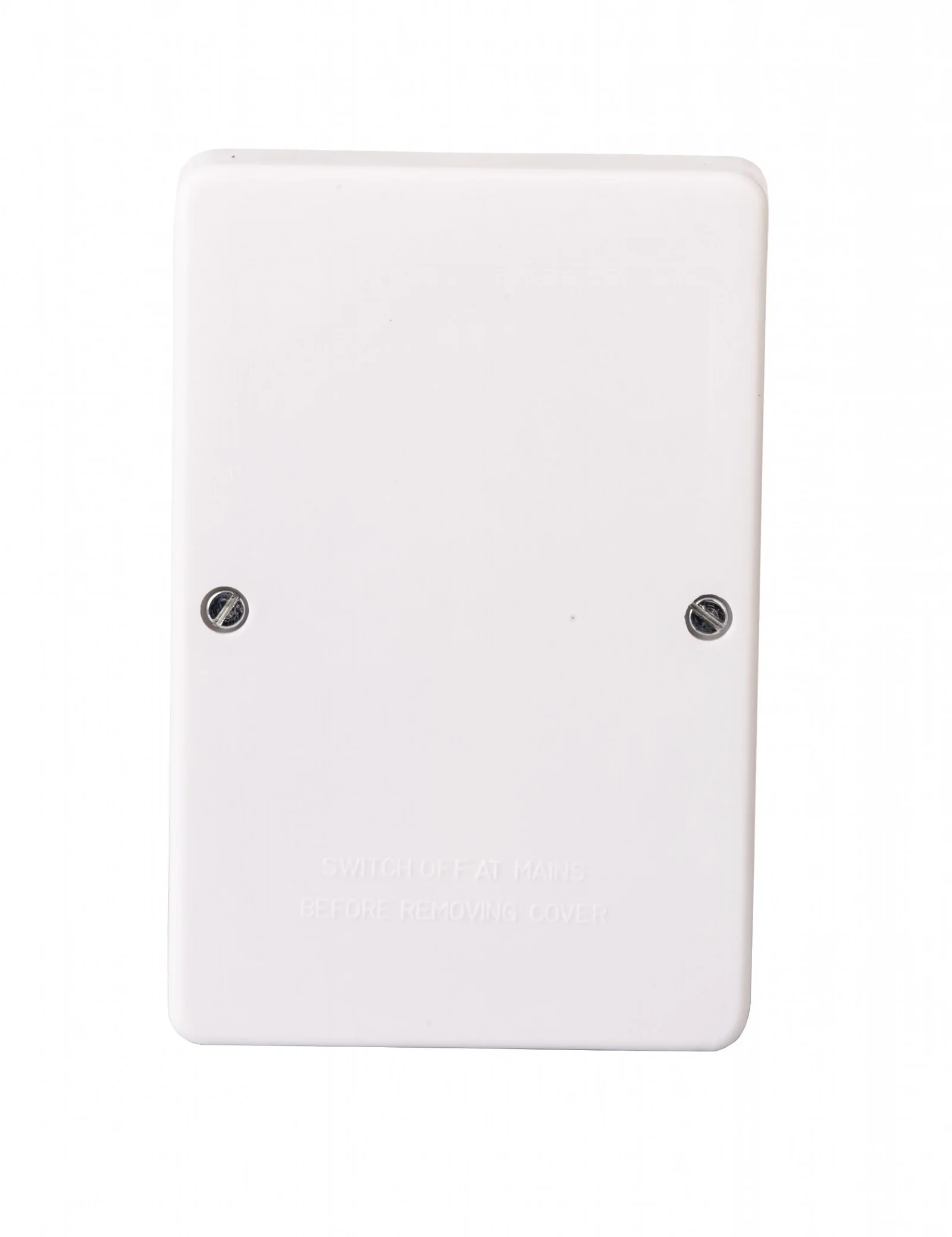
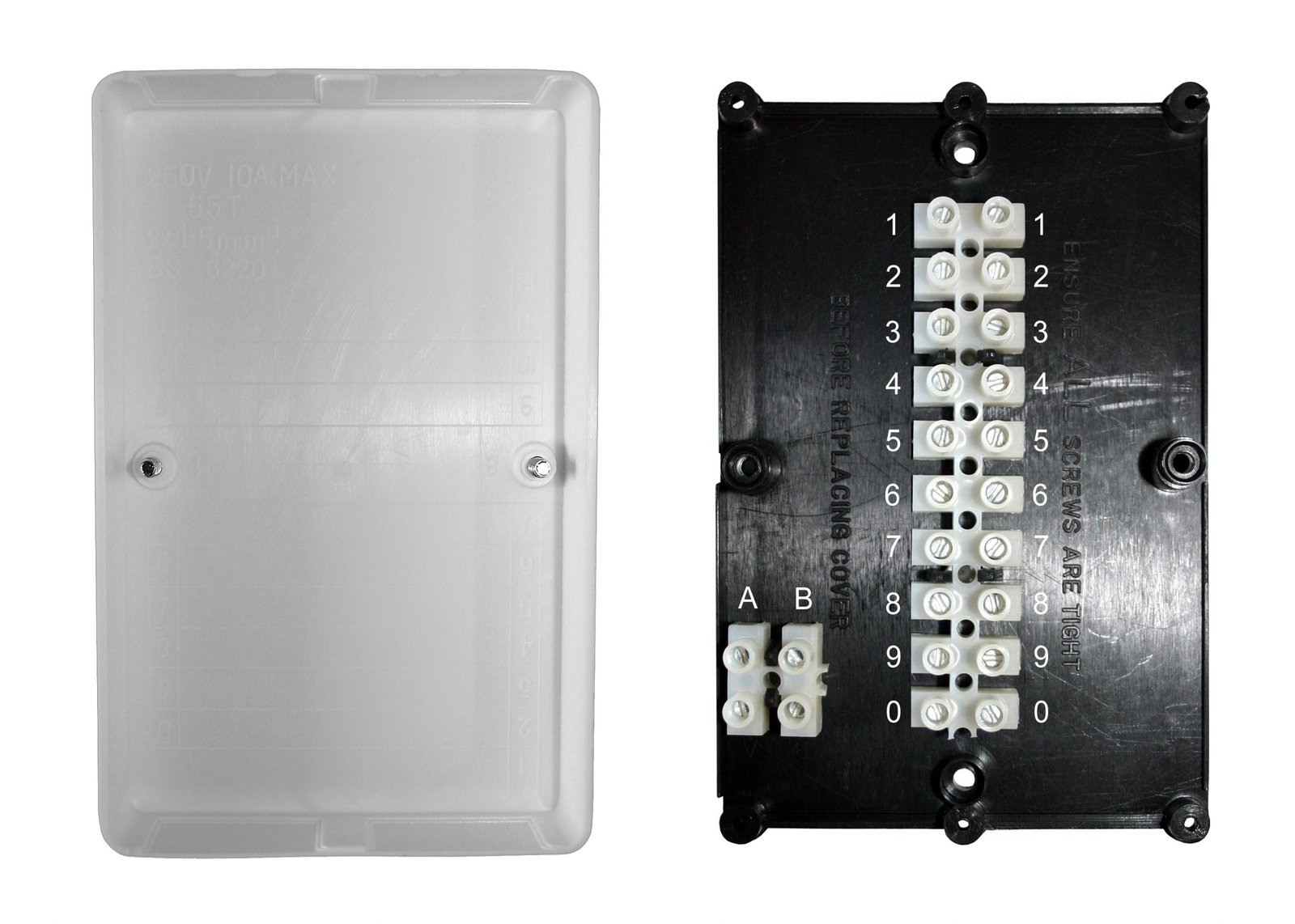
This is a simple, purpose-built junction box intended to tidy and centralise the control wiring used in domestic central‑heating installations. It isn’t an active control or relay module; instead it provides 12 double screw terminals in a compact plastic enclosure so programmers, thermostats, valve motors and pumps can be terminated neatly in one place.
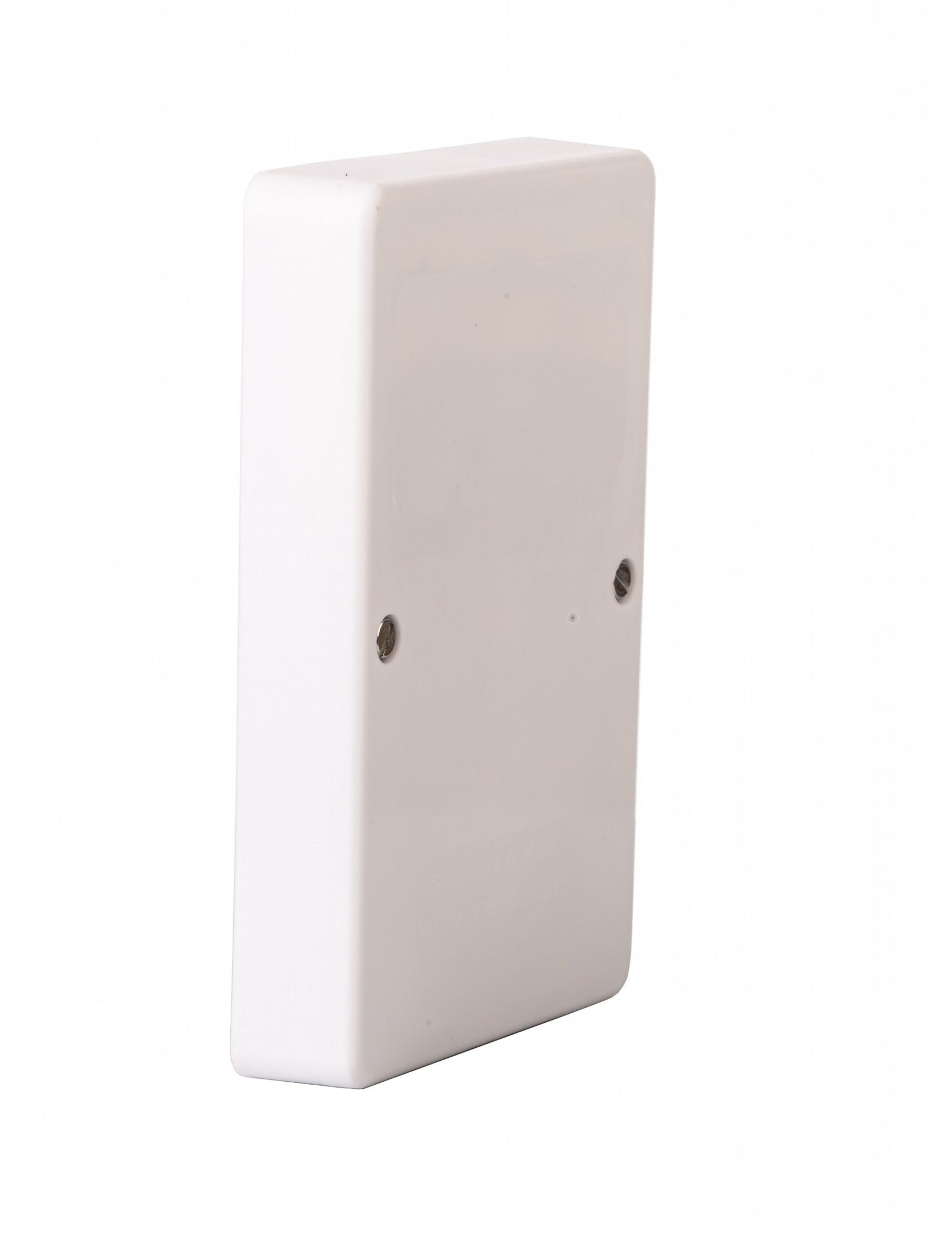
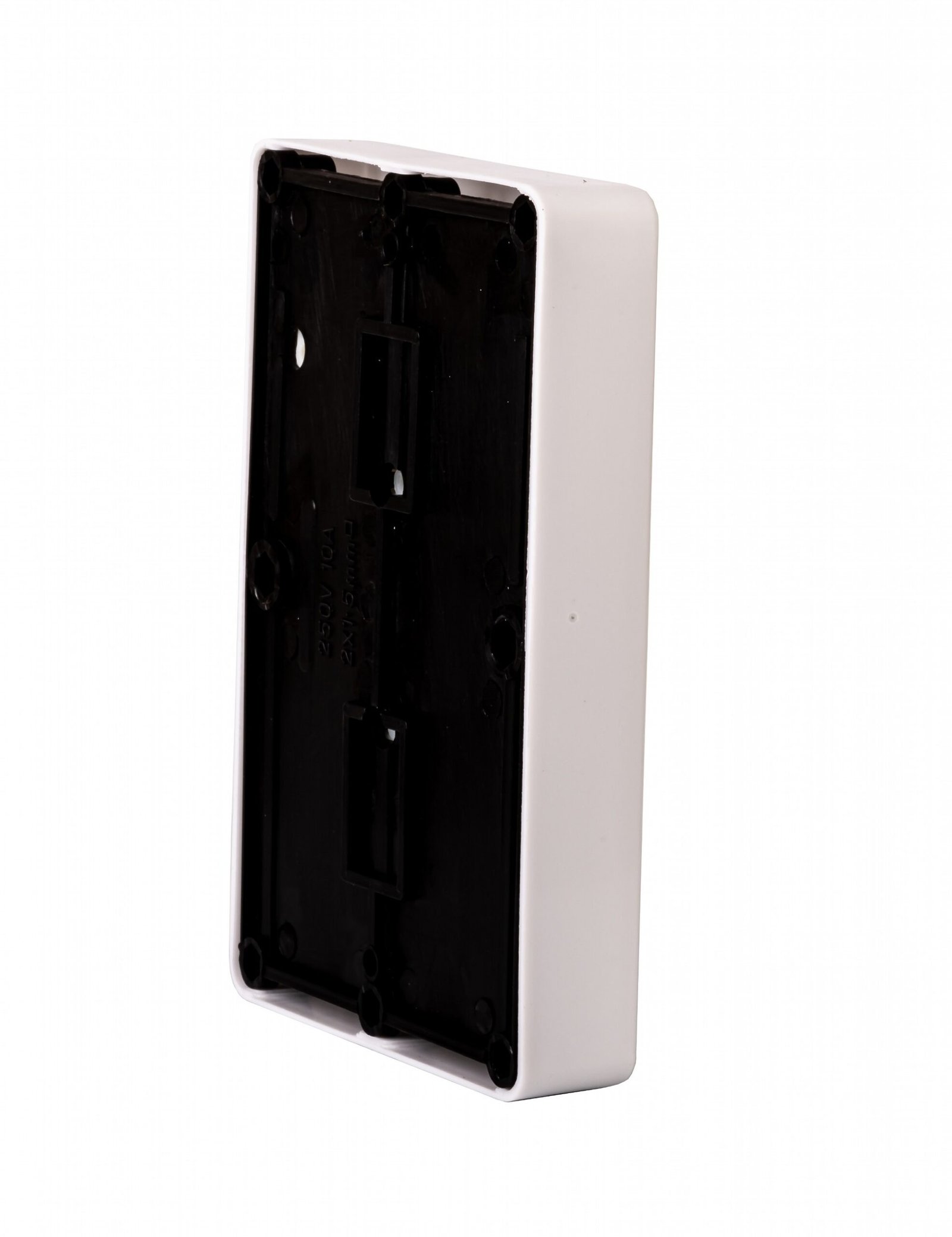
The unit is the Tower WIR12JB (product code WIR12JB). It offers 12 x 10A double screw terminals, accepts up to two 1.5 mm² conductors per terminal and is rated for a maximum working voltage of 250 V AC. Its small footprint (147 mm × 98 mm × 24 mm) and four‑way cable entry make it suitable for mounting inside cupboards, near boilers or inside small control panels where space is limited.
Key specifications
- 12 x 10 A double screw terminals
- Terminal capacity: 2 × 1.5 mm²
- Maximum working voltage: 250 V AC
- Dimensions: 147 mm (H) × 98 mm (W) × 24 mm (D)
- 4‑way cable entry and supplied cable restraints
- Maximum ambient temperature (manufacturer): 55°C
- Complies with BS6220:1983 (as stated by the manufacturer)
Where this box is useful
The WIR12JB is aimed at installers who need a low‑cost, neat termination point for the multiple low‑voltage control cores commonly found on central‑heating systems — for example the outputs from a programmer or room thermostat and the connections to motorised zone valves and circulating pumps. Because it groups many connections in one place, it speeds commissioning and makes later fault‑finding simpler: all the control conductors are laid out and accessible rather than left spliced in separate cables.
Installation and compatibility
Physically the box is compact and intended for indoor use in dry locations: it has cable entries on four sides and is supplied with cable restraints to secure flex or multi‑core cable. Each terminal accepts up to two 1.5 mm² conductors, so it matches the common 2‑core and multi‑core flexes used for thermostat and small motor wiring. The 10 A per‑terminal rating reflects typical control loads (thermostat contacts, motorised valve coils, pump control circuits) rather than high current distribution.
It is not a switching device or fuse; it is purely for making and organising permanent or semi‑permanent connections. Use with Tower multi‑core flex or other appropriately rated multi‑core cables is exactly the scenario the product is designed for. Check conductor size and insulation ratings for the specific plant you are wiring — anything drawing significant current or requiring protective bonding should be handled with the correct sized conductors and protective devices.
Practical advantages and limitations
- Advantages: very low cost, compact footprint, clearly laid‑out terminals, supplied cable restraints and four cable entry points make for tidy installations.
- Limitations: it provides no switching, isolation, overcurrent protection or environmental protection beyond a basic indoor enclosure; the terminal capacity (2×1.5 mm²) limits its use to light control wiring rather than power distribution.
Installers should plan cable routing so that the number of conductors into each terminal does not exceed the stated capacity and secure all incoming cables with the supplied restraints. For external locations, damp environments or where an IP (ingress protection) rating is required, choose an enclosure specifically rated for those conditions: the WIR12JB is intended for internal control‑panel use.
What to check before you buy
Confirm the expected conductor sizes and that the 10 A terminal rating suits the loads on each circuit of your heating system. If you need pre‑wired links (as found on some larger wiring centres for S‑plan or Y‑plan systems) or built‑in fusing/isolators, this simple junction box will not provide them and you should select a different product. Also check mounting space — although compact, its 24 mm depth is shallow and it will need clearance for cable bends behind the cover.
Overall, the Tower WIR12JB is a straightforward, economical wiring centre for grouping control wiring in domestic heating installations. It won’t replace a full wiring centre with pre‑wired links or protective devices, but where a tidy, reliable termination point is required it performs the job with minimal fuss.