

Description
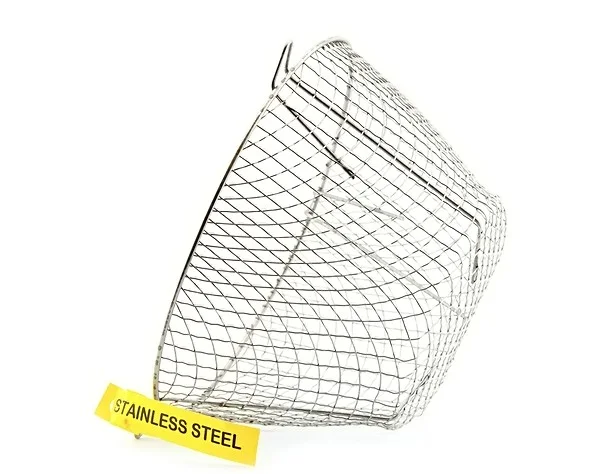
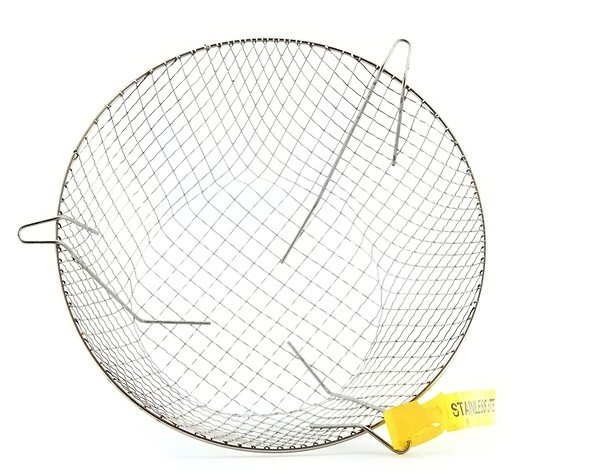
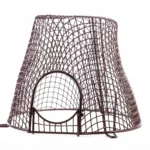
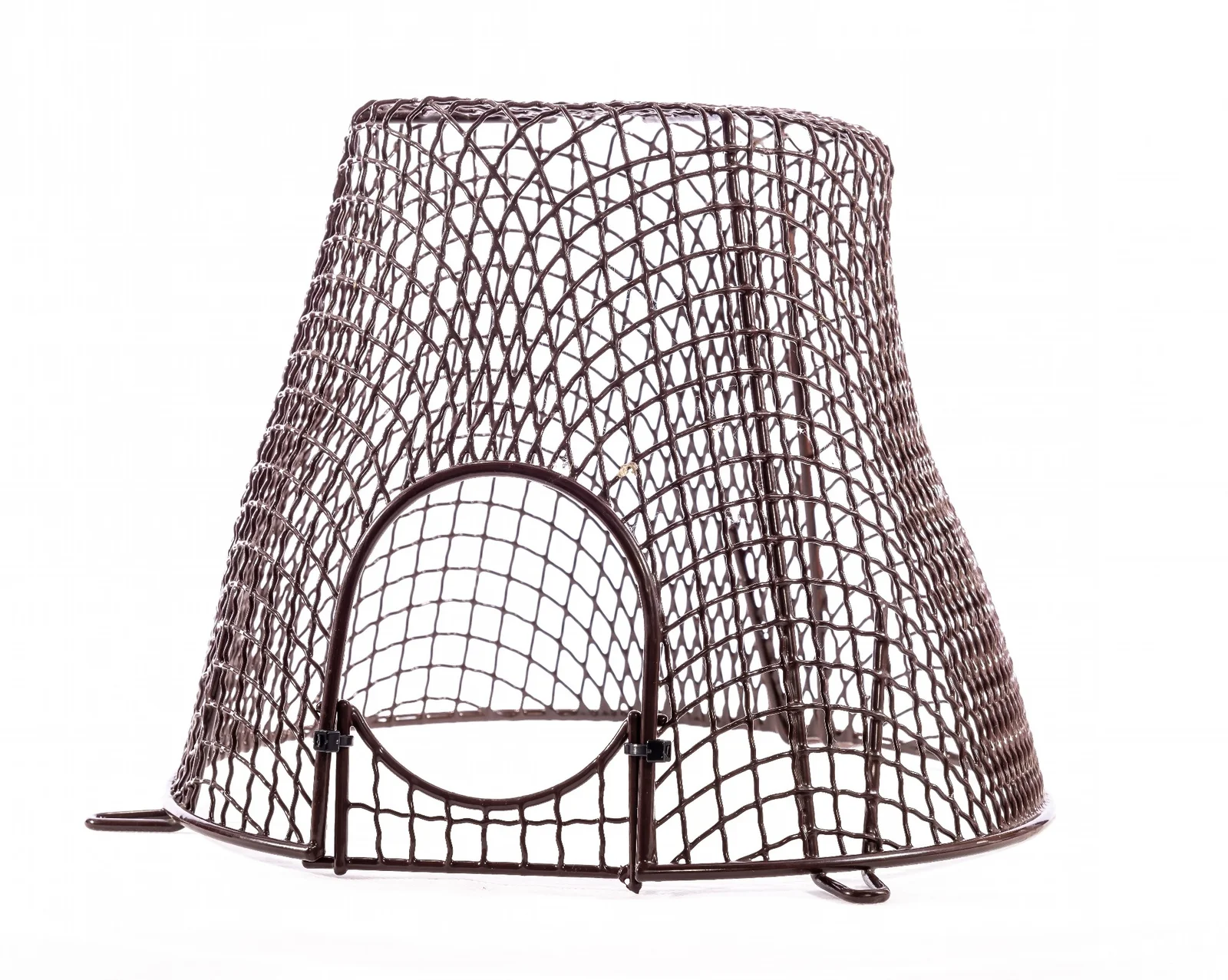
These are purpose-made protective guards for condensing-boiler flue terminals that are installed within reach of people — for example less than 2.1 metres above a balcony, flat roof or ground level. The Tower high‑level range (TFC Group / Tower Flue Components) provides a shaped cover with a cut‑out for plume‑management flues; the HLBRM suffix denotes the high‑level, brown plastic‑coated version fitted with a mesh infill. In plain terms, the guard stops passers‑by from touching a hot or sharp terminal and protects the terminal itself from accidental damage while still allowing the flue to vent normally.
They are relatively simple bits of kit but important where regulation requires a guard. The product range is made specifically for condensing boilers, so the finishes offered and the instructions reflect the need to avoid corrosion from acidic condensate that can drip around a terminal.
Key specifications
- Manufacturer: Tower (TFC Group)
- Typical SKUs / models: CGDK3HLBRM (11″ x 7″ x 6.5″), CGDK6HLBRM (11.5″ x 7″ x 9″)
- Variant shown: HLBRM — high‑level brown plastic‑coated guard with mesh infill
- Material/finishes available: Plastic coated (polyethylene), Zinc & passivate, JS500, Stainless steel
- Intended use: Where a terminal is fitted less than 2.1 m above an accessible area (BS5440‑1:2008 guidance)
- Pipe / terminal size referenced: 50 mm
How the guard works and where to use it
The guard is a formed cover that fits around the flue termination. High‑level guards in this range have a deliberately shaped cut‑out to take plume‑management extensions (so the plume flows as intended) and a mesh infill option to prevent fingers or debris reaching the terminal. Installed at the correct distance (see below), the guard simply provides a physical barrier while remaining sufficiently open to avoid disturbing the flue’s discharge path.
These guards are used when fire and building regulations (and the boiler manufacturer’s guidance) require protection of terminals that are reachable. Typical situations include ground‑level terminals close to a path, balcony installations, or flat roofs that occupants can access. For condensing boilers, consideration of material is important because acidic condensate can attack some metal finishes.
Materials and corrosion considerations
Tower offers several finishes. For condensing boiler installations the manufacturer specifically recommends plastic‑coated (polyethylene) or stainless steel guards because zinc‑plated or passivated finishes are vulnerable to corrosion from condensate. The HLBRM finish is a brown plastic coating with a mesh infill — a practical, low‑maintenance choice where the appearance matters or corrosion risk is higher. JS500 is a heavy‑duty finish option offered for more aggressive environments.
Choose stainless steel where maximum longevity and corrosion resistance are required (for example coastal locations), or plastic‑coated guards where corrosion resistance and a discreet finish are both priorities. Avoid ordering plain zinc/passivated guards for condensing boilers unless the installation environment and condensate routing remove corrosion risk.
Installation, compliance and installer notes
Installation is straightforward for a competent heating engineer but must follow the rules. The guard must be fitted so that no part of it is less than 50 mm from any part of the terminal — that clearance prevents the guard itself interfering with the flue discharge. The product range is intended to meet the guidance in BS5440‑1:2008 (section on terminal protection) and to be compatible with plume‑management kits where used.
Before ordering, confirm the terminal diameter and the required guard size: the CGDK3HLBRM and CGDK6HLBRM are different depths and diameters (measurements are published by the manufacturer). Also check whether the chosen finish is suitable for condensation exposure and whether fixings are provided or need to be sourced separately. If the terminal is part of a plume‑management extension, check that the guard’s cut‑out and dimensions match the plume kit’s arrangement.
Sizing and choosing between models
Pick the model whose diameter and depth suit the terminal and any plume‑management extension. The K3 and K6 sizes (CGDK3HLBRM and CGDK6HLBRM) are the common circular sizes in the range; CGDK3HLBRM is shallower, while CGDK6HLBRM is deeper and better where the terminal protrudes or where extra clearance and protection are required. Take the manufacturer’s stated dimensions and compare them with the terminal and wall/building detail before purchase.
- Advantages: purpose‑designed for condensing boilers, available in corrosion‑resistant finishes, straightforward to install, keeps installations BS5440‑1:2008‑compliant where terminals are accessible.
- Limitations: finish choice matters — zinc/passivate is not recommended for condensing boilers; final fit depends on accurate sizing and maintaining the minimum 50 mm clearance.
If you’re unsure which size to order, ask your installer to check the terminal’s outer diameter, how the flue is routed, and whether a plume‑management kit is fitted. The Tower range is widely stocked by merchants and is often specified on trade lists, so matching parts are readily available for most domestic projects.