Tower TGDOF1644 Boiler Overflow Guard (16″) — Practical safety for external relief terminals
July 27, 2026Boiler pressure‑relief outlets are a necessary safety feature on sealed heating systems, but when they terminate close to ground level they pose a real burn risk if someone can touch the outlet during a discharge. The Tower TGDOF1644 is a simple welded wire mesh cage designed to surround that terminal, offering a visible, weather‑resistant barrier without interfering with the outlet itself. It’s an uncomplicated product, but the practical questions are about fit, compatibility and what it does — and does not — achieve. This review unpacks those points so you can judge whether this guard is the right safety accessory for your installation.
What this guard actually does
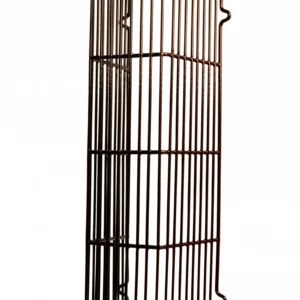
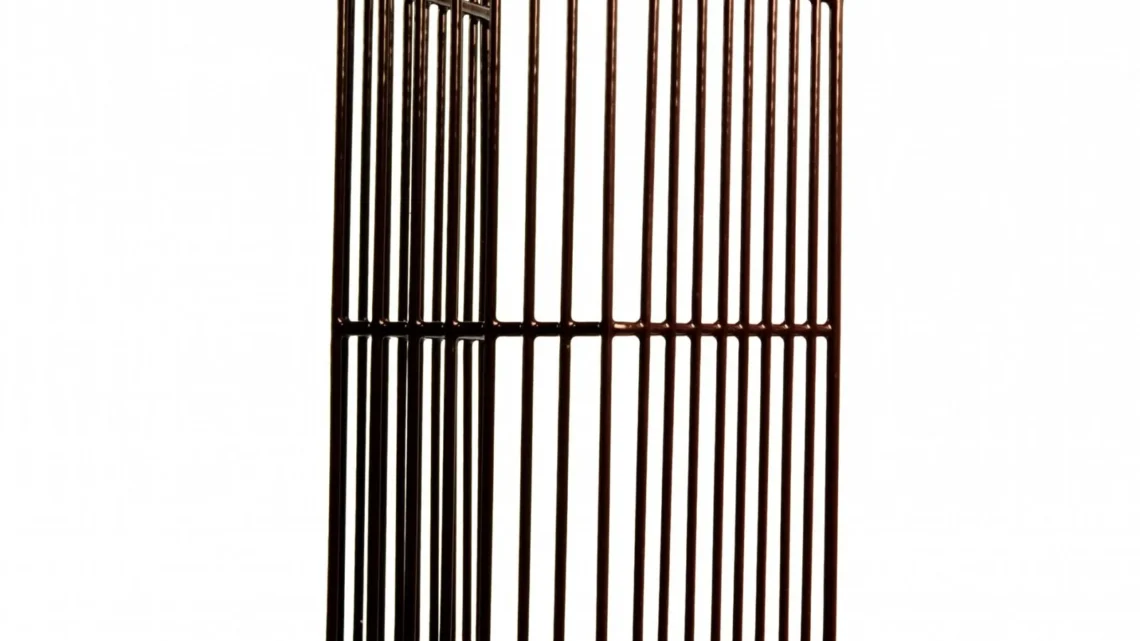
The TGDOF1644 is a purpose‑built metal cage sized for larger overflow terminals (406 x 102 x 102 mm). It is intended to sit around the final section of discharge pipework where it terminates outside. Because it’s made from welded mild steel mesh with a brown plastic coating, it provides a physical barrier to prevent accidental contact while leaving the discharge opening visible and unobstructed.
Two practical consequences follow from that design:
- The guard reduces the risk of burns or scalds from direct contact with the discharge nozzle, especially where the terminal is within reach of children or close to footpaths.
- It does not alter, contain, redirect or insulate the discharge. The relief valve’s flow path remains clear so the safety function of the boiler is not impeded when correctly fitted.
Who should consider this guard — and who shouldn’t
Suitable situations:
- Domestic properties where the boiler relief or overflow terminal terminates low down and within reach of children or pets.
- Homes where the outlet sits near walkways, gardens or play areas and a visible barrier would reduce accidental contact.
- Installations where a weather‑resistant, unobtrusive surround is preferred — the brown coating is intended to blend with common brickwork and offer basic corrosion resistance.
When to look elsewhere:
- If you need to change where the discharge goes, divert condensate, or provide a permanent drained route — this guard is not a substitute for additional pipework or a dedicated drainage solution.
- Where local building regulations or the boiler manufacturer require a specific route or inspection access that would be hindered by any cage — check guidance first and avoid fittings that obscure required visual checks.
- Situations where the terminal is remote or elevated and contact risk is negligible — a guard of this type may be unnecessary.
Installation and practical fitment considerations
Installation is intentionally straightforward because the product is passive and non‑mechanical. Typical steps are:
- Check the terminal location and confirm the external dimensions (406 x 102 x 102 mm) fit without covering the outlet.
- Position the cage around the discharge and determine suitable fixings to secure it to the wall or ground — the mesh itself is lightweight, so fixings and the fixing method matter more than the cage weight.
- Use corrosion‑resistant fixings appropriate to the substrate (masonry, render, etc.) so the guard remains secure over time.
Two practical points to pay attention to during fitment:
- Do not obstruct the discharge opening. The product must surround the outlet without sealing it; blocking the outlet could prevent the relief valve from operating correctly.
- Keep visibility of the outlet. Some boiler manufacturers and local regulations require visual inspection of the terminal; the guard should not prevent those checks.
If you are in any doubt about fitting for a particular boiler model, consult the boiler manufacturer’s documentation or an accredited installer. The guard is an accessory intended to supplement correct installation of the boiler system, not to compensate for poor siting or illegal modifications.
Compatibility and siting details
Compatibility is mostly a matter of size and proximity. The cage is 406 mm long with a 102 x 102 mm cross section; it’s sized for larger terminals but will not suit every installation. Before buying, measure from the terminal to any nearby wall or obstruction and confirm the guard can be placed so the discharge remains unobstructed.
Because it’s formed from welded mild steel with a low‑density plastic coating, the guard is intended for outdoor use and will resist weathering better than untreated steel. However, it’s not a stainless‑steel product and so long‑term exposure in very aggressive coastal or industrial environments may eventually lead to corrosion if the coating becomes damaged. Using appropriate fixings and occasional inspection are sensible precautions.
Performance, capability and what to expect in everyday use
Performance in this context is about the guard’s effectiveness as a barrier and its durability. Expect the following in normal ownership scenarios:
- Barrier effectiveness: The welded mesh physically prevents hands, toys or small animals from reaching the nozzle. That is the product’s primary safety contribution.
- Non‑interference with discharge: Because the mesh leaves the outlet exposed, the relief valve can operate and discharge freely; the cage won’t trap condensate or divert the flow under normal conditions.
- Durability: The brown plastic coating provides a degree of corrosion resistance and a low‑gloss finish that blends visually with typical brickwork. The guard’s quoted weight and mild steel construction indicate a light, easily handled product that nevertheless provides a robust barrier for domestic use.
Limitations to accept upfront:
- It will not reduce the temperature or force of a discharge — it is not an insulating or flow‑containing device. During a relief event hot water/steam will still be expelled and can cause pooling or surface damage if not otherwise drained.
- It is not a mechanical or regulatory fix. If an installation requires a specific termination arrangement under the boiler’s instructions or local building control, add this guard only if it doesn’t conflict with those requirements.
- Damage to the coating (e.g. from impact) can expose the steel beneath; routine inspection and touch‑up painting with a suitable corrosion‑inhibiting product will extend life in harsher exposures.
Practical ownership scenarios
Home with children or pets: This is the most obvious use case. Where a boiler discharge is at child height and in an accessible area, a simple mesh cage removes the temptation for small hands to touch a hot nozzle. It’s inexpensive and unobtrusive compared with rearranging pipework.
Conservative landlords or social housing: Keeping communal or external terminals safe and visually discreet is often a priority. The guard is easy to install, inspect and replace, making it a pragmatic option when combined with routine property checks.
Properties needing drainage changes: If your aim is to manage where the relief discharge runs (for example into a soakaway or dedicated drain), this guard is not the solution. It should be used alongside, or after, any necessary pipework modifications carried out by an installer.
Maintenance and long‑term considerations
Maintenance is minimal but sensible. Key points:
- Periodic inspection: Check the fixings and coating annually, or after any impact, to ensure the cage remains secure and intact.
- Repairing the coating: Small chips in the plastic coating can be touched up with a suitable outdoor metal paint or corrosion inhibitor to prevent rust starting at exposed areas.
- Fixing hardware: Use stainless or galvanised screws and appropriate wall plugs; avoiding basic steel fixings will reduce the risk of the guard loosening as fixings corrode.
From a longer‑term ownership perspective, the guard’s simplicity means low ongoing cost. There is no mechanical maintenance required beyond visual checks and occasional touch‑up of the finish. If you replace the boiler or reposition its termination, removal and refitting are straightforward because of the guard’s light weight.
Safety and regulatory context
The product is described as designed to meet the intent of UK Building Regulations guidance (Approved Document G3) on protecting discharge outlets. That guidance expects protective measures where children might come into contact with discharges, provided the outlet remains visible and unimpeded. In practice, this guard achieves that balance: a protective barrier that leaves the relief route open. Nevertheless, installers must ensure that adding a guard does not conflict with the boiler manufacturer’s installation instructions or with local building control expectations.
Strengths, compromises and realistic expectations
Strengths:
- Simple, effective physical barrier that reduces burn risk by stopping direct contact with the discharge nozzle.
- Low weight and modest dimensions make it easy to handle and install.
- Brown plastic coating blends with common external finishes and gives reasonable outdoor resistance.
Compromises and limitations:
- Not a solution for drainage, redirection or containment — it only prevents contact.
- Not immune to environmental degradation if the coating is damaged; coastal or highly polluted environments may require more robust materials.
- Requires correct siting and fixings; an improperly fitted guard could obstruct the outlet or give a false sense of security.
Value and buying considerations
Value is largely a matter of context. For a homeowner, landlord or installer needing a quick, low‑cost way to reduce the risk of accidental contact with an external relief terminal, the TGDOF1644 is a sensible, pragmatic product. The cost of such a guard is typically small compared with the inconvenience of relocating pipework or creating new drainage runs.
Before purchasing, measure your terminal and check clearance. Confirm that installing a guard won’t interfere with required inspection access. If you need a solution that also redirects or contains discharged water, budget for additional pipework and professional installation rather than relying on a cage alone.
Conclusion: who should buy it — and who should look for an alternative
The Tower TGDOF1644 is a focused safety accessory. Choose it if your priority is to prevent accidental contact with an external boiler discharge nozzle, especially where children, pets or passers‑by are at risk and where the terminal is low and easily accessible. Its welded mesh construction and brown coating make it a pragmatic, discreet choice for many domestic applications.
Do not choose it if you require drainage modification or need to change the discharge route, or if the terminal’s regulatory access must be obstructed. In those cases, discuss options with an accredited installer and consider pipework changes or a purpose‑built drainage solution.
Overall, the TGDOF1644 is a straightforward, low‑maintenance guard that performs the narrow task it was designed for: keeping hands away from an external pressure‑relief outlet while allowing the boiler’s safety valve to operate as intended. Fit it correctly, use appropriate fixings, and accept its limitations — and it will be a practical part of a safe heating installation.
Latest product offer
Ready to check Boiler Overflow Guard 16″?
Check the latest product page, price and offer details before buying.