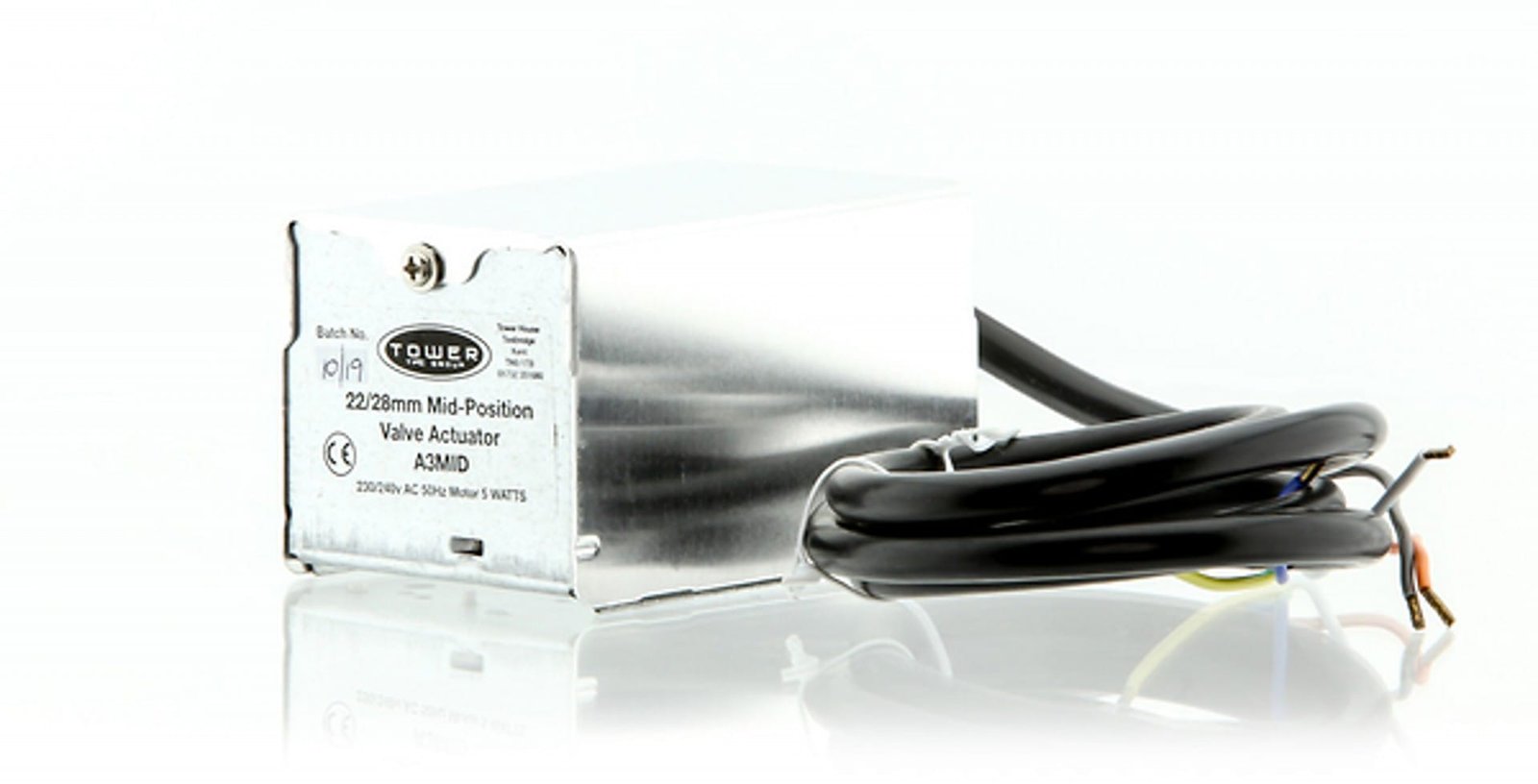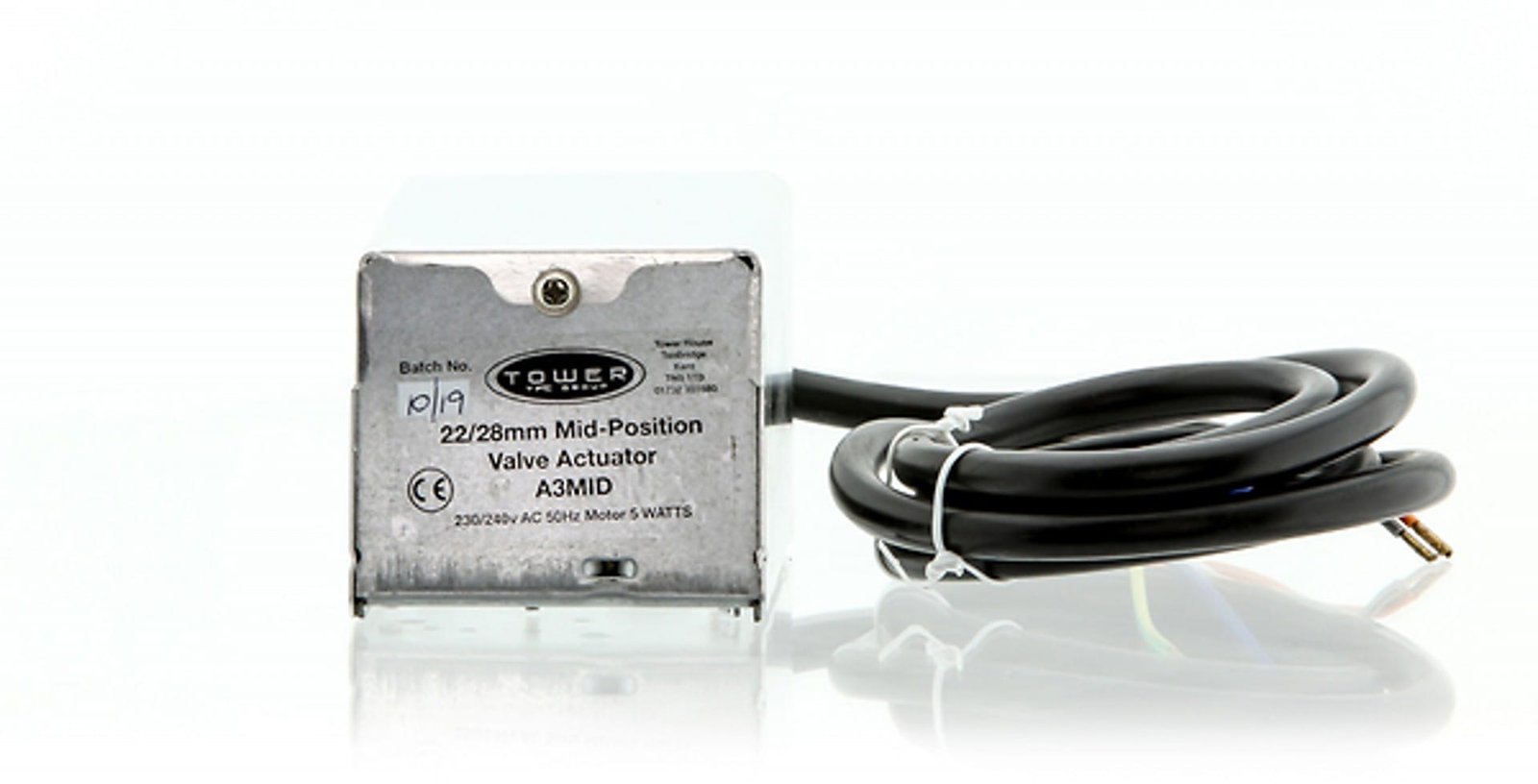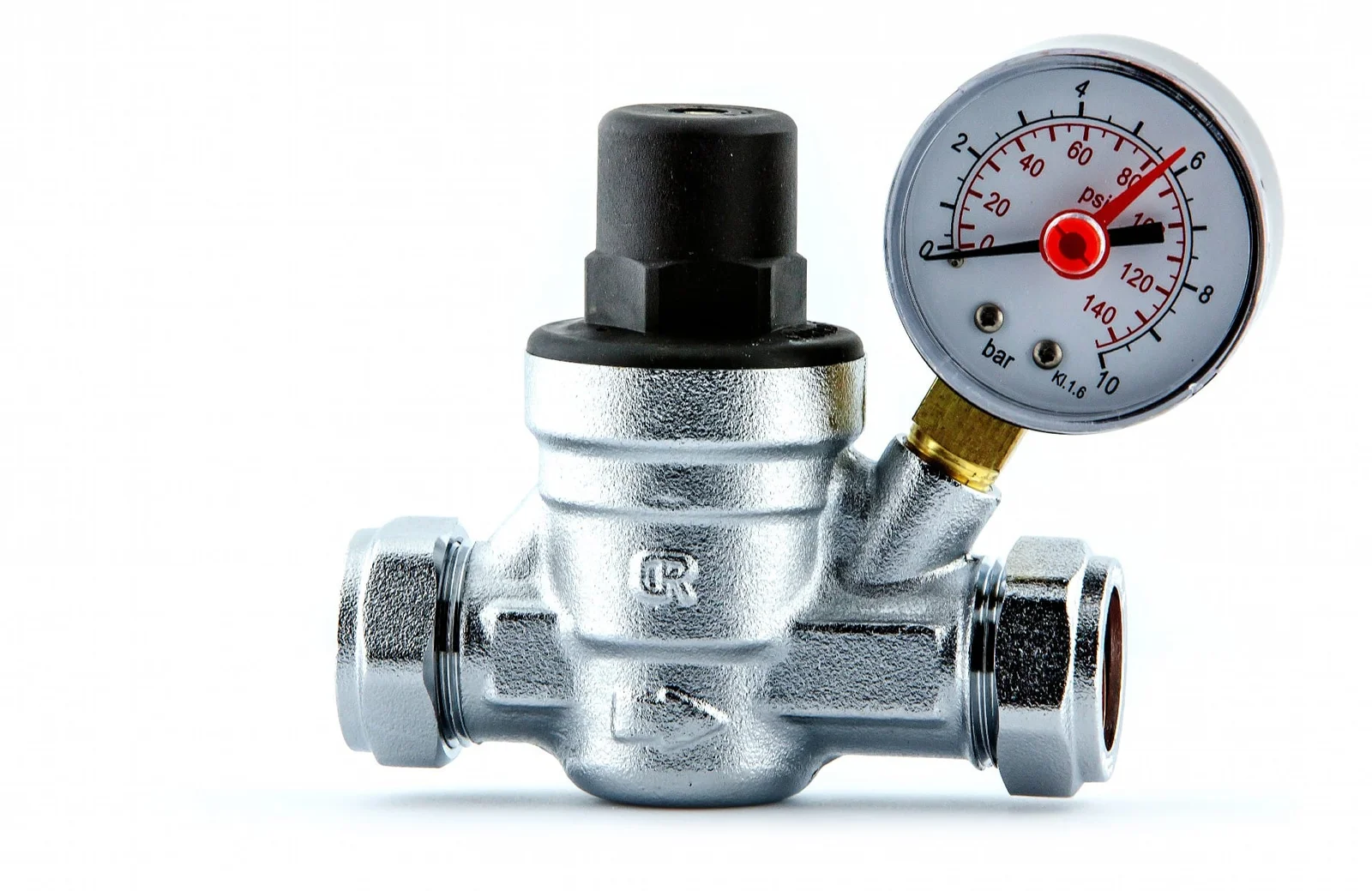
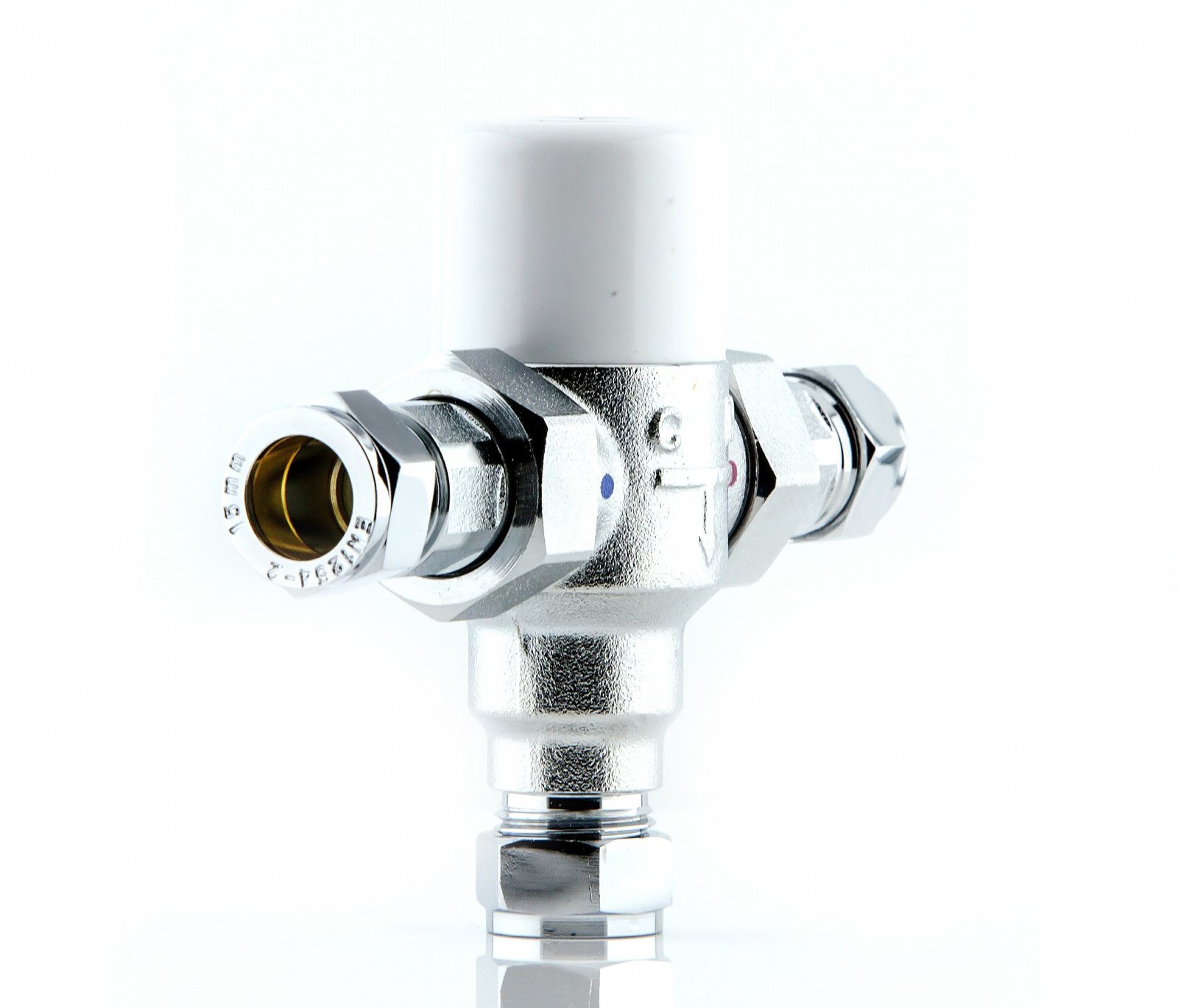
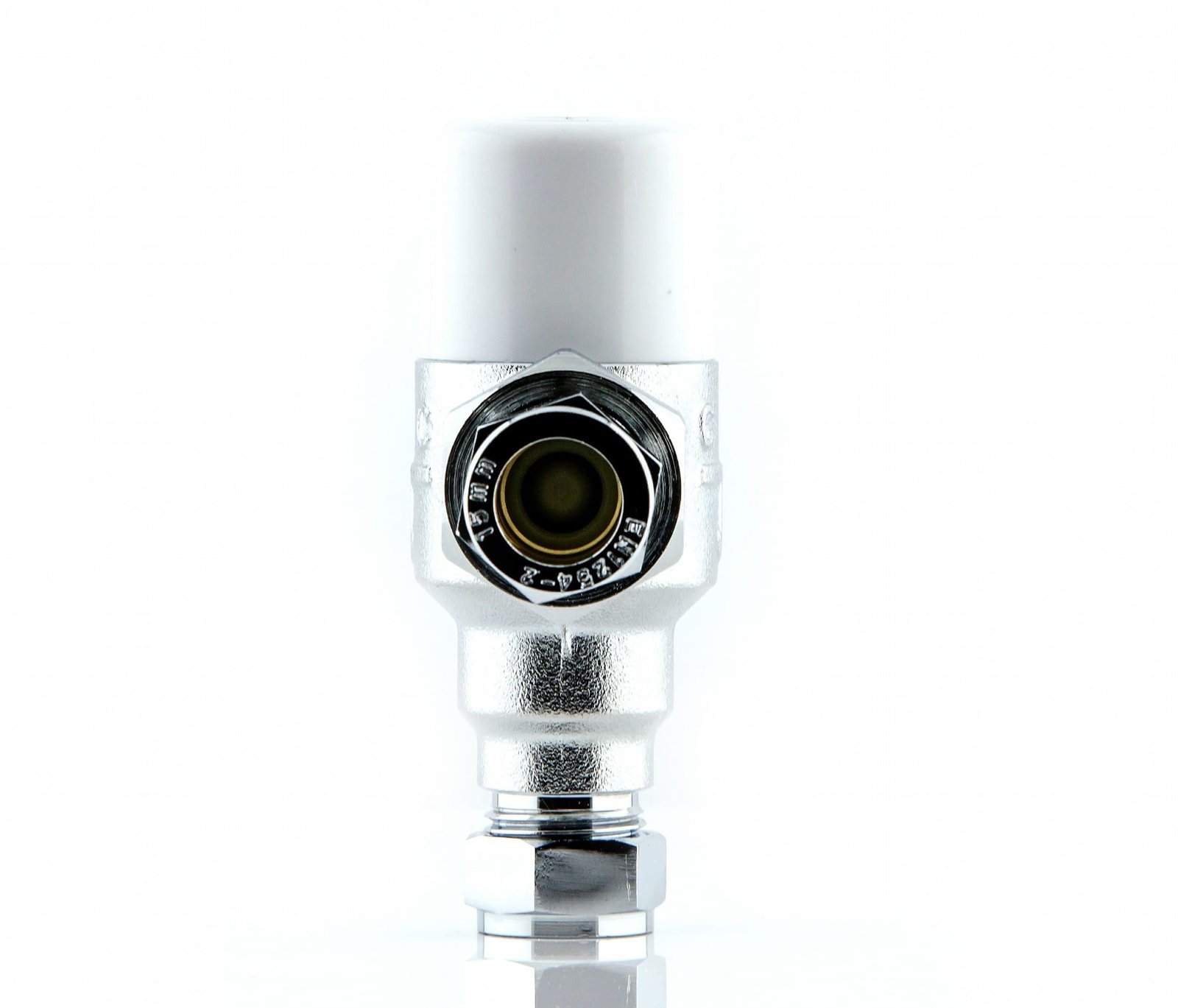
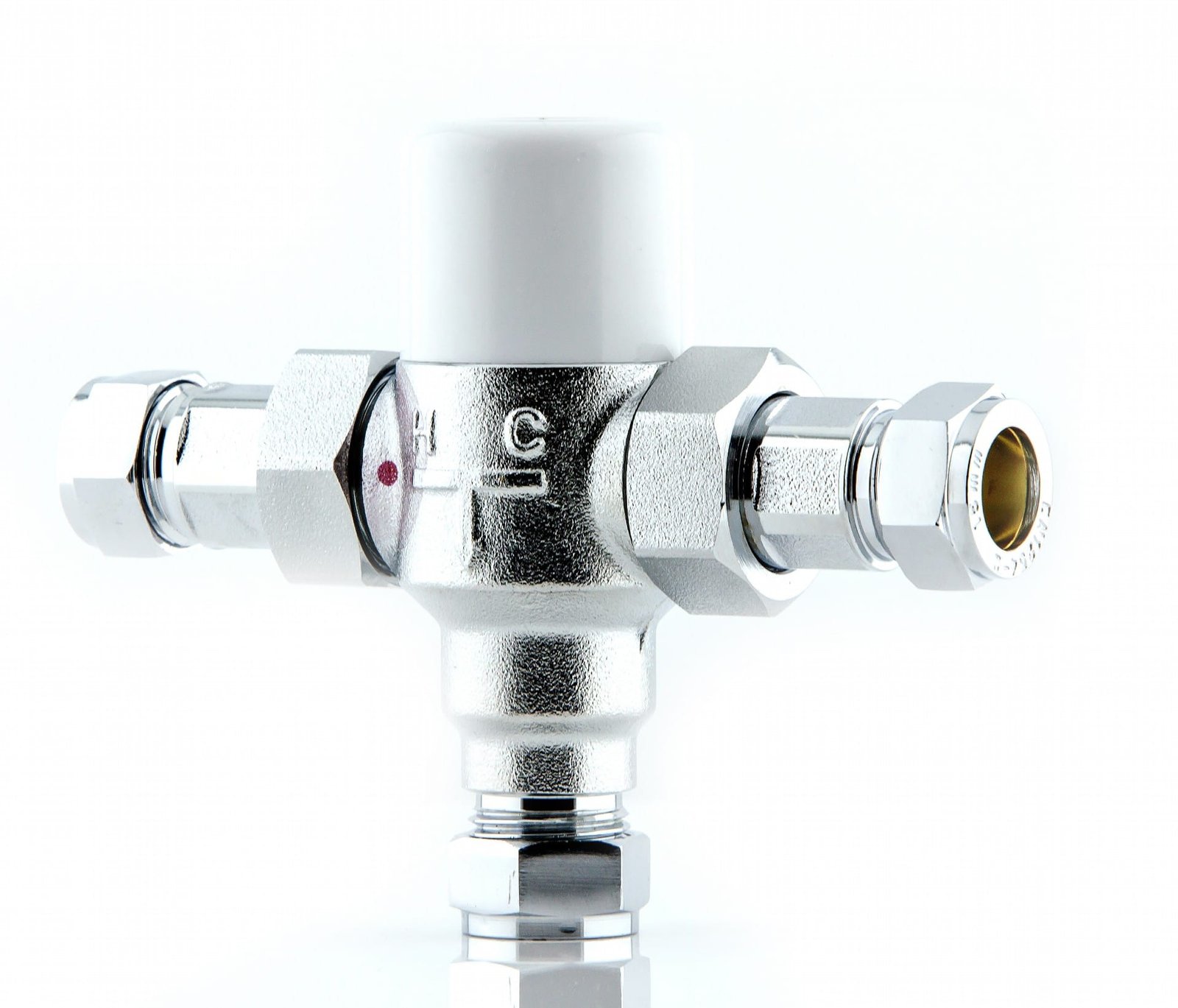
Description
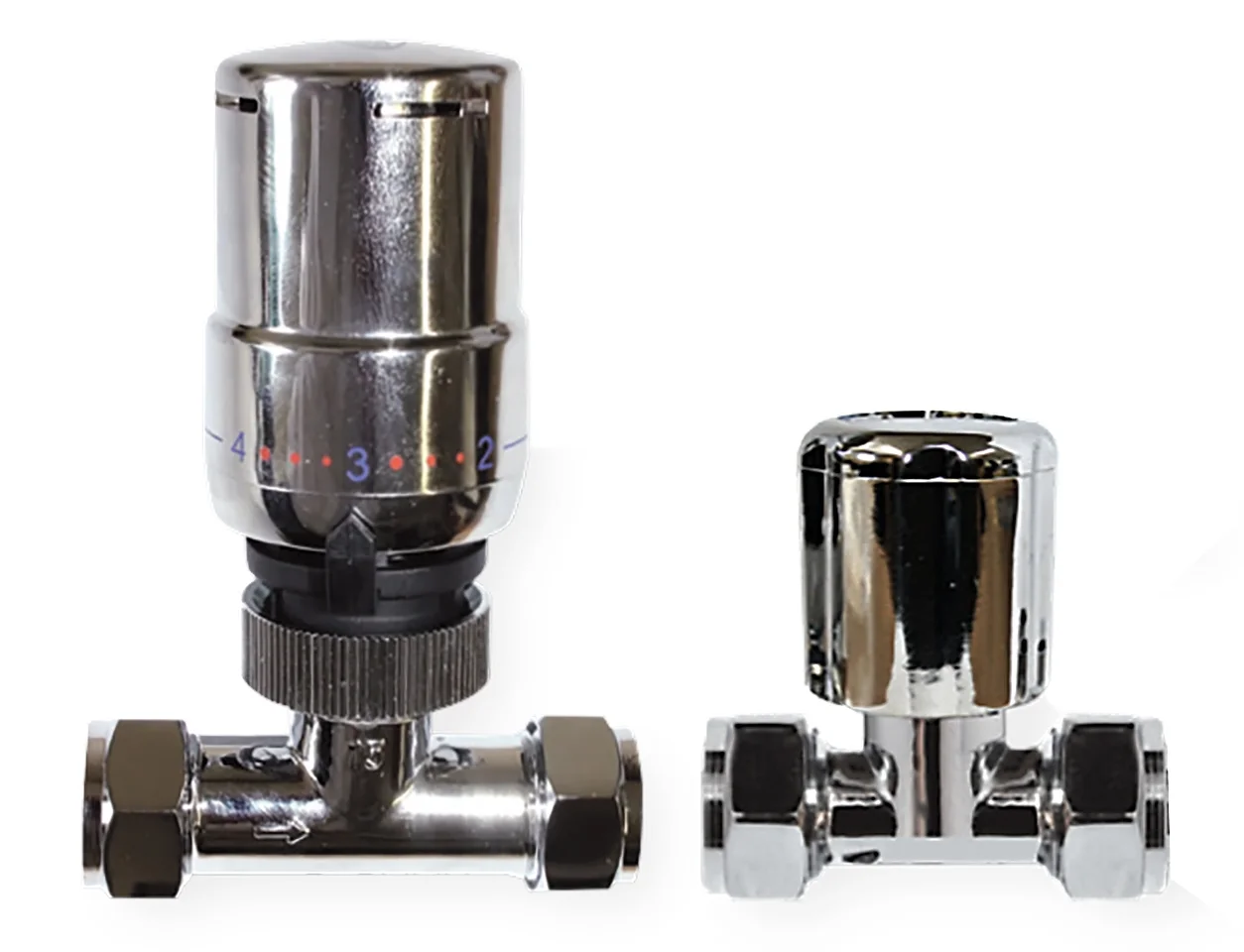
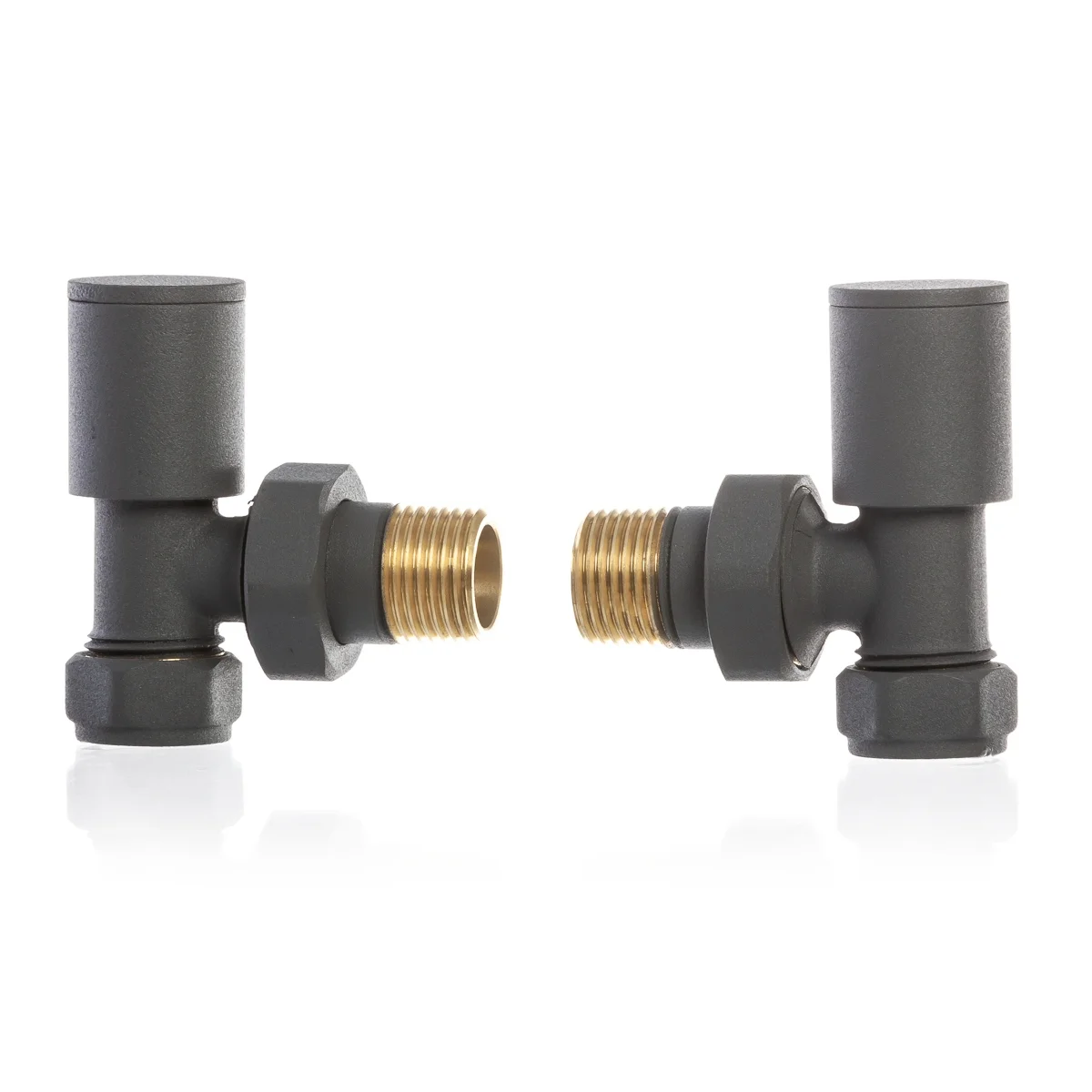
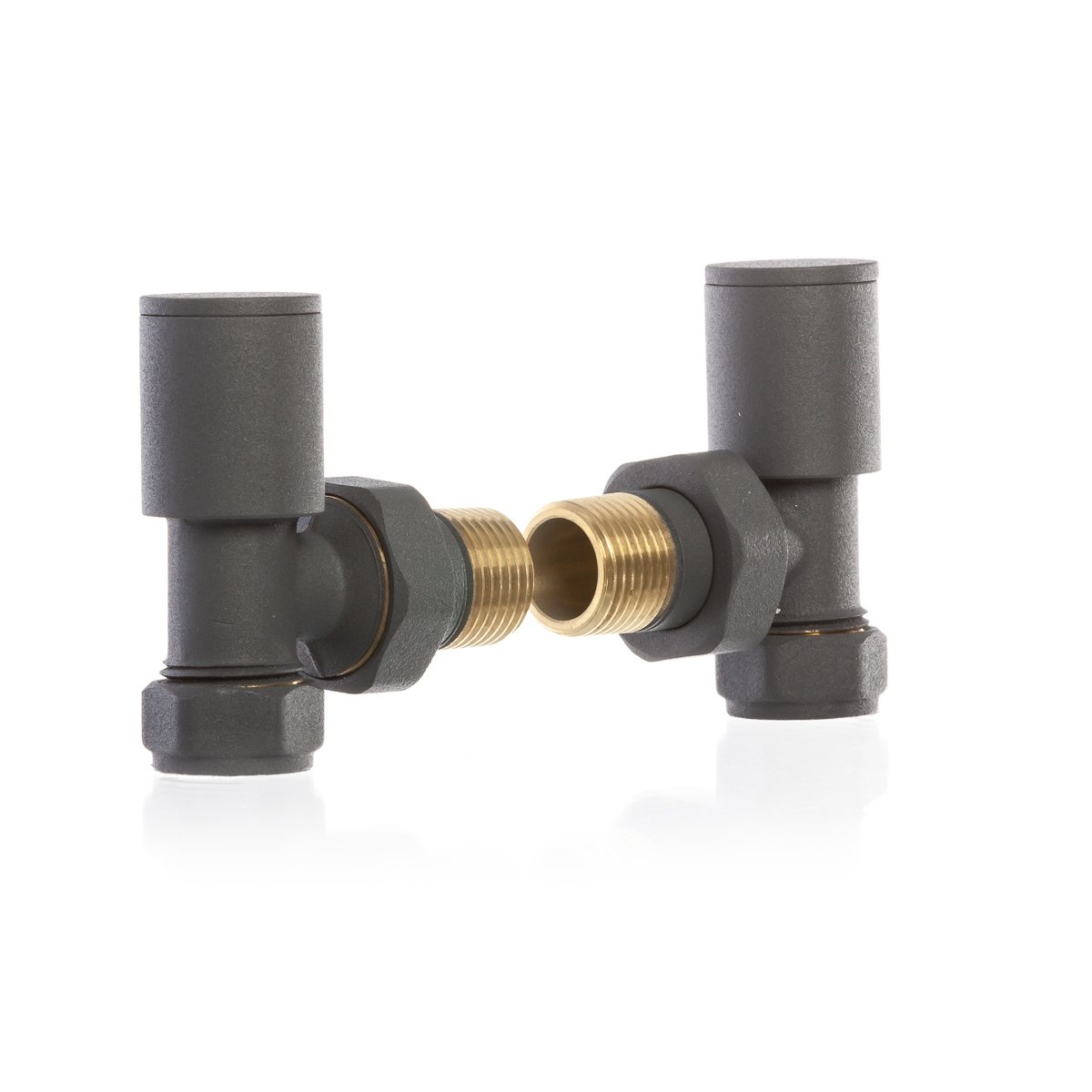
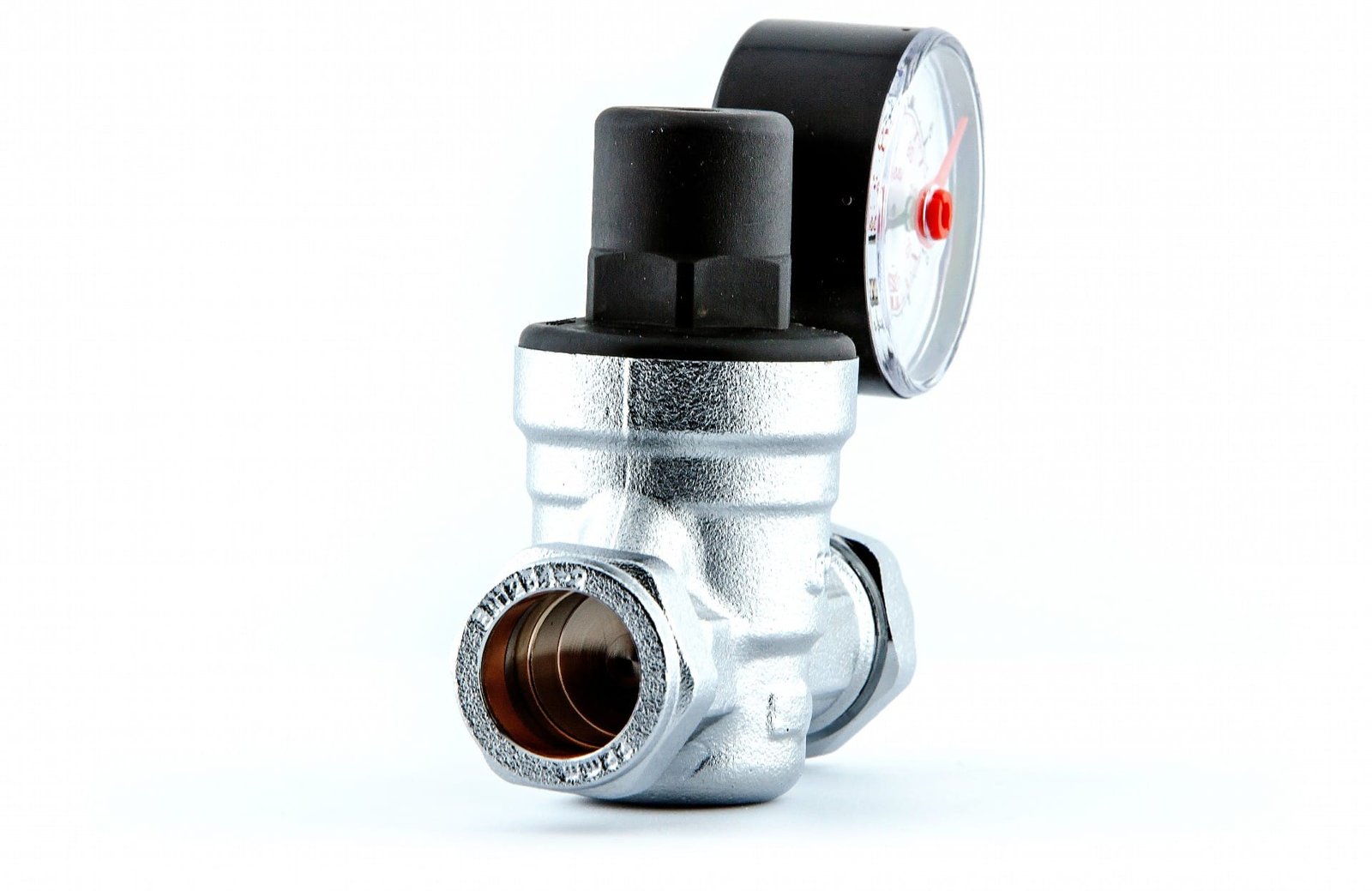
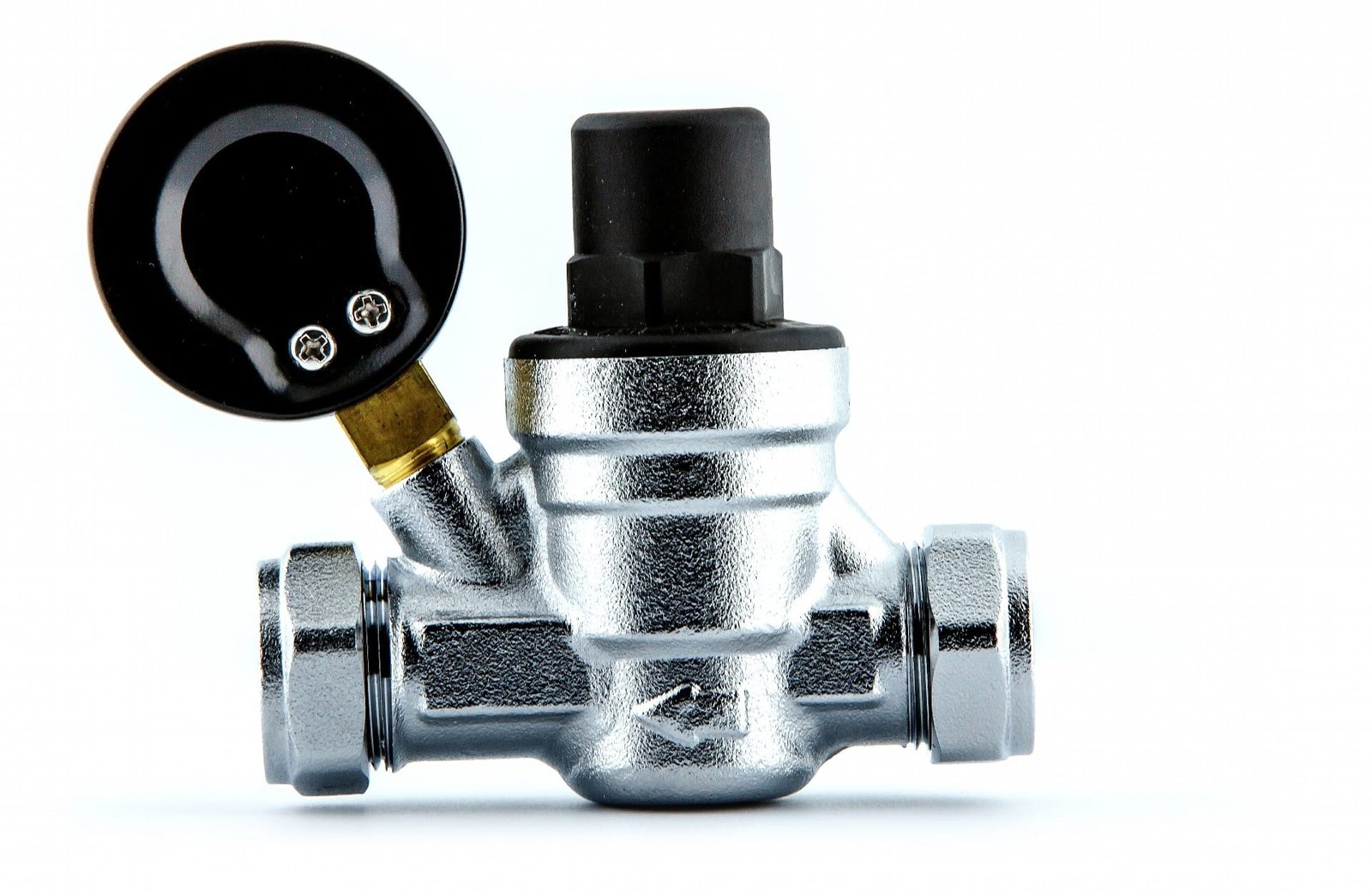
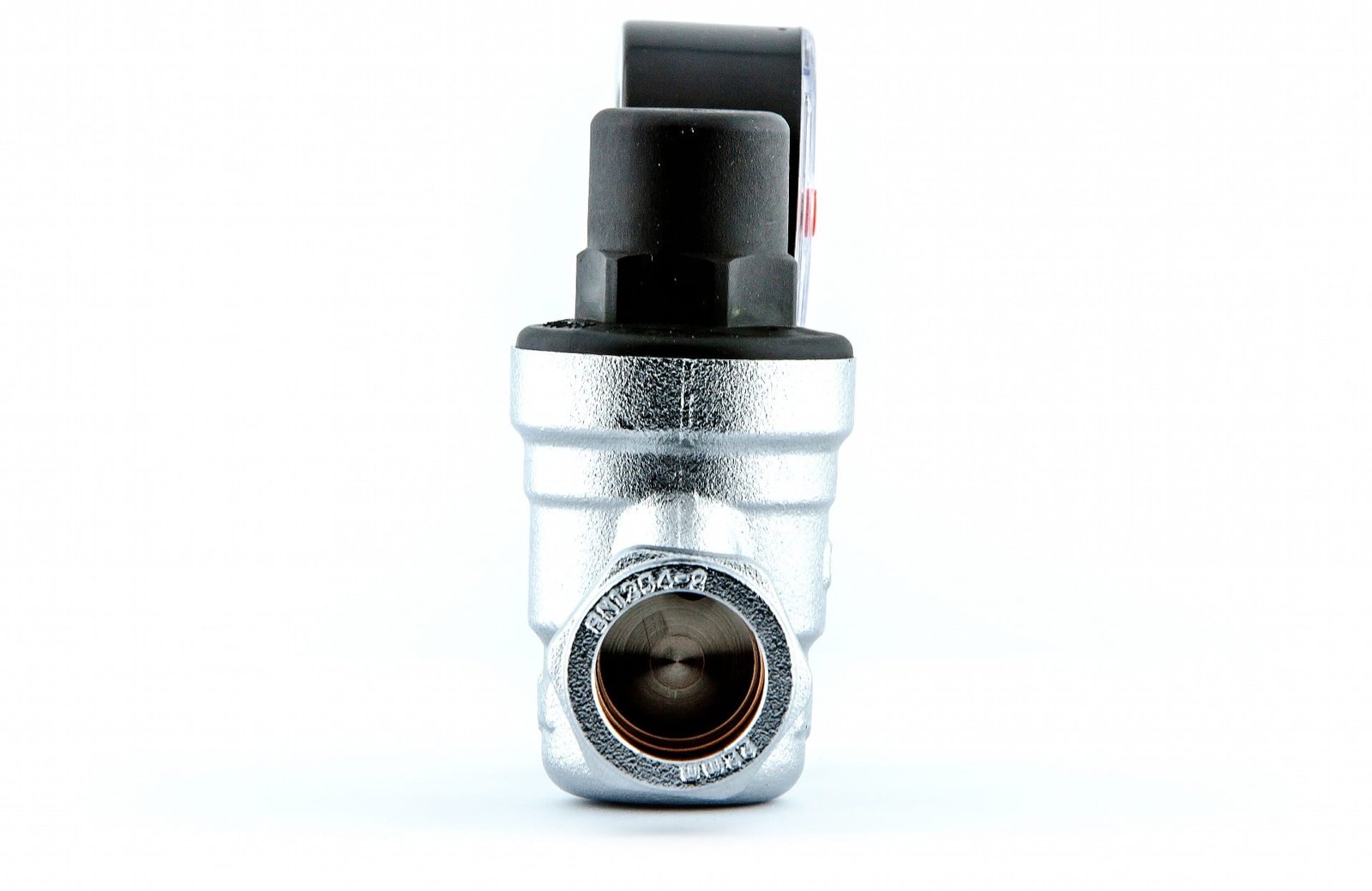
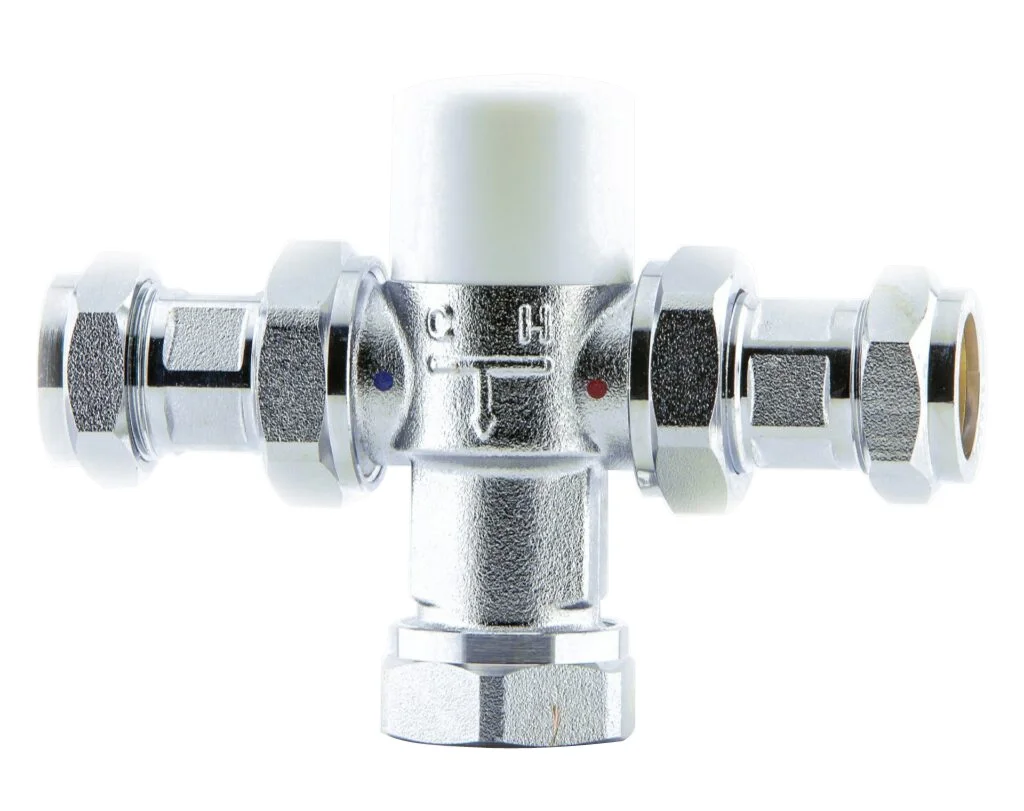
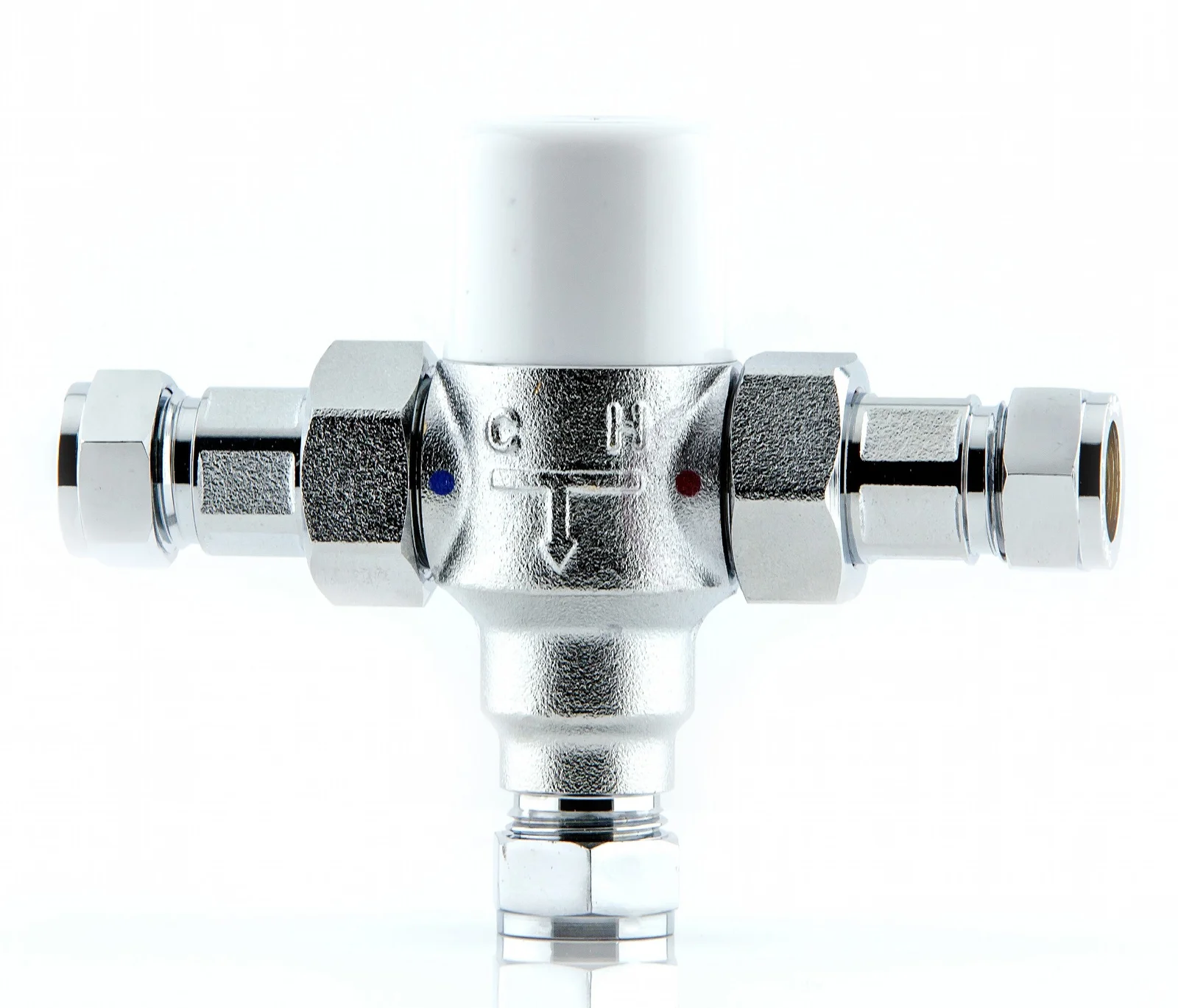
This is a compact thermostatic mixing valve intended to blend hot and cold supplies into a stable, pre‑set maximum outlet temperature for domestic heating and sanitary applications. It uses a temperature‑sensitive element to regulate the proportion of hot and cold water so the mixed outlet remains close to the user setting even when supply temperatures or pressures change. It’s a straightforward mechanical TMV offered in a 15 mm compression‑fitting size, finished chrome‑plated and supplied with inlet filters and non‑return valves.
It suits situations where you need simple, reliable temperature stabilisation under typical domestic supply conditions — for example under a basin, to temper water for a shower or for general warm‑water draw off where an inexpensive mixing valve is required rather than a fully certified TMV2/TMV3 device.
Key specifications
- 15 mm compression connections
- Outlet temp adjustable (tamper‑proof) between 35–50 °C
- Accuracy: maintains temperature within ±2 °C
- Hot supply operating range: 52–65 °C (max hot temp 85 °C)
- Cold supply operating range: 5–20 °C
- Minimum dynamic pressure: 0.2 bar (low pressure designation); maximum static pressure: 10 bar
- Maximum differential pressure ratio between hot and cold: 10:1
- Inlet strainers/filters: 600 µm (0.6 mm); single non‑return valves on inlets
- Kv (flow coefficient) for 15 mm: 1.5 m3/h
How it works and where it fits
The valve contains a thermostatic element that expands or contracts with temperature changes. When the mixed outlet deviates from the set point the valve modulates the hot and cold inlet proportion to correct it. If one supply fails or becomes excessively cold/hot beyond the valve’s operating window the internal safety mechanism will reduce or shut the mixed output to reduce scalding risk — provided the minimum differential conditions are met.
Because it is a temperature‑stabilised thermostatic valve rather than a certified TMV2 or TMV3 device, it is best used in general domestic applications where a stable outlet temperature is required but no specific TMV certification is mandated by the installation specification. The valve is available with designations for low‑pressure (LP) or high‑pressure (HP) applications and different application codes (for showers, washbasins, baths) are referenced in the manufacturer literature — the unit must be set and commissioned to the application required.
Installation and commissioning notes
Installation is conventional but must follow the supplied instructions. The manufacturer recommends fitting isolating valves to both supplies, flushing the pipework thoroughly before connection to remove debris, and fitting the supplied inlet filters. Temperature adjustment is by a screw under a cover cap; clockwise gives cooler water and anti‑clockwise warmer water, and the top setting can be made tamper‑resistant once set.
Commissioning and in‑service testing are important. The valve’s performance should be checked at the largest expected draw‑off and at a smaller draw‑off to confirm the mixed temperature and to record checks such as isolating a cold feed to observe the safety shut‑down. The manufacturer provides guidance on test intervals and fault checks — for example checking filters and non‑return valves if mixed temperature drifts by more than about 1 K.
Performance, advantages and limitations
Advantageously, this 15 mm model is compact, chrome‑finished and economical. It offers a useful adjustable temperature range and reasonable accuracy (±2 °C), and the inlet strainers plus non‑return valves reduce routine service issues caused by debris or backflow. The Kv value (1.5 m3/h for 15 mm) indicates it will support typical domestic flows but it is not a high‑capacity commercial valve, so it’s best matched to single‑outlet or moderate draw‑off situations.
Important limitations are that it is not formally TMV2/TMV3 certified — the manufacturer’s documentation makes this clear. For healthcare, care homes, certain social housing contracts or any installation that specifies TMV2/TMV3 certification for regulatory or compliance reasons you should choose a valve with the required certification. Also, the valve has defined supply temperature and pressure windows; operation outside those ranges requires an engineer’s risk assessment and potentially a different product designation (HP/LP) or size.
Maintenance and checklist
- Flush supplies before fitting and fit the provided filters; inspect filters during routine checks.
- Install isolating valves so the valve can be serviced without draining larger parts of the system.
- Record commissioning temperatures and repeat in‑service checks at recommended intervals; replace worn O‑rings and service as required.
- Observe manufacturer limits for supply temperatures, pressures and minimum differential to ensure safe operation.
This TMV is a practical, affordable choice for tempering domestic hot water where a reliable mechanical thermostatic control is needed and formal TMV2/TMV3 certification is not a requirement. It gives clear, tamper‑resistant adjustment, built‑in inlet protection and a compact footprint — but specify a certified TMV if the jobroom or building owner requires an approved device for statutory or clinical environments.