
Motorised Valves
Browse practical Top 5 comparison guides for Motorised Valves, including ranked options, key features, pros and cons, buying advice and review links.
View reviewsBrowse practical Top 5 comparison guides for Central Heating Products, including ranked options, key features, pros and cons, buying advice and review links.
Browse practical Top 5 comparison guides for Motorised Valves, including ranked options, key features, pros and cons, buying advice and review links.
View reviewsBrowse practical Top 5 comparison guides for Pumps, including ranked options, key features, pros and cons, buying advice and review links.
View reviewsBrowse practical Top 5 comparison guides for Terminal Guards, including ranked options, key features, pros and cons, buying advice and review links.
View reviews
A straightforward welded wire‑mesh cage finished in brown plastic coating, the Tower TGDOF1644 keeps hands and toys clear of an external boiler pressure‑relief or overflow terminal. This review explains what it can — and cannot — do, where it works best, installation considerations and longer‑term ownership points to help you decide if it belongs on your property.
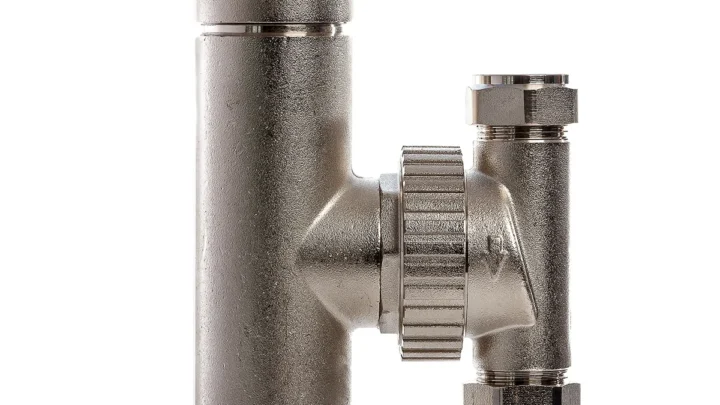
A compact brass unit that passively removes entrained air and traps non‑magnetic debris from 22mm domestic heating pipework. The AIREL suits installers and homeowners who want quieter running and reduced routine maintenance, but it should be used alongside magnetic filtration and correct water treatment for full protection.
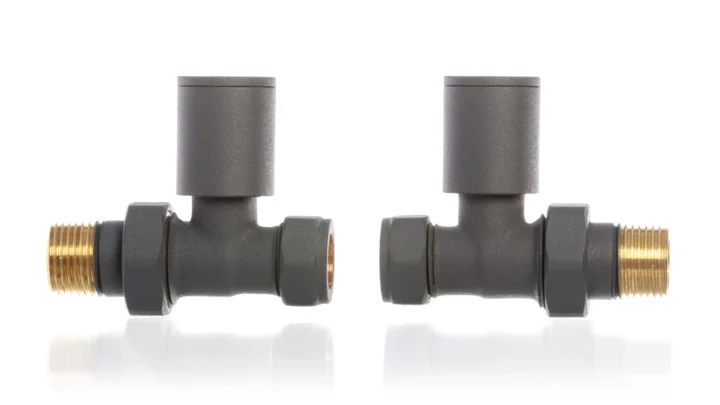
A technically informed look at the MRVMST-A anthracite straight radiator valves: what they do well, where they fall short and who should consider them for a replacement or new-radiator project.
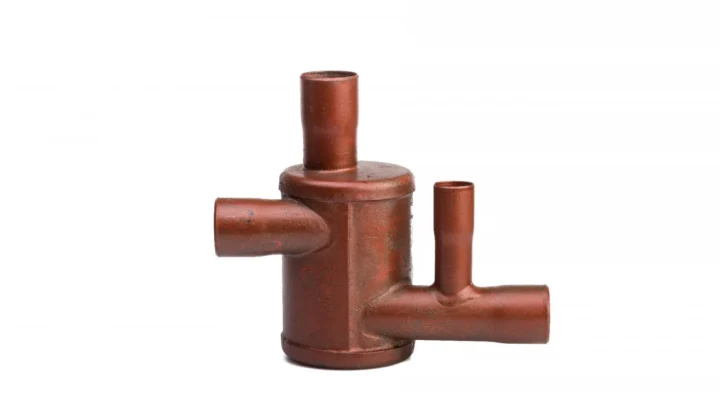
A compact, passive air separator intended for 22mm copper open‑vented central‑heating systems. This review explains where it fits, who will benefit, installation and compatibility realities, and the practical trade‑offs to consider before buying.
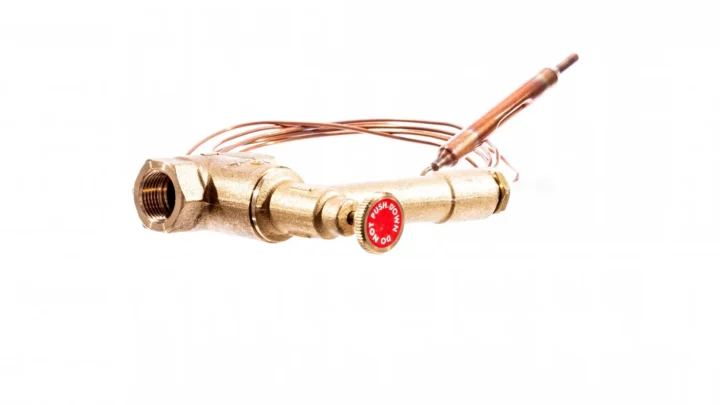
A mechanically operated fire valve for domestic oil (and some LPG) systems that shuts the fuel feed when a nearby sensor reaches 90°C. Practical, low‑energy protection for oil-fired burners, but not a service isolation or an automatic reset device—know the siting, compatibility and maintenance rules before you fit one.
A simple mechanical fire valve that shuts off fuel when a 66°C capillary sensor detects dangerous heat. Good as a passive, non‑electrical safety layer for domestic oil or LPG boilers, but not a substitute for service isolators, monitored ESDs or regulatory requirements.